


After the success of the first workshop, Foundation Second, in cooperation with the Cantonal public institution Home for children without parental care Sarajevo, organized a second professional psychoeducation session. This time, the focus was on separation as an emotional and developmental process through which a child learns to function apart from their primary attachment figures. The training explored what caregivers can do to provide children in institutional care with a sense of safety, stability, and understanding—especially in moments when separation triggers emotional difficulties.
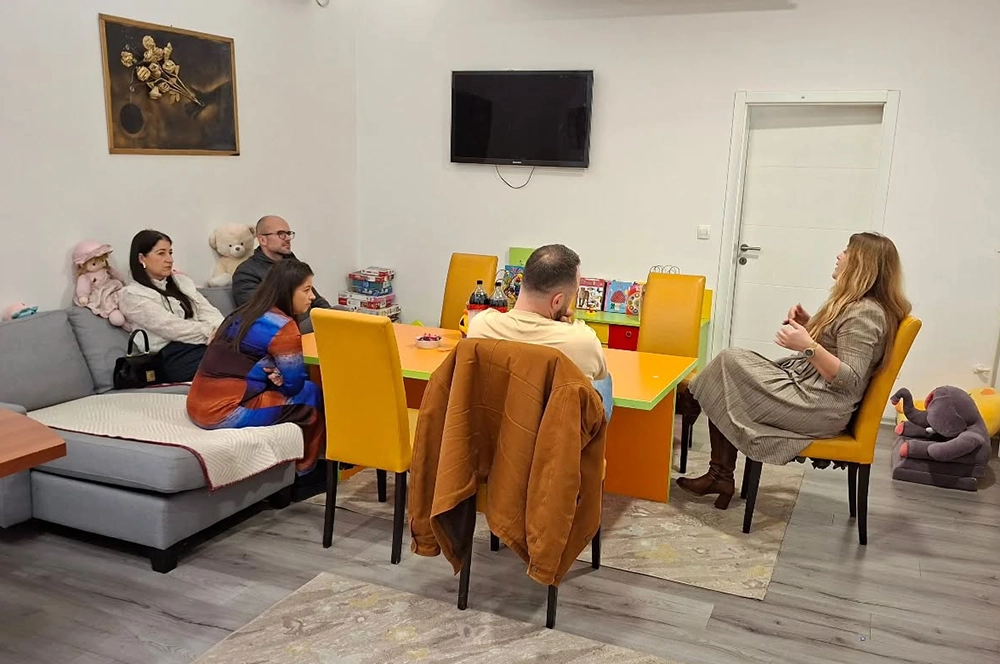
During the session, participants had the opportunity to deepen their understanding of children’s needs for safety, acceptance, structure, and emotional support. The discussion highlighted how a child’s behaviour is often closely connected to their developmental and emotional needs, and how important it is to recognize the signals children express through their reactions. Special emphasis was placed on the caregiver’s role as a “secure base”—a figure whose responses, presence, and emotional availability shape the child’s attachment and overall emotional well-being.
The workshop also opened space for reflection on how consistency, warmth, and predictability in daily interactions create the foundation for a healthy caregiver–child relationship. Participants gained insight into the common mistakes that occur in practice, how to recognize them, and how to avoid them in order to provide more stable and supportive care for the child.
Once again, the training was led by Adisa Vrabac, an integrative child and adolescent psychotherapist under supervision, who used a practical and professional approach to strengthen caregivers’ understanding of the emotional processes experienced by children who have gone through separation or are living in institutional settings. Through real-life examples and clear guidance, she helped caregivers better understand how their responses directly shape the child’s sense of safety and trust.
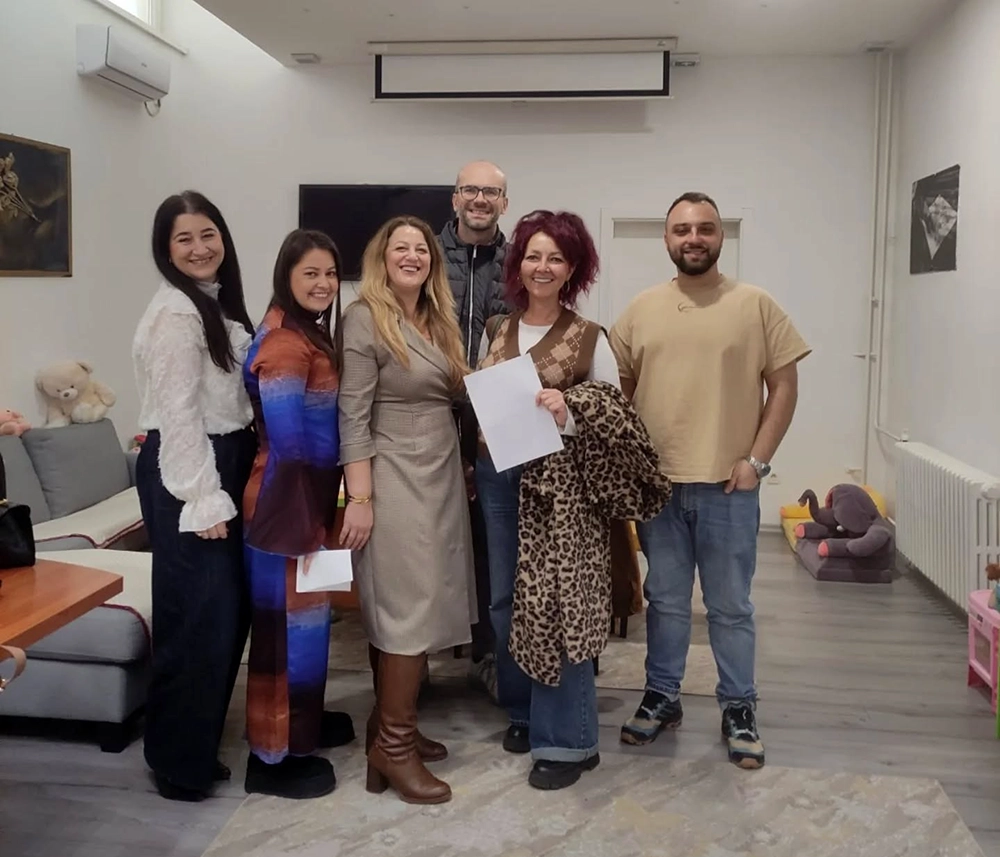
Throughout the workshop, participants discussed children’s behaviour, the role of attachment, and the importance of building a secure caregiver–child relationship. The session provided space for exchange of experiences, reflection, and questions arising from everyday work—further contributing to a sense of connection, support, and professional growth.
This second training once again confirmed how valuable such workshops are for improving the quality of care for children without parental support. They offer opportunities for professional development, emotional strengthening, and a deeper understanding of the challenges caregivers face—challenges that, when addressed, directly influence the well-being of the children in their care.
Foundation Second will continue to provide ongoing professional support to caregivers through additional trainings and workshops, with the goal of strengthening professional competencies and creating a safe, warm, and stable environment for every child.