


In Ledići, they experienced for the first time what true togetherness means. Life in a community – the kind they have always longed for. To grow old together, under one roof, as a family, rather than in an institution that cares for people with developmental disabilities.
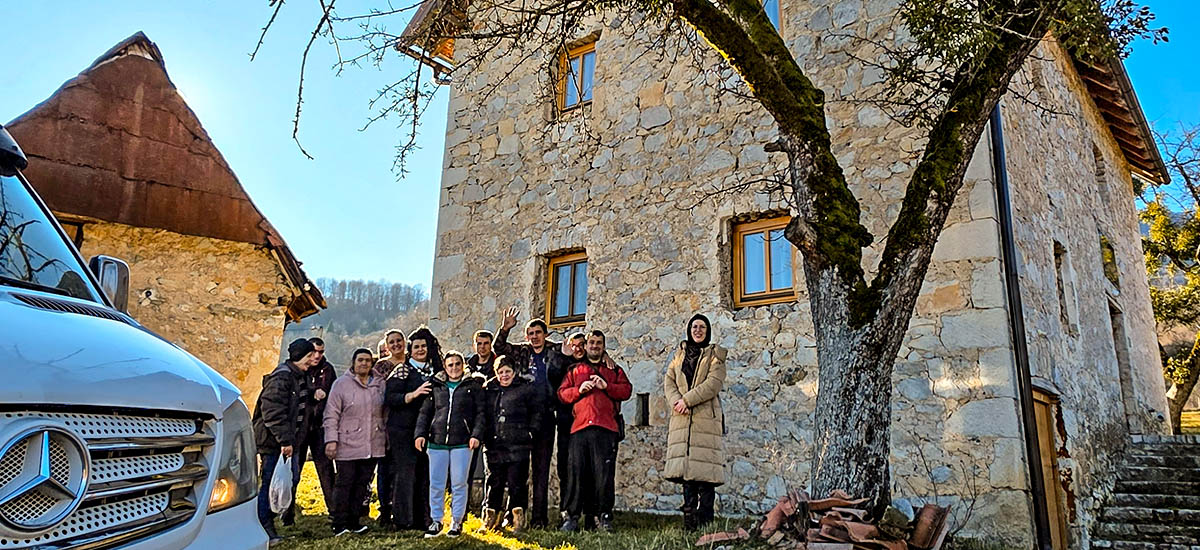
Members of the Association of persons with disabilities of the Bosnian-Podrinje Canton spent three days in the Small family home in Ledići – a house built back in 1922. This house was granted for use to the Home for Children without parental care Sarajevo by the proBITRA Foundation for a period of 99 years. With the support of donors, Foundation Second insulated and partially furnished the house, and today a successful non-institutional care programme is being implemented there, thanks to the support of the Federal ministry of labour and social policy.
“Ledići are not just a house and not just a programme. They are a space where people receive what they miss the most – a sense of safety, belonging and togetherness. Our wish is for these stays to become regular and accessible to everyone who needs a break from institutional life and everyday worries,” said Belma Mujezinović, Director of Foundation Second.
It is precisely this idea – that the house should be alive, open and full of people – that makes Ledići special. A house that was once quiet has now become a place of meeting, rest and reconnection. Thanks to the management of the Home for children without parental care Sarajevo, which recognised its potential, Ledići have gained a new purpose and become a home to many, at least for a few days.
And once such a place is experienced, returning feels natural.
A house embraced by nature
Members of the Association of persons with disabilities of the Bosnian-Podrinje Canton first came to Ledići in October this year. They liked it so much that they immediately wished to return. This time, they arrived from the village of Kaoštice in Republika Srpska, where they live as returnees, as well as from Živojevići, Sadba, Bogušići, Osanica and Vitkovići near Goražde. The house embraced by nature once again opened its doors to them, and Ledići welcomed them the way only they can – quietly, sincerely and with full hearts.
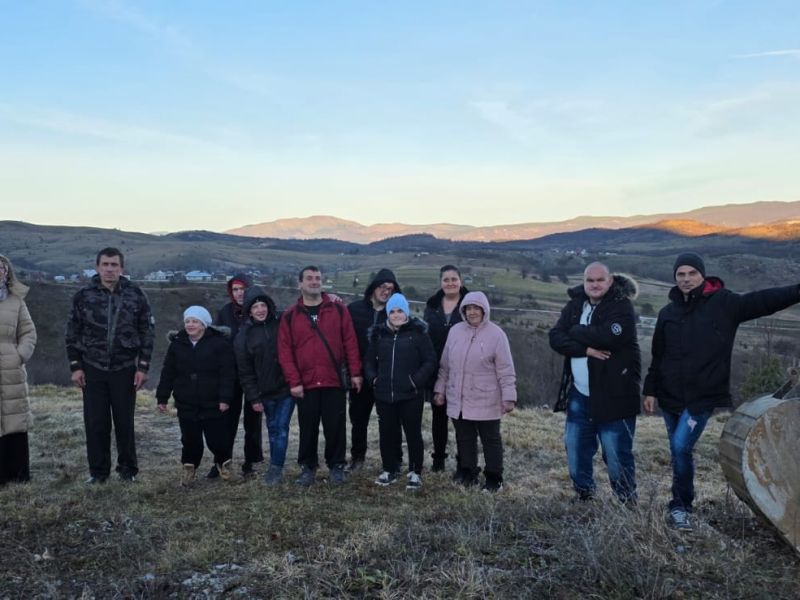


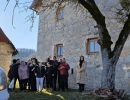
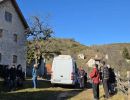
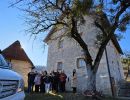
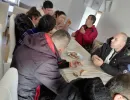
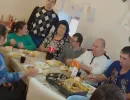
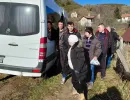

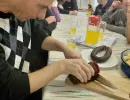


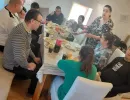
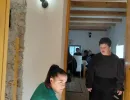
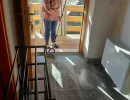
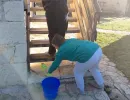
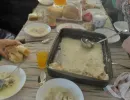
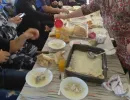
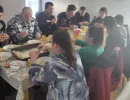
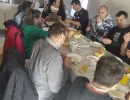
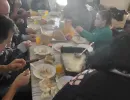

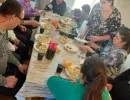
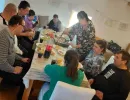
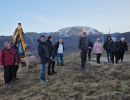
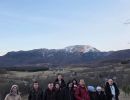
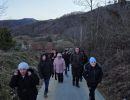
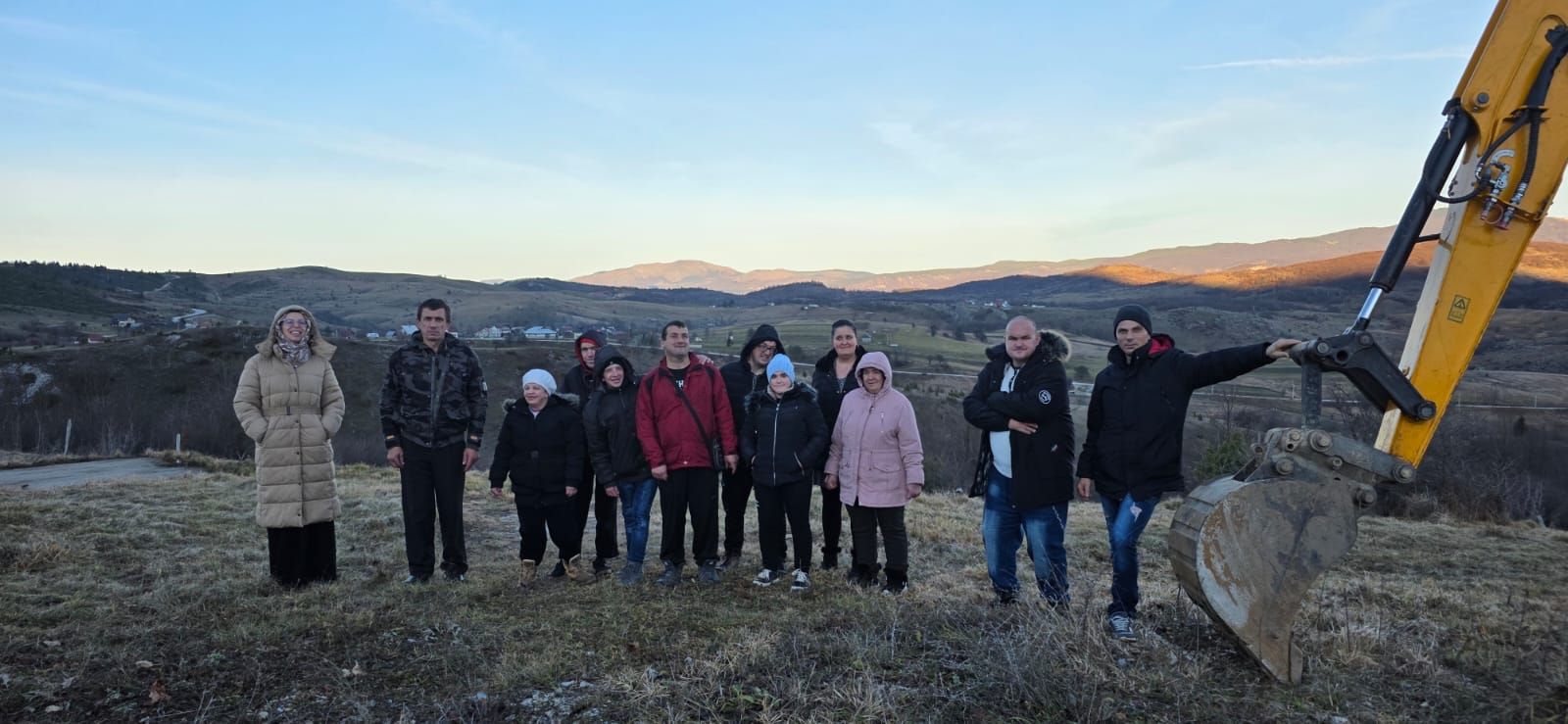
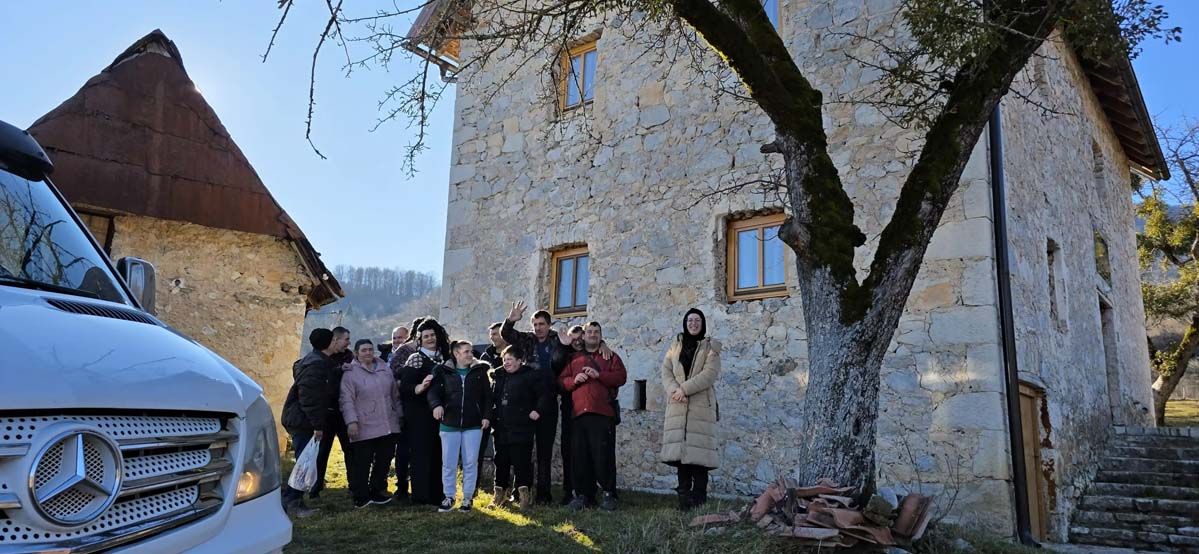
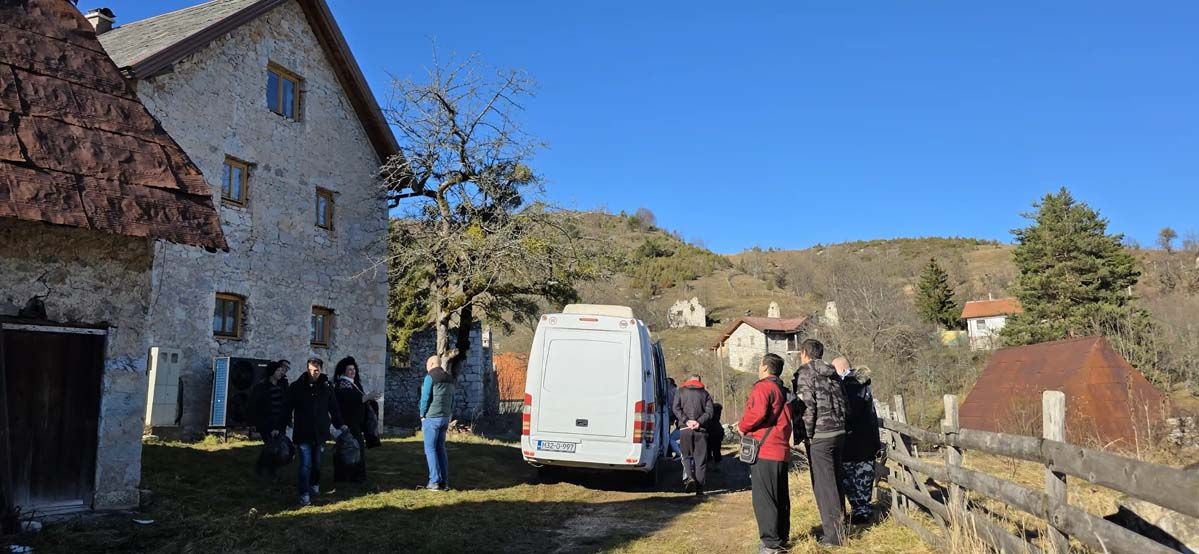
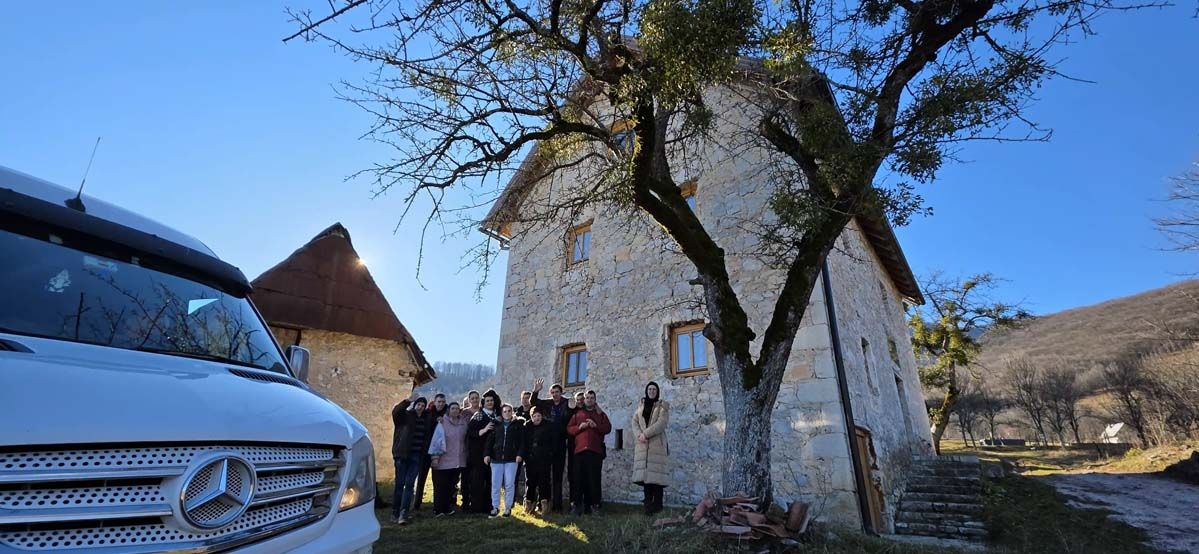
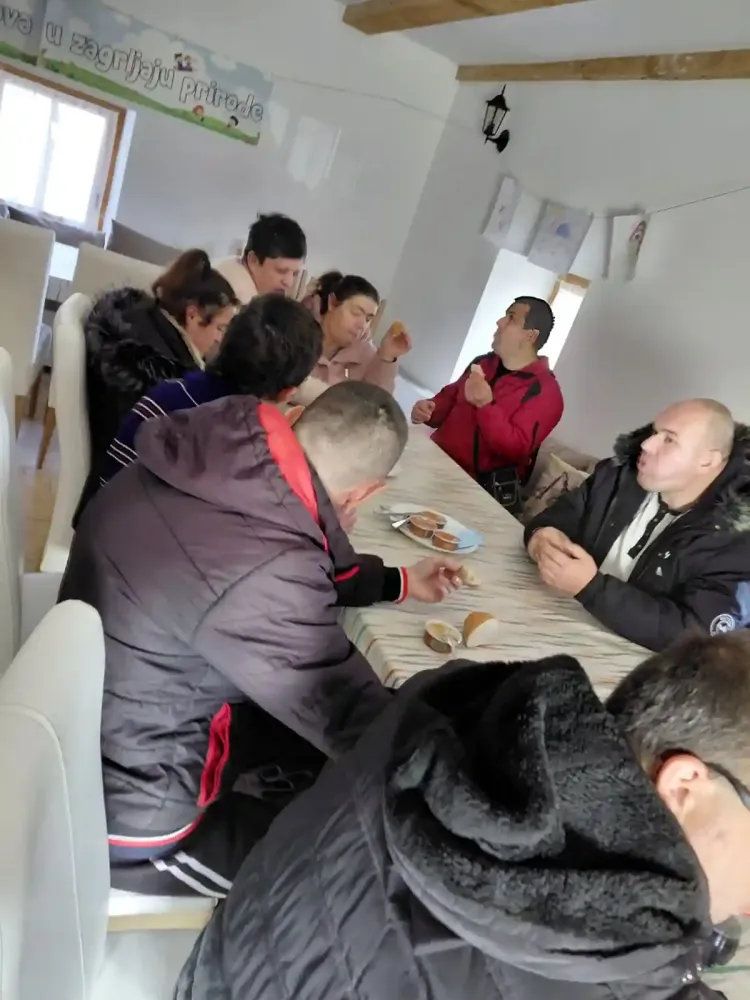
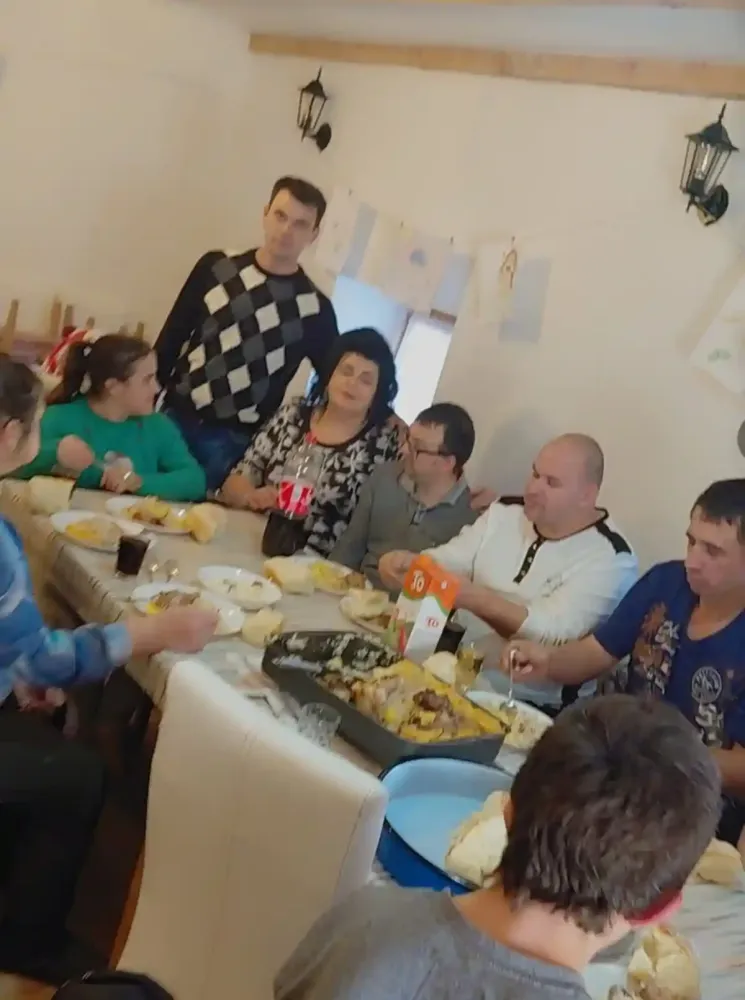
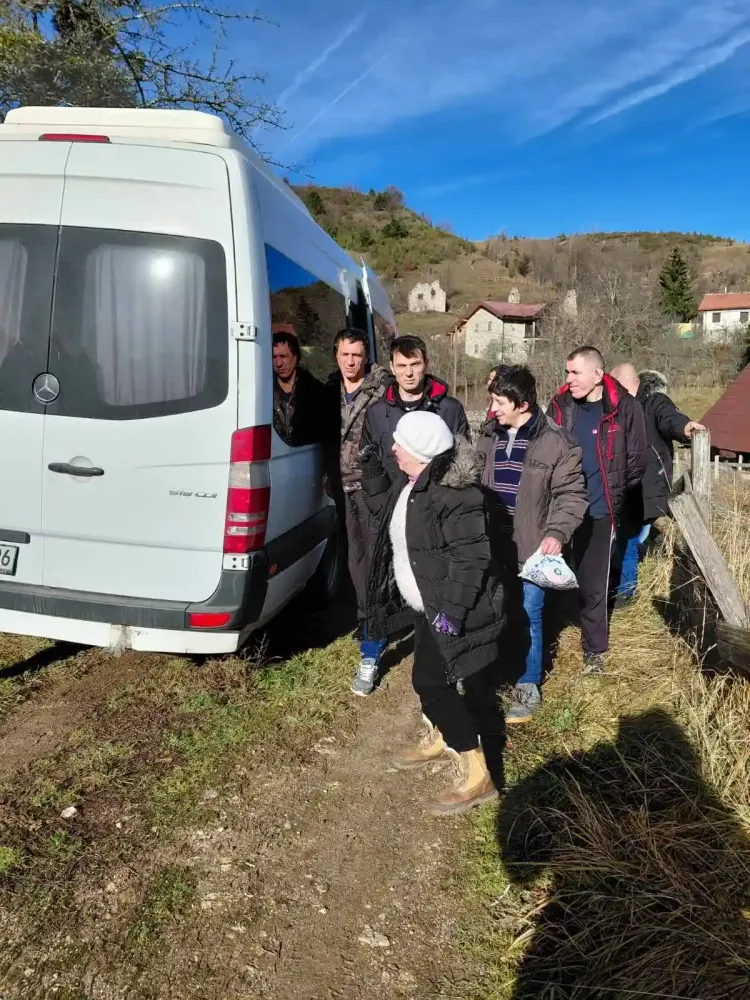
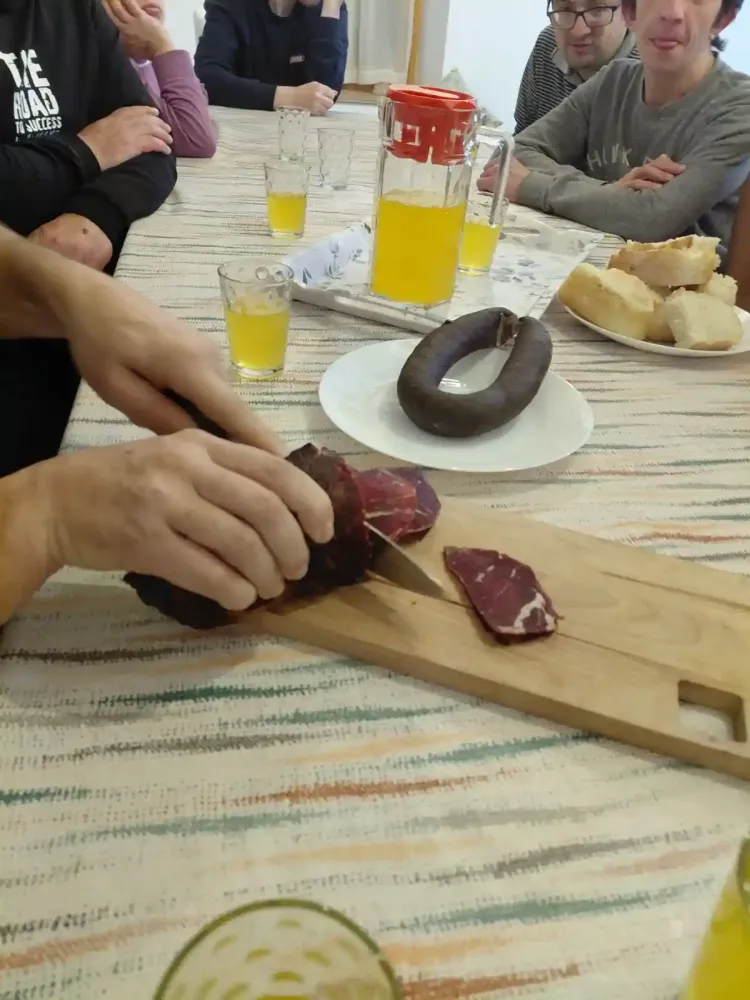
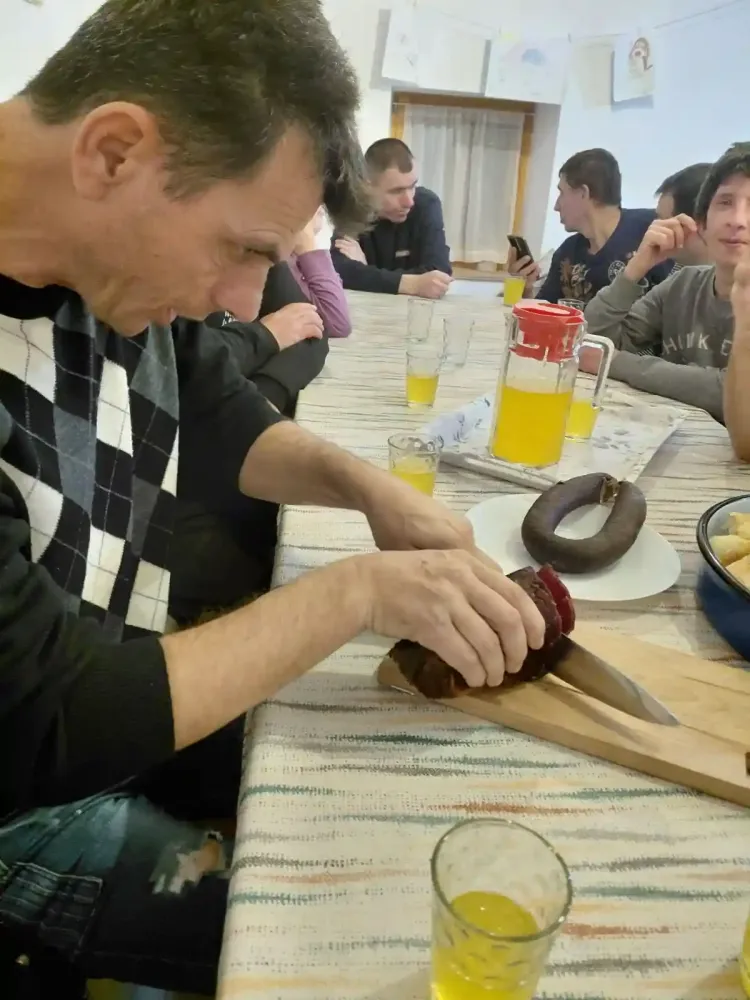
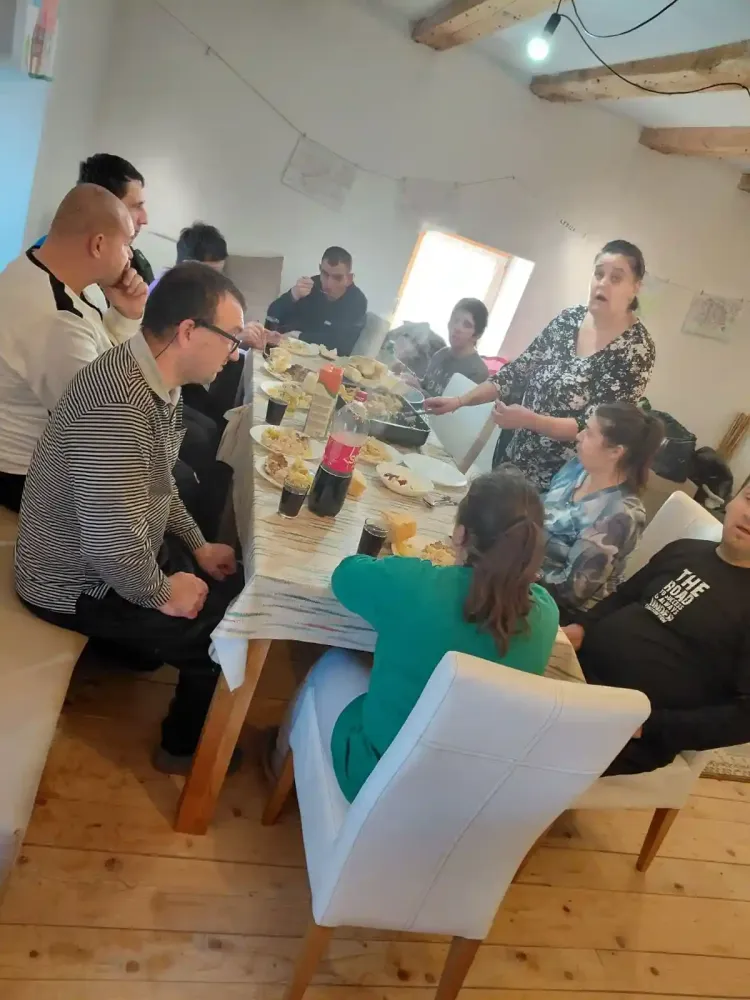
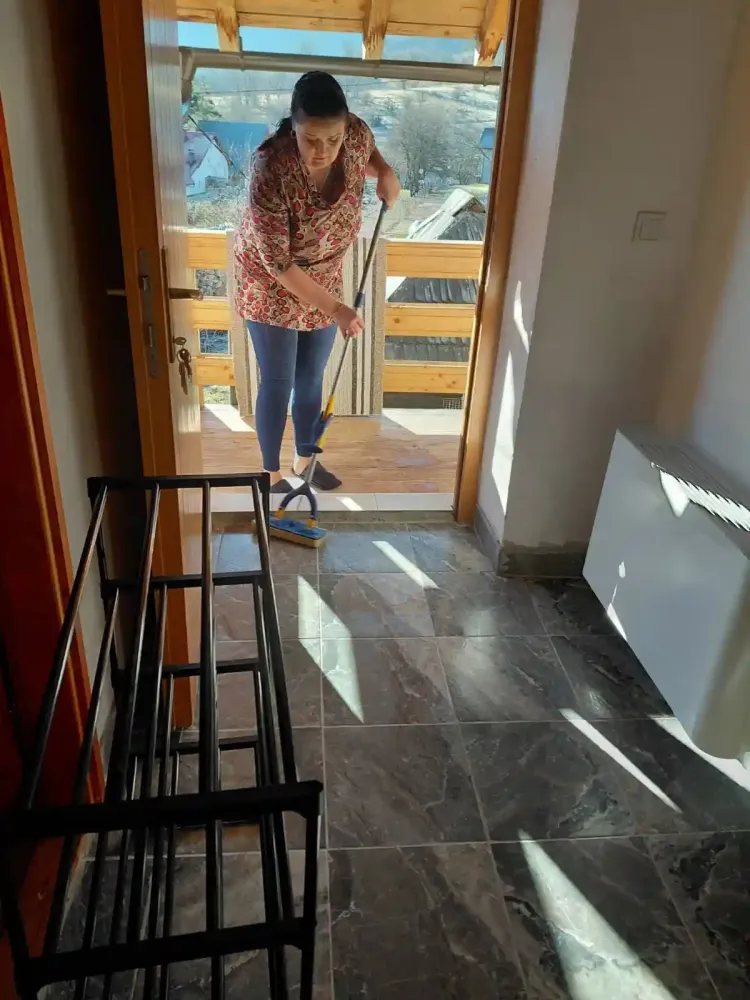
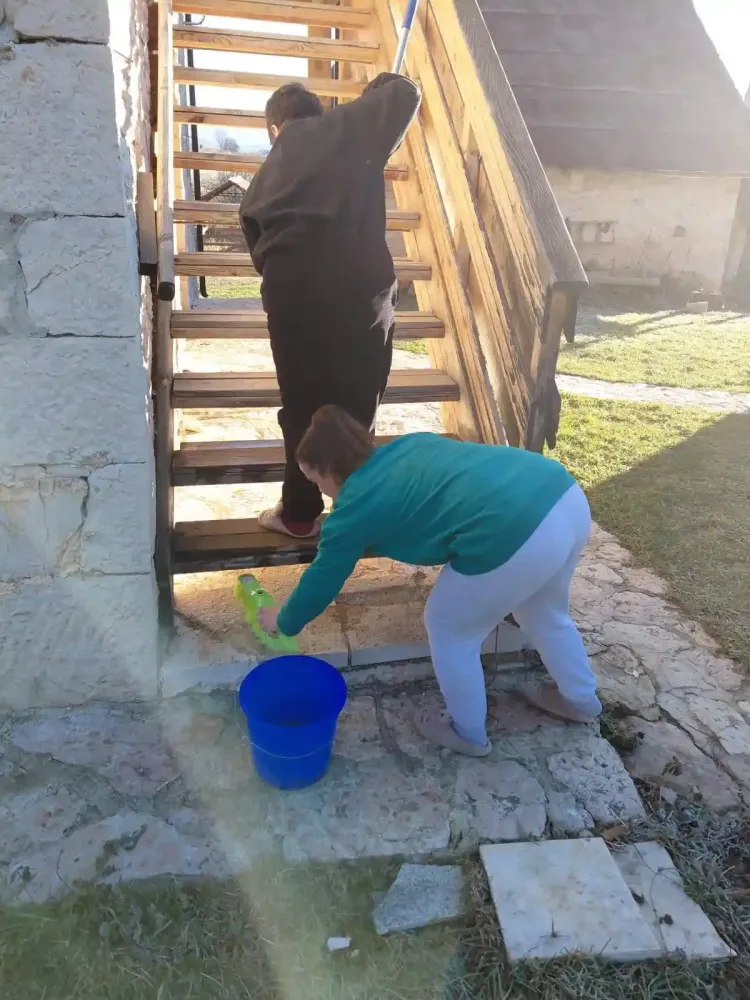
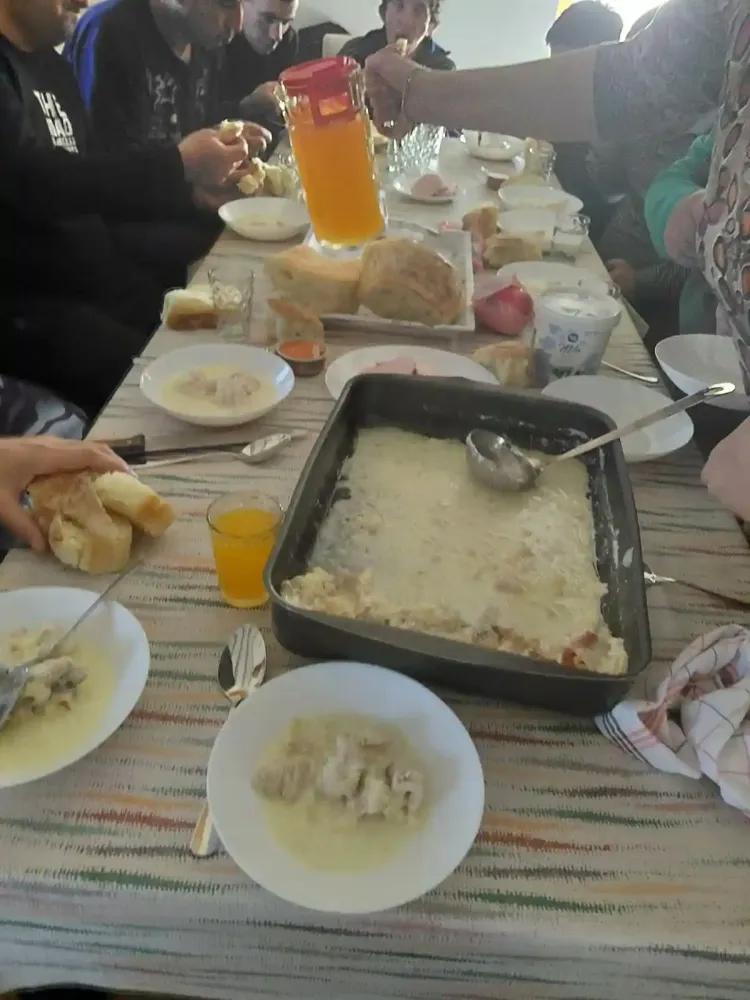
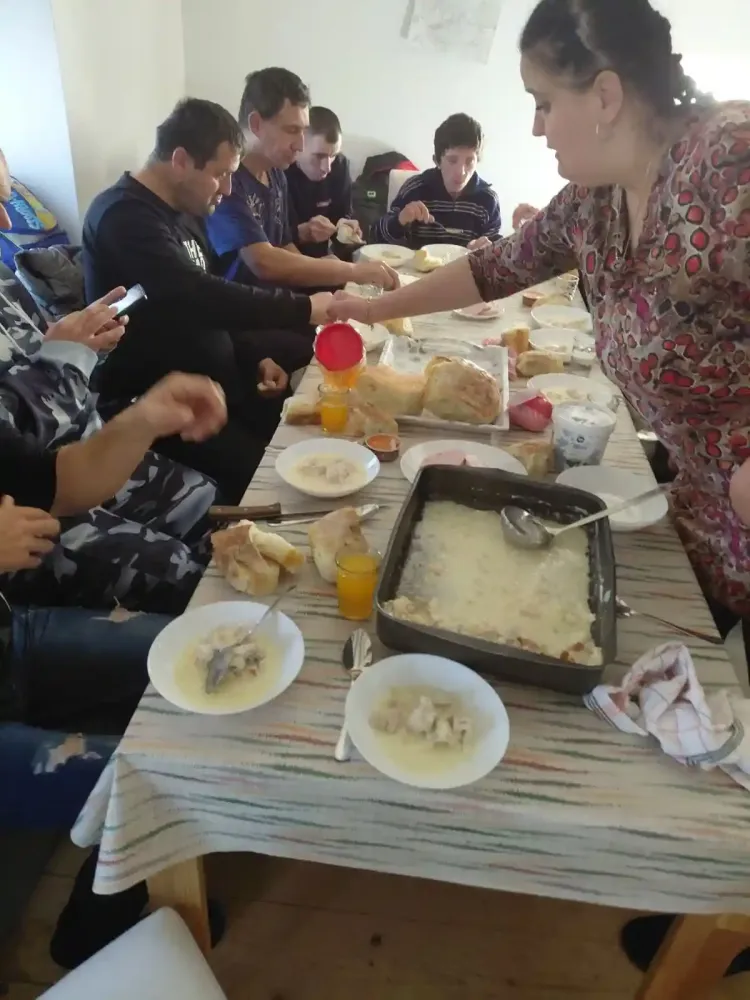
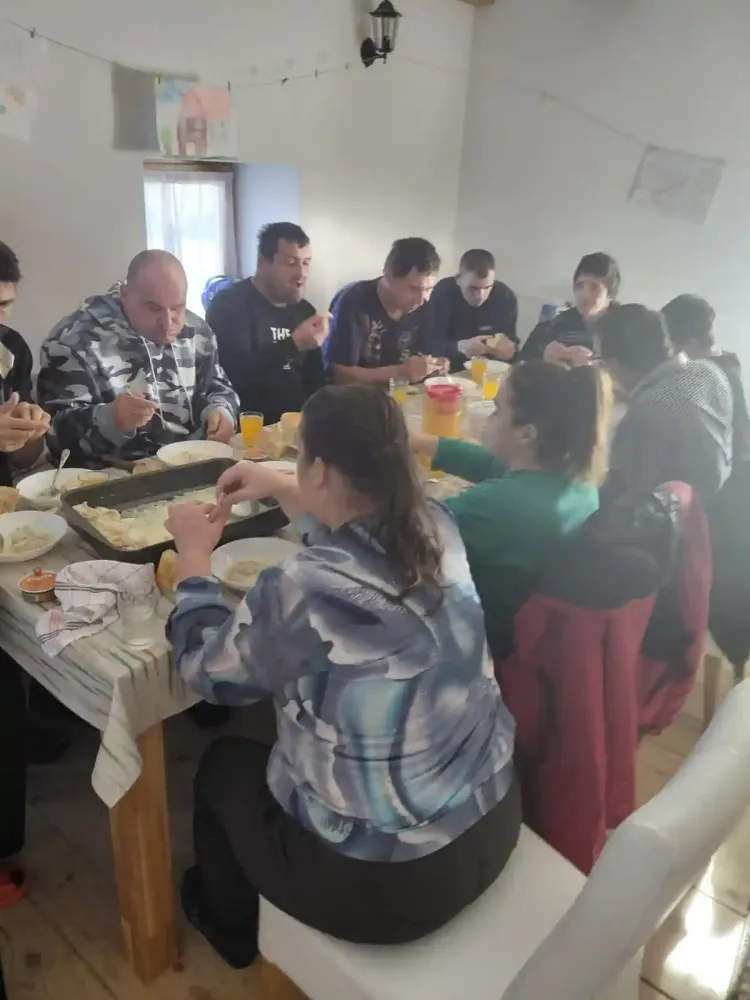
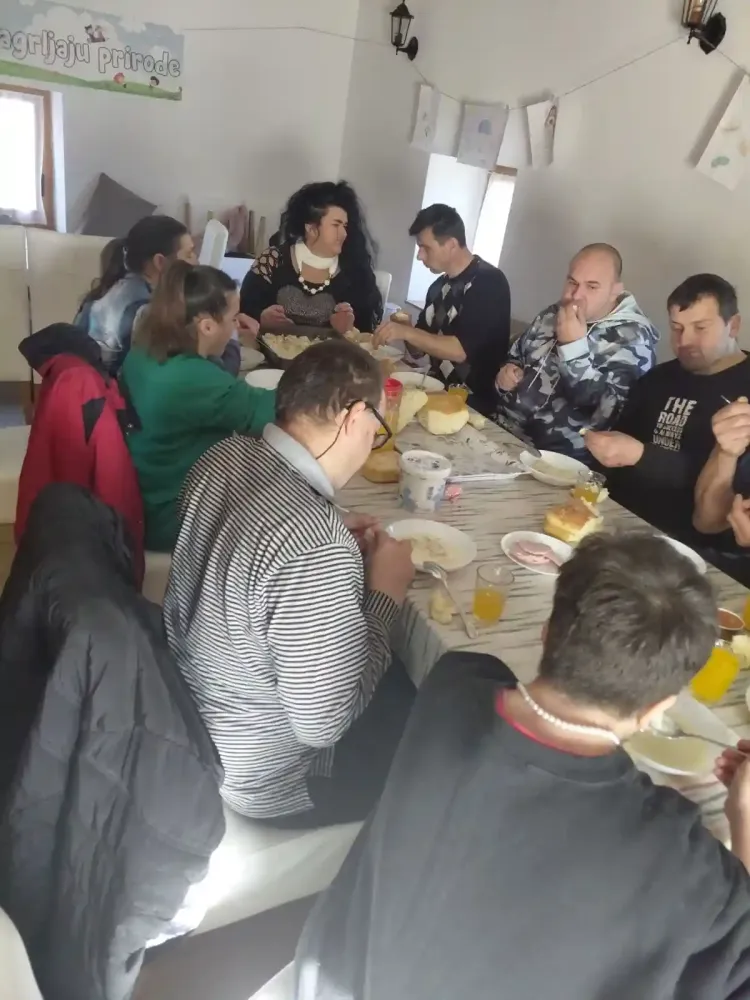
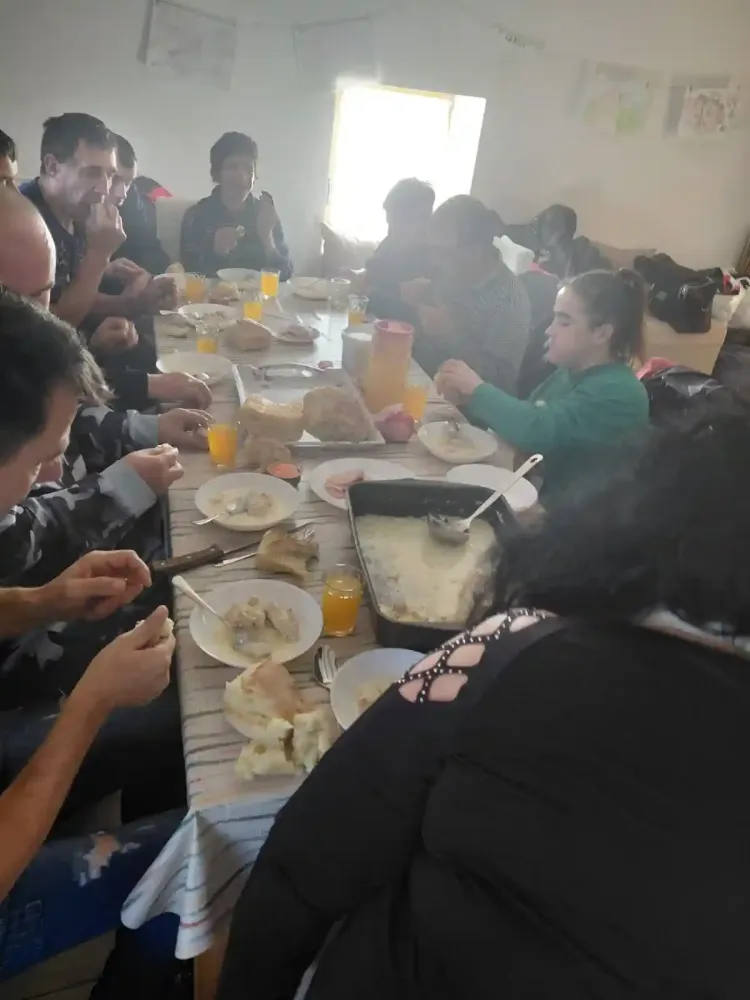
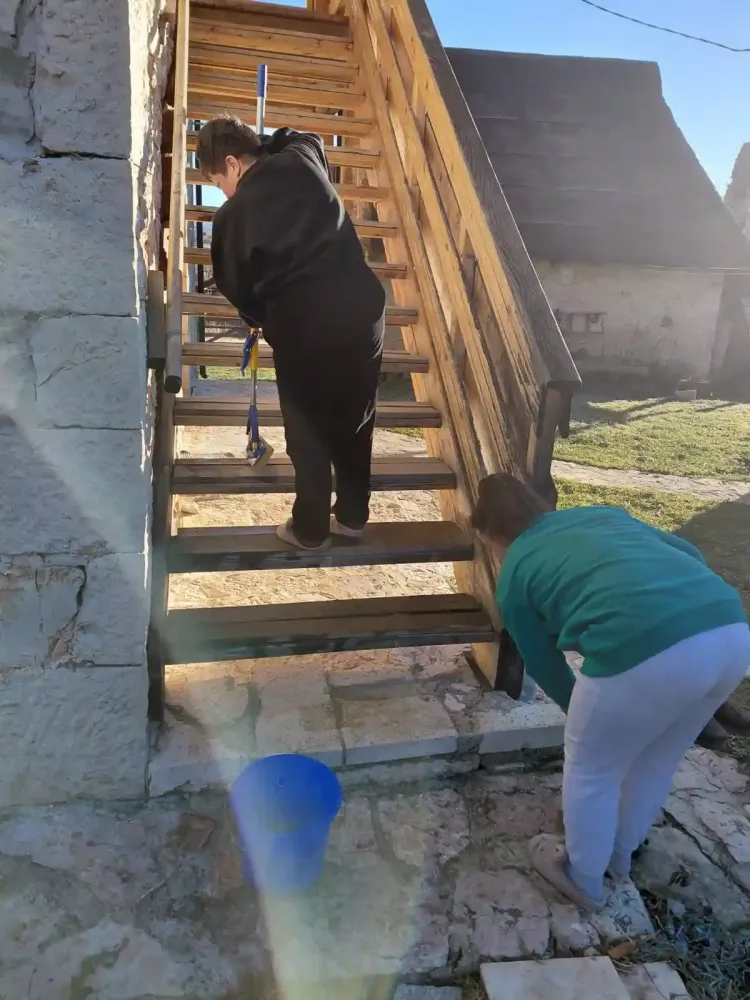
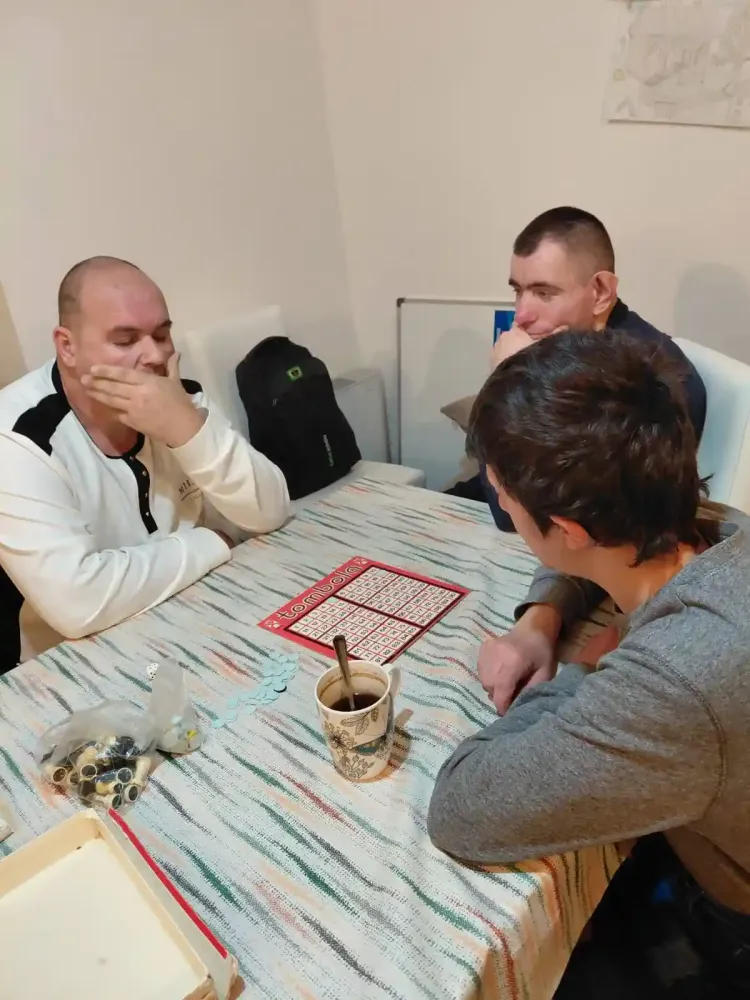
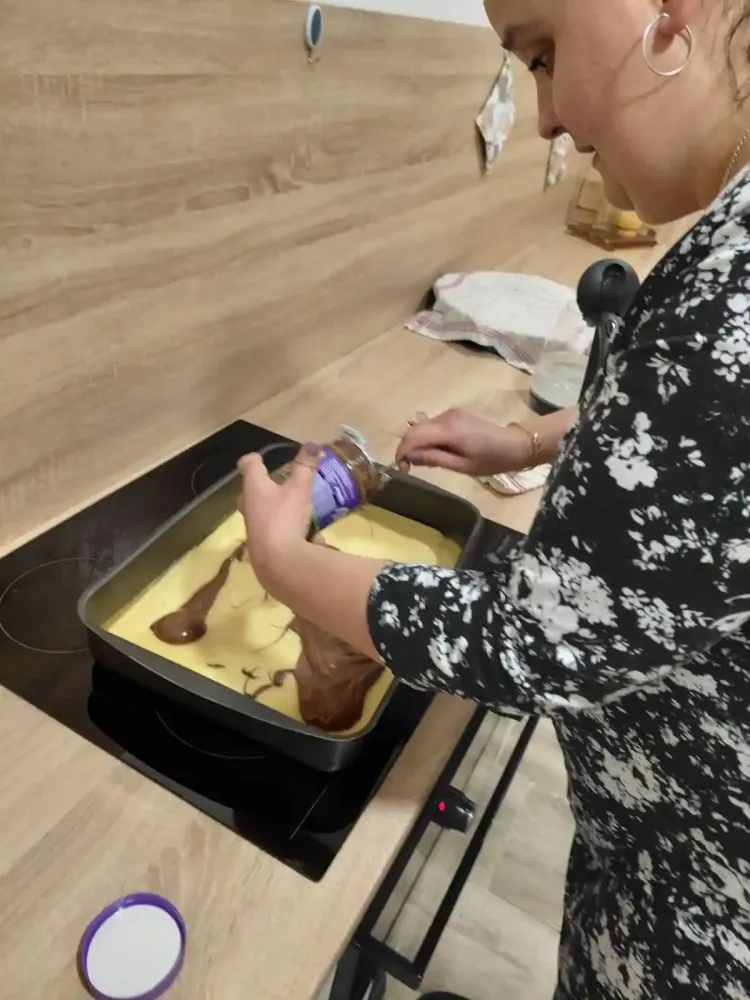
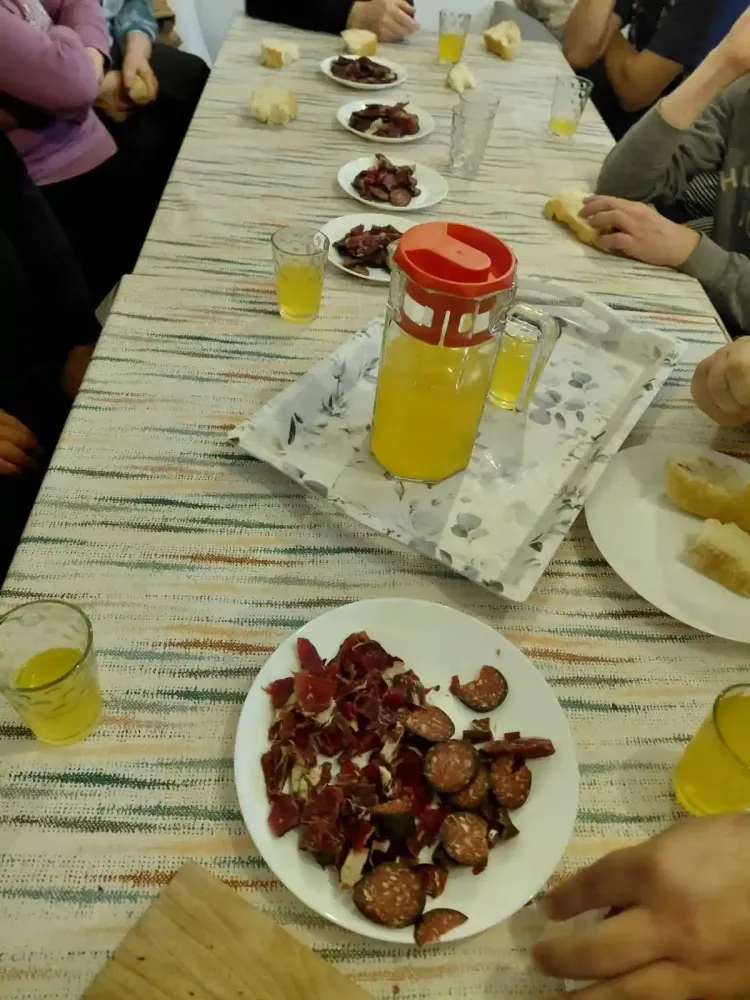
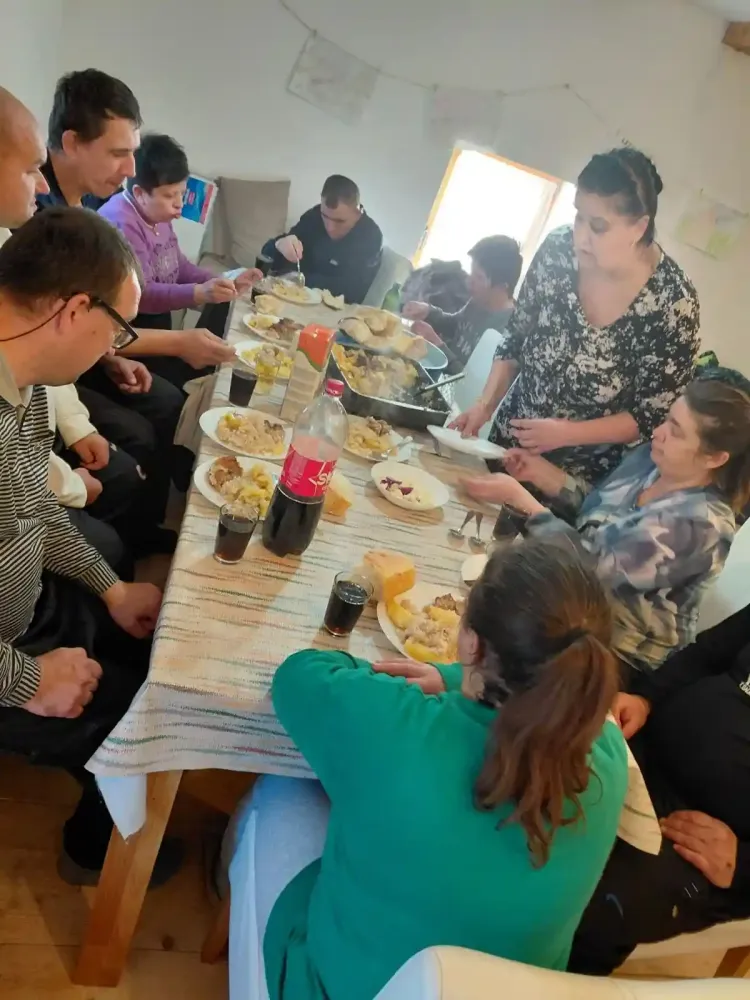
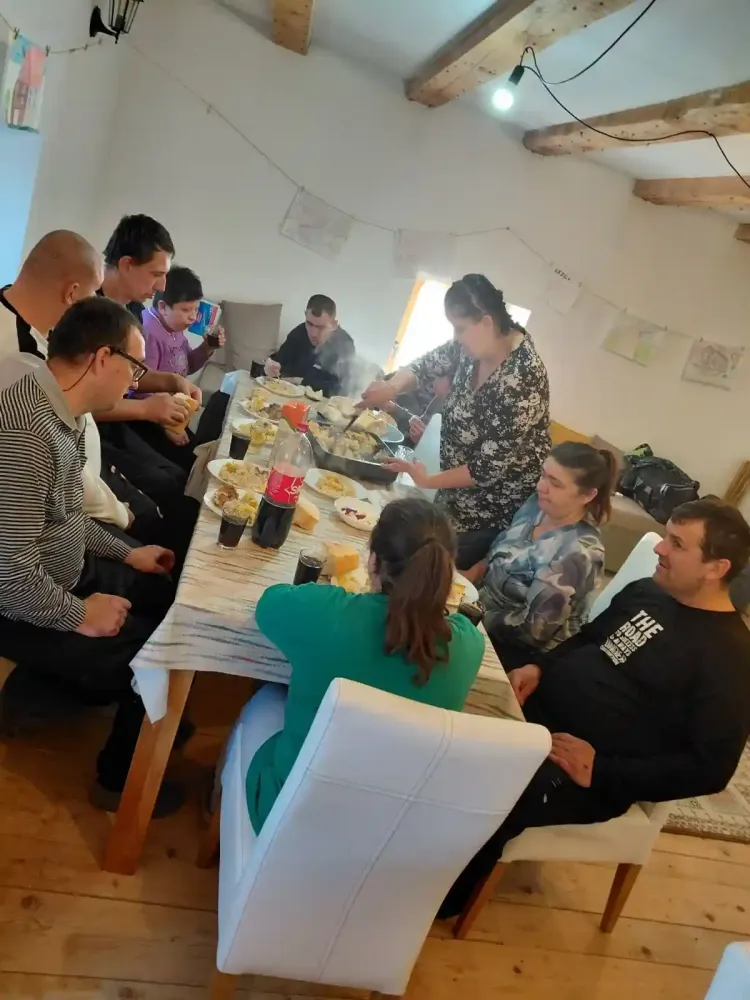
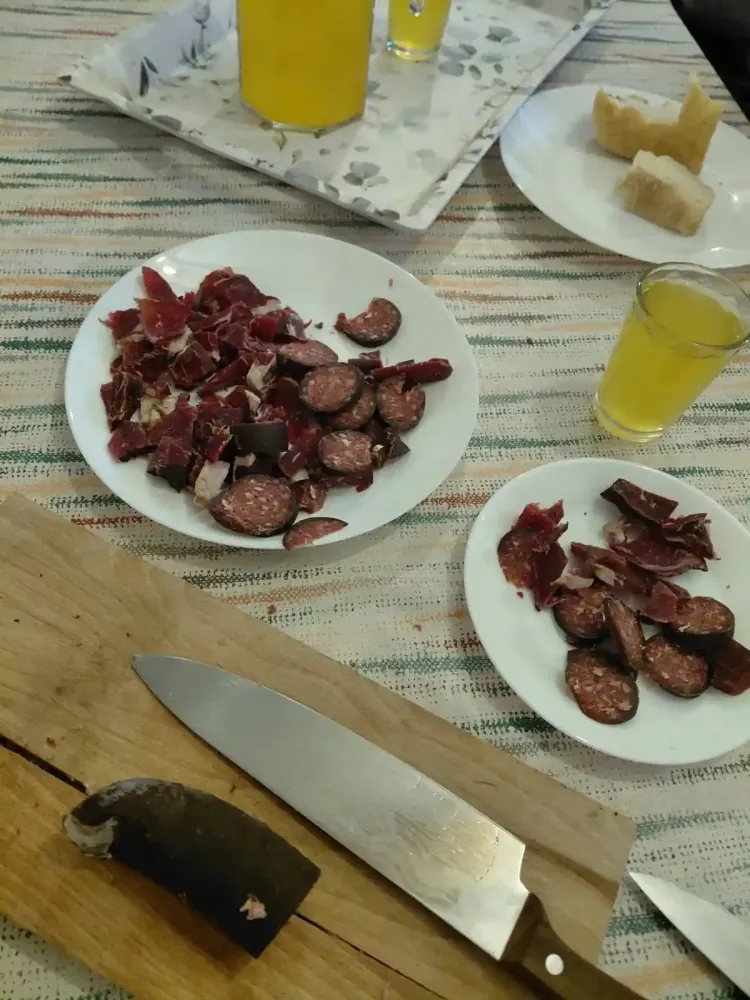
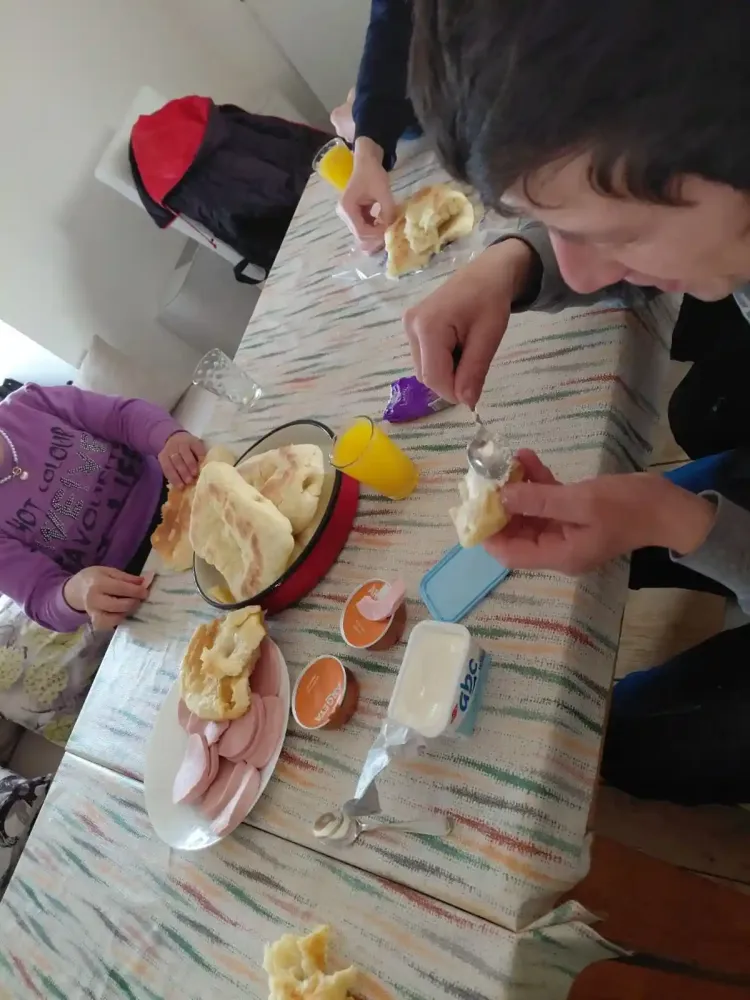
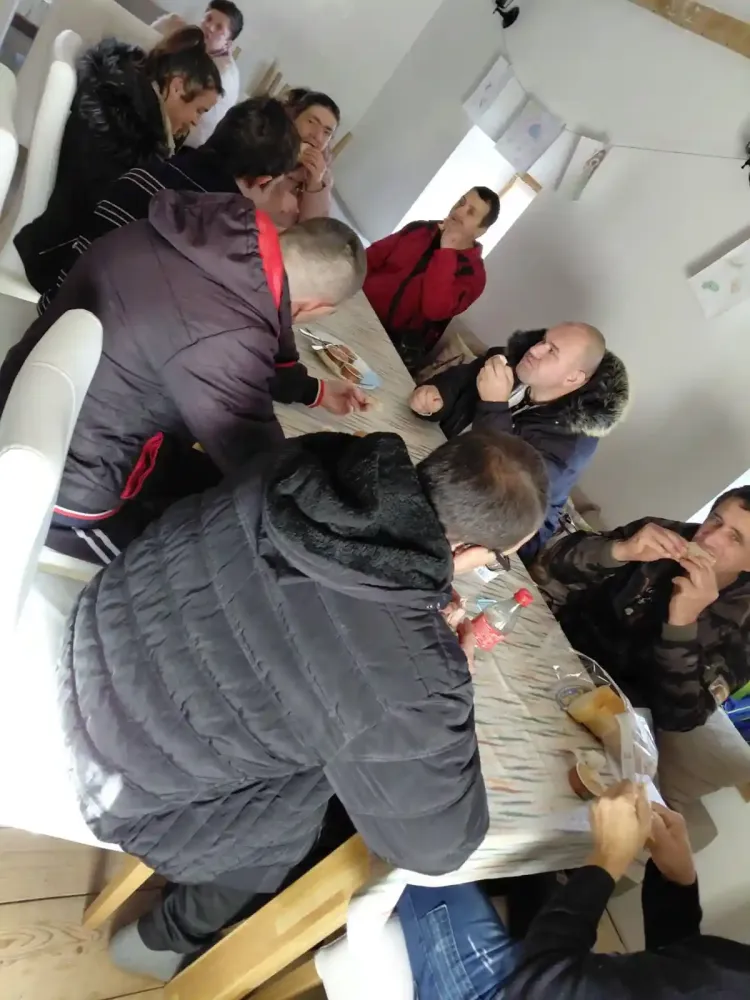
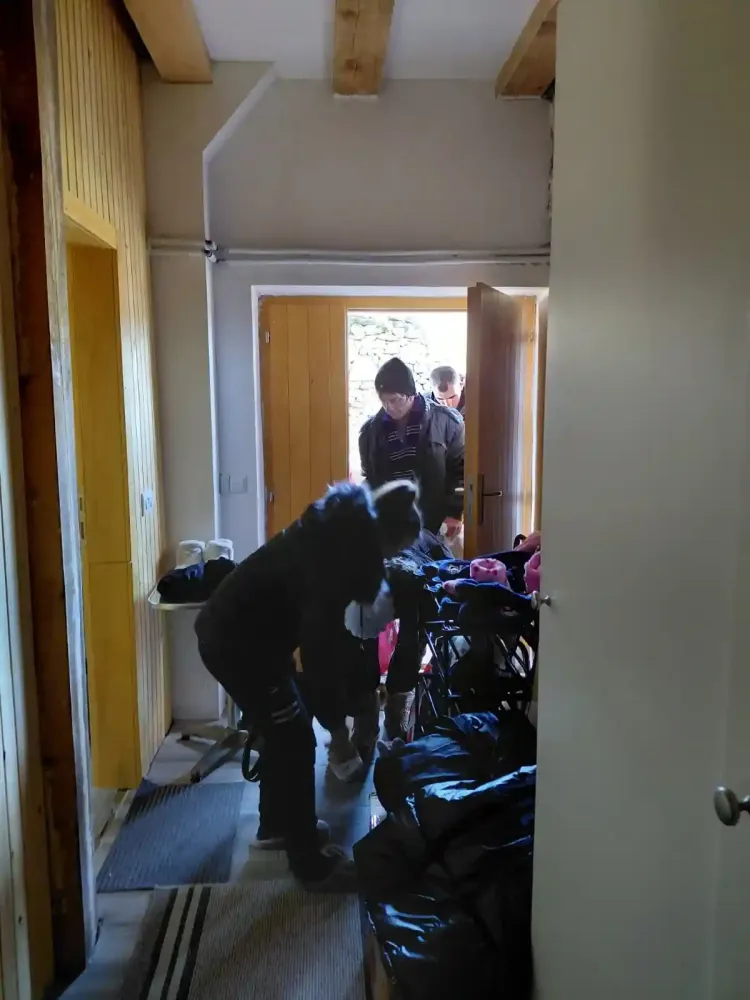
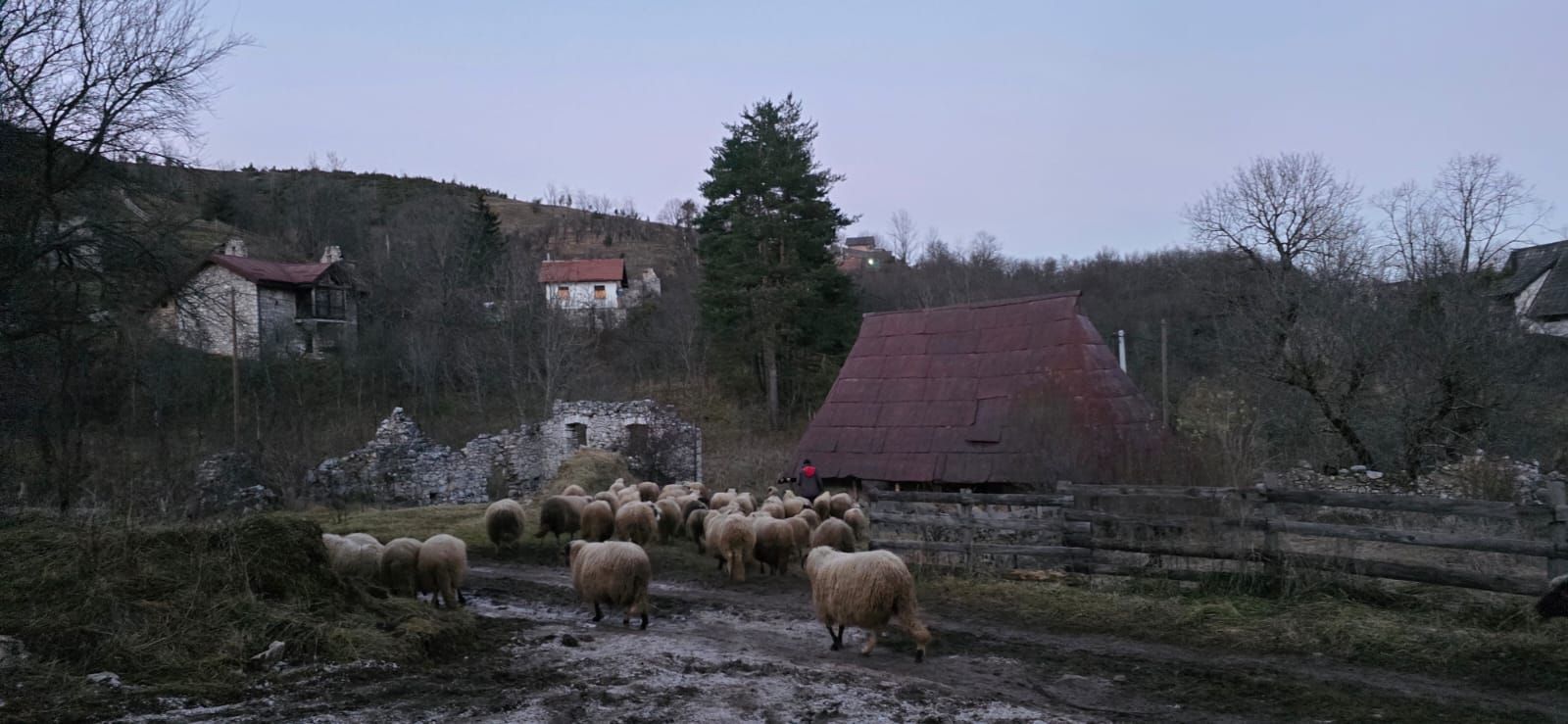
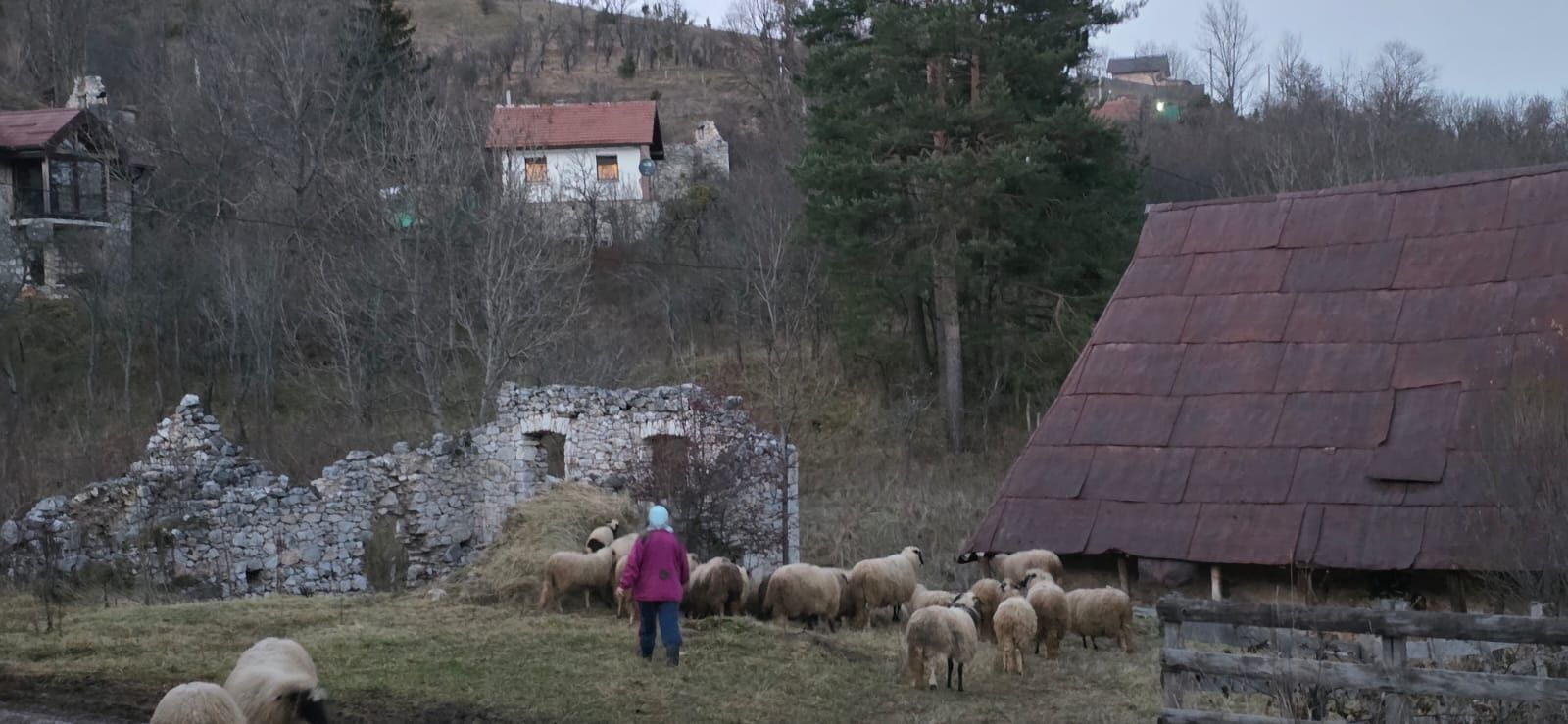
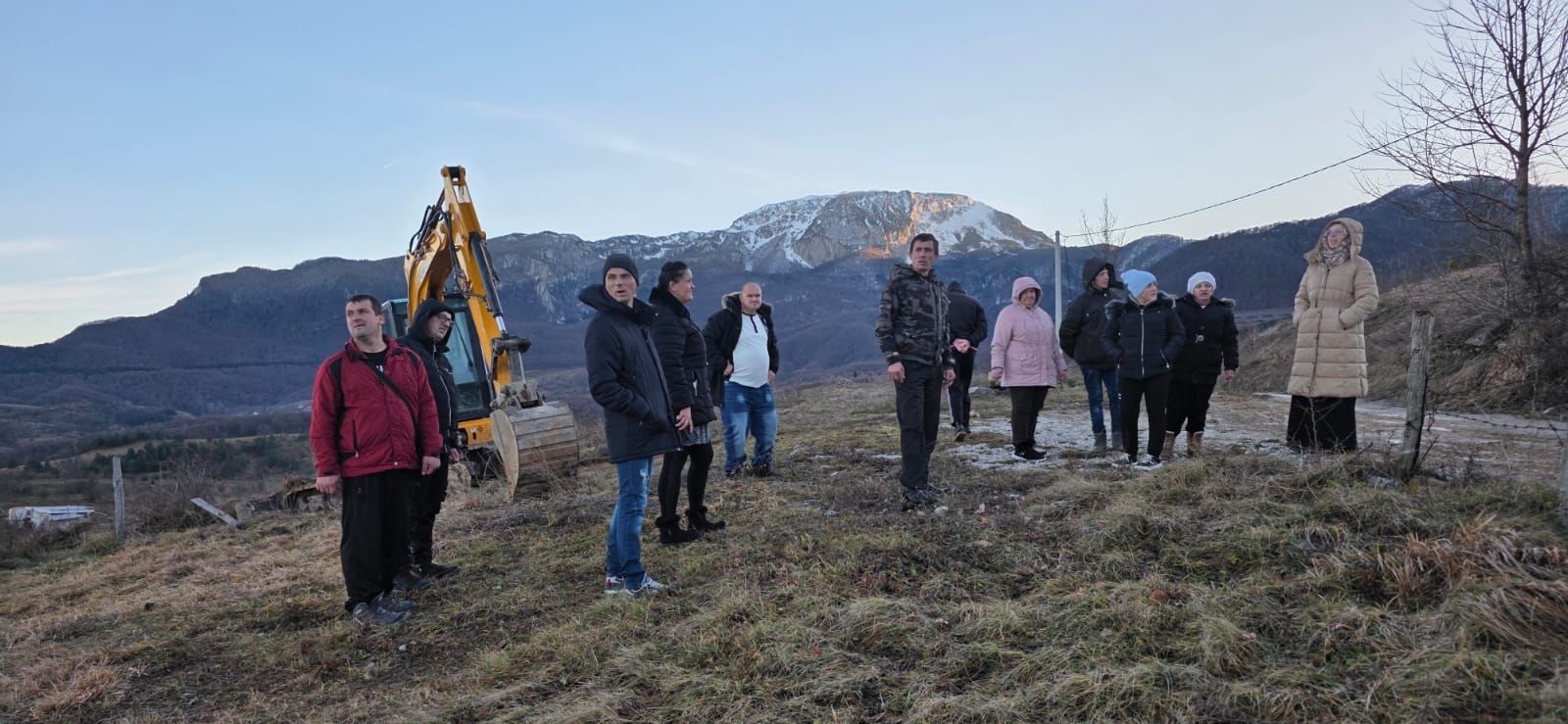
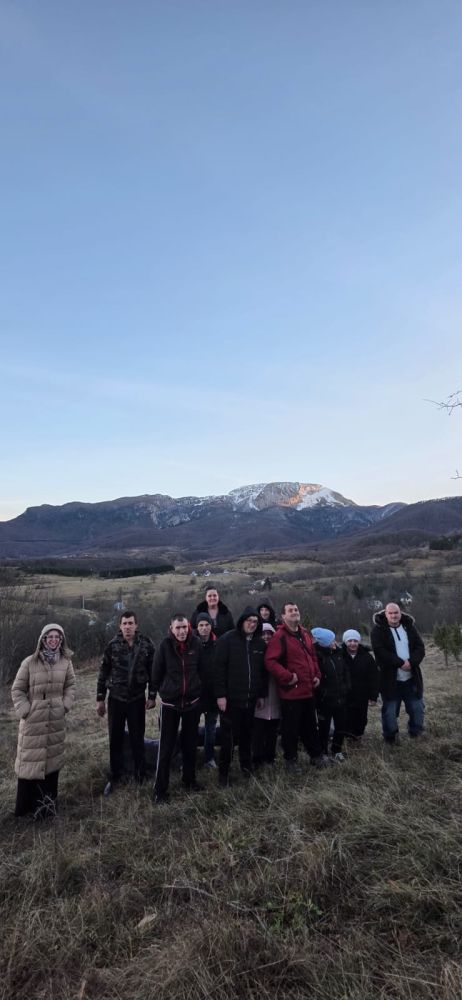
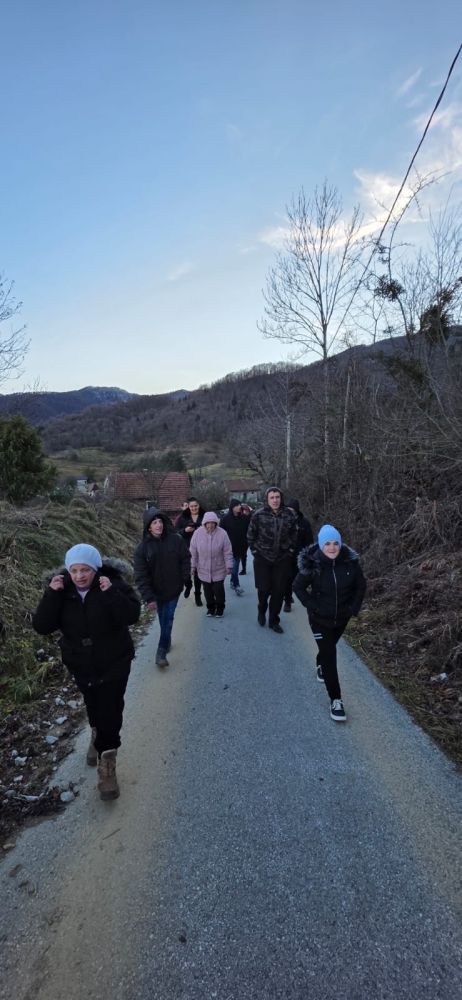
This time, one mother brought both of her sons with special needs. On the previous visit, one of them had to stay at home – to look after the cow. Life in the countryside does not allow for pauses, but it also does not allow giving up. So that everyone could come this time, the cow was temporarily entrusted to a neighbour. A small yet great decision, because for this mother, a few days of peace, safety and togetherness mean more than fatigue and sacrifice.
“We would never go anywhere if Emira didn’t invite us,” she told me quietly, almost shyly, as if apologising. And yet, in that single sentence, everything was said – trust, safety and the feeling of belonging somewhere.
Emira Hodžić, President of the Association of persons with disabilities, has for years been the one who gathers, encourages and connects families living with numerous challenges. She describes their stay in Ledići with words that best reflect what is truly lived there:
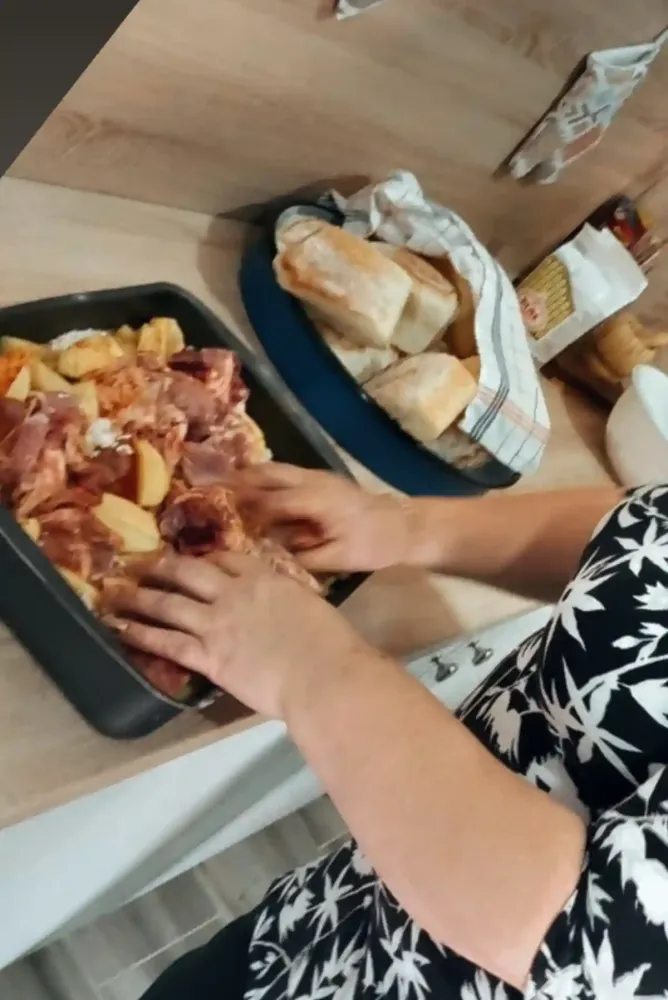
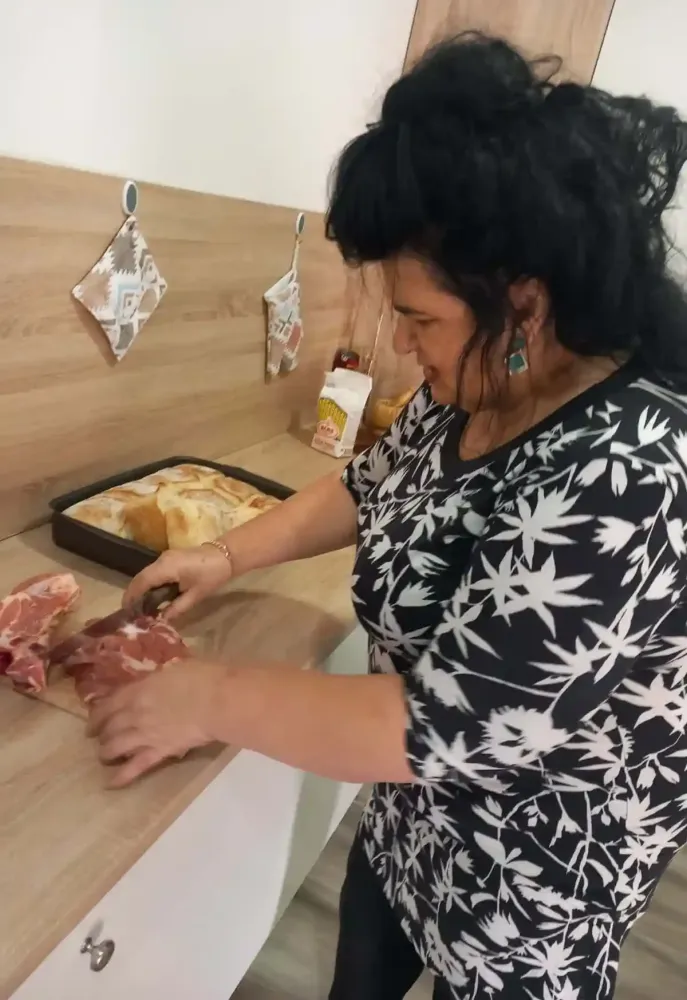
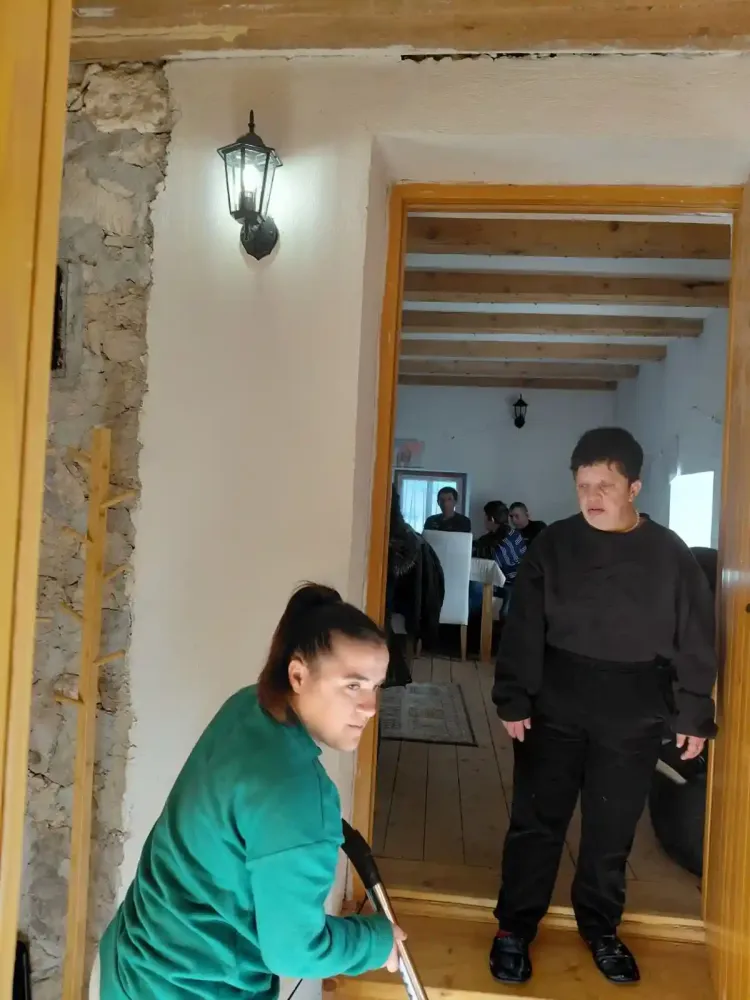
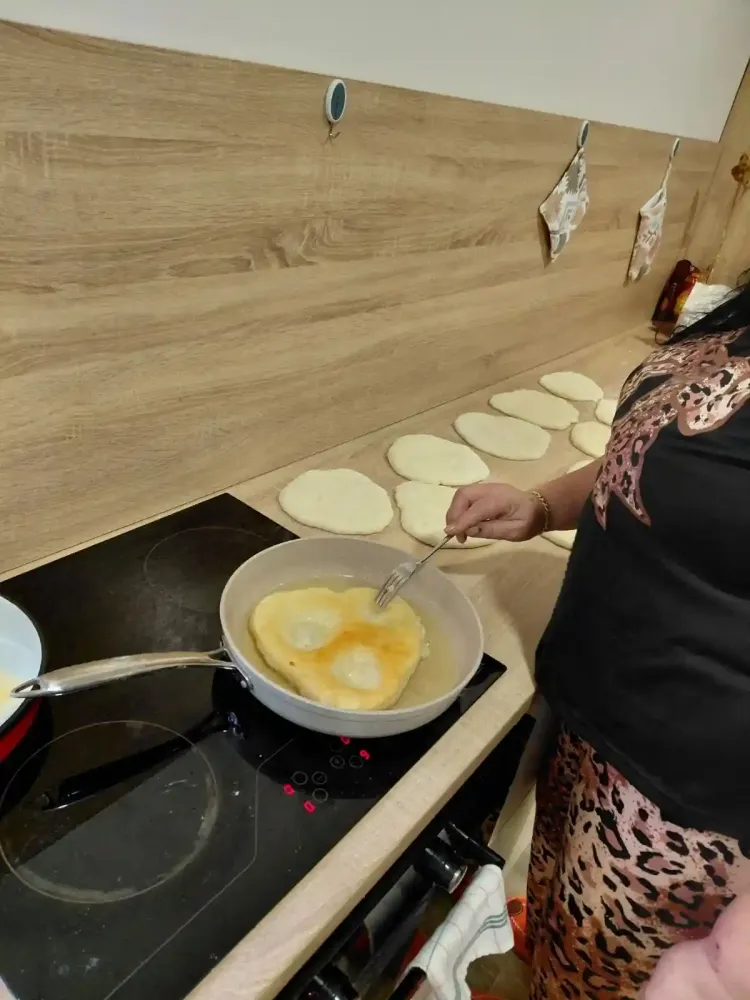
“Once you come to Ledići, to a house where everything is calm and natural, I am sure you will want to come back again. Thanks to our Belma Mujezinović, here we are for the second time in a house filled with so much love and warmth, where we feel at home. We have everything here. Belma provides everything for us as if we were the hosts, because that is truly how we feel. We immediately get to work like one big, harmonious family. Everyone knows their task – some make coffee, others prepare lunch, we feed the cats who rub against our legs as if they want to tell us they are happy we are here too. After resting, we go for walks to experience other charms of this place, such as the beautiful waterfall. And when night falls, we forget all our problems through songs, conversations and social games.”
There are many problems. They rarely speak about them to those who do not know their world. It is difficult to put into words what it means to raise a child with developmental difficulties and to live with the constant thought that, after their death, that child might end up in an institution – alone, without family and a familiar environment.
Among them are also people with milder disabilities who, despite limitations, care for their families. They work from morning until night, doing the hardest physical labour, just to provide at least the basics for their table. Their lives are filled with struggle, but also with incredible strength and dignity.
In Ledići, however, that struggle falls silent, at least for a short while.
“The walls echo with laughter, song and conversation. We go to bed with heavy hearts, because we would rather stay awake until dawn,” says one of the participants.
Non-Institutional care is not an alternative, but a true necessity
The three days passed too quickly. So quickly that, before leaving, some even cried, unwilling to return to everyday worries and reality. Before departure, they said that next time they would like to stay longer – at least six days.
And someone, with a smile, even said a month.
Such stays would not be possible without the shared effort of many people and institutions. Foundation Second extends its sincere gratitude to all donors who helped make the house in Ledići warm, equipped and ready to welcome those who need it most, as well as to the Home for children without parental care Sarajevo, which gave this house a new, more humane purpose. Special thanks also go to the Federal ministry of labour and social policy, whose support enables non-institutional care programmes in Ledići not only to be implemented, but to continuously grow and develop.
For these people with pure hearts, so little is needed – a few days of peace, a sense of acceptance and the knowledge that they are not alone. And in return, they give what is most valuable: sincere joy, trust and gratitude that is remembered long after returning home.
Once again, Ledići have shown that non-institutional care is not an alternative, but a true necessity – because people grow and heal best when they live among others, not within a system.