


After growing, watering, and harvesting the first radishes from the garden of the Small Family Home in Ledići, the girls from the Sarajevo Home for Children Without Parental Care took the next step – learning how to preserve the fruits of their work by preparing homemade pickled radishes.
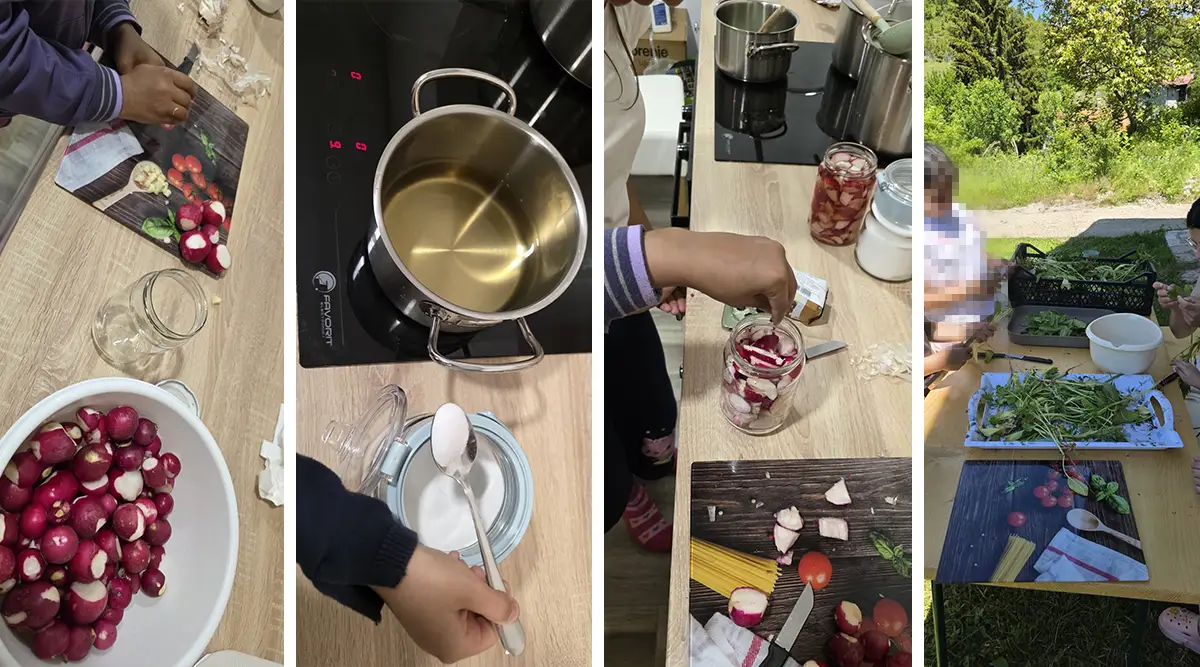
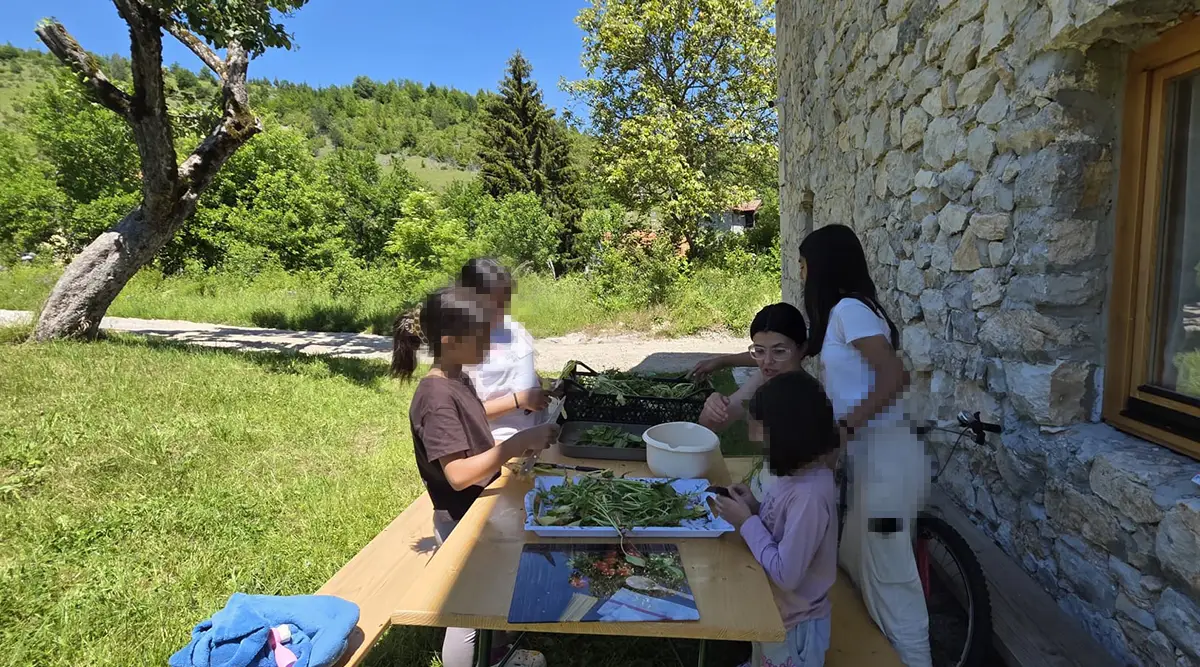
During their three-day stay in Ledići, the girls, together with Foundation Second Director Belma Mujezinović and a volunteer, first harvested fresh radishes from the garden they cultivate together. They then carefully washed, cleaned, sliced, and prepared them for pickling.
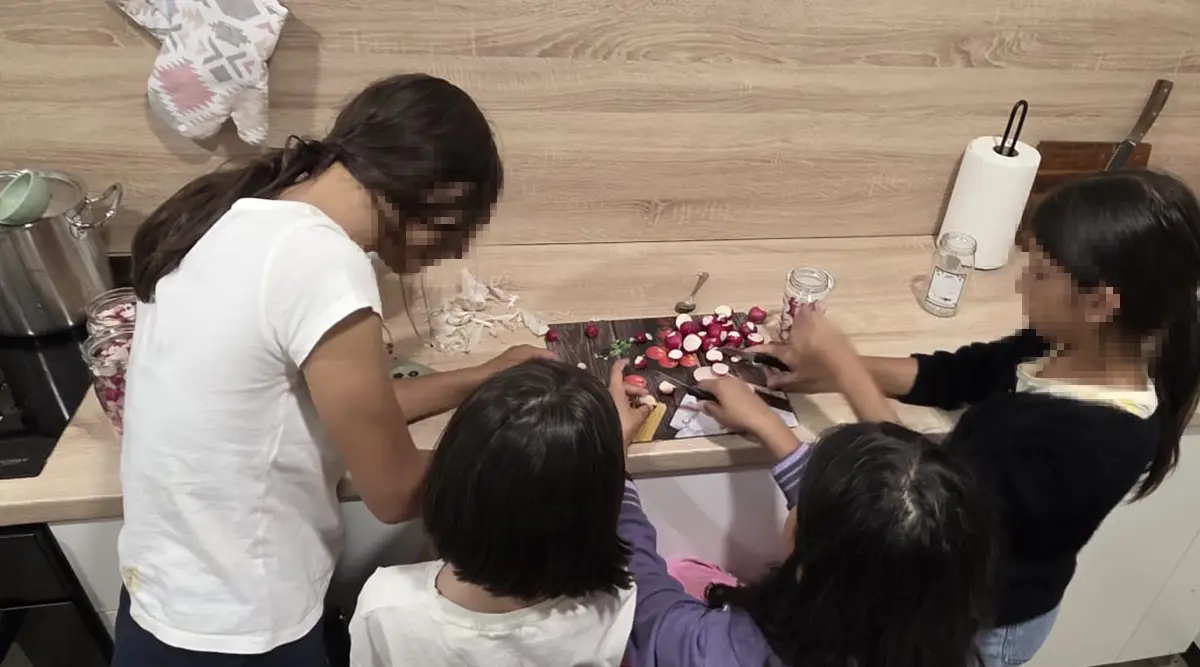
Filled with laughter and conversation, everyone had their own role. Some sliced the radishes, others finely chopped garlic, while others added colourful peppercorns to the jars. Together, they also prepared a warm brine made of water, vinegar, salt, and sugar, which was poured over the radishes.
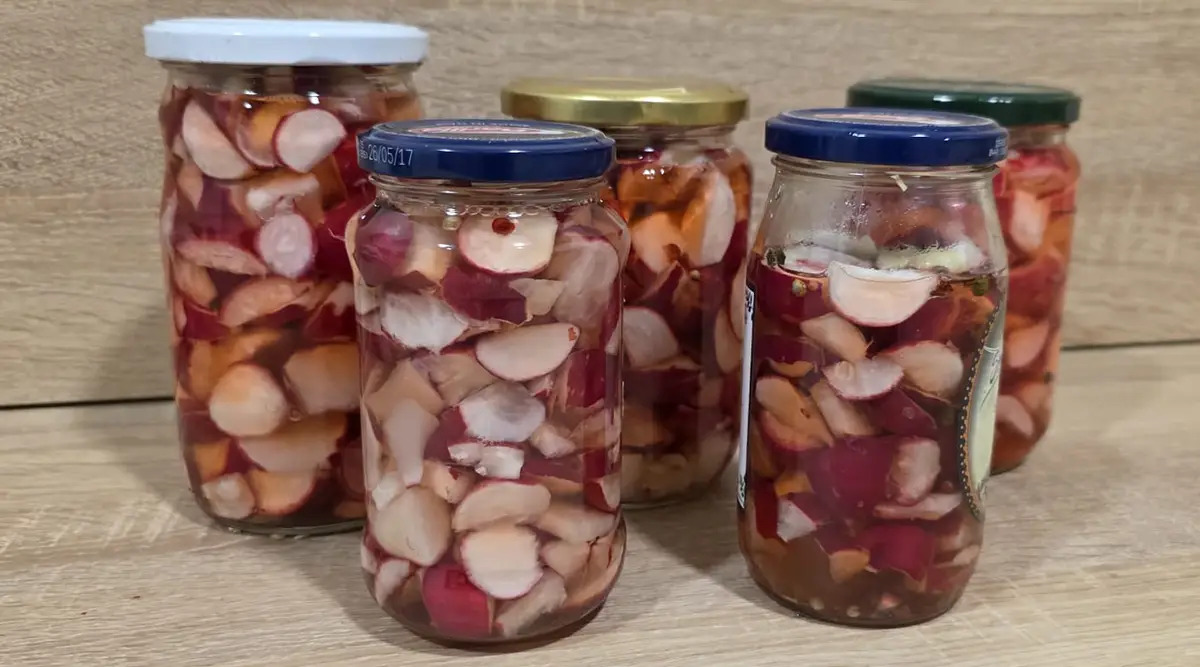
Finally, the jars were carefully sealed and left to rest so that the girls could enjoy the homemade pickled radishes they had prepared themselves just a few days later.
Activities like these go far beyond learning how to cook. Through them, children develop a sense of responsibility, learn where food comes from, understand the importance of not wasting what they grow, and discover how traditional knowledge is passed down from one generation to the next. At the same time, they build patience, precision, teamwork, and self-confidence by seeing the tangible results of their own efforts.
The garden at the Small Family Home in Ledići is gradually becoming an outdoor classroom where children without parental care acquire practical life skills through hands-on experience—skills that will benefit them when they begin living independently. Learning how to sow vegetables, harvest them, and turn them into meals or preserved food is an experience no book can fully replace. Numerous studies have shown that practical work in school and community gardens helps children develop responsibility, healthier eating habits, and greater self-confidence.
Foundation Second and the Sarajevo Home for Children Without Parental Care will continue developing programmes like these, believing that life's most valuable lessons are often learned far from the classroom—in nature, through shared work, mutual support, and the joy of creating something with one's own hands.