


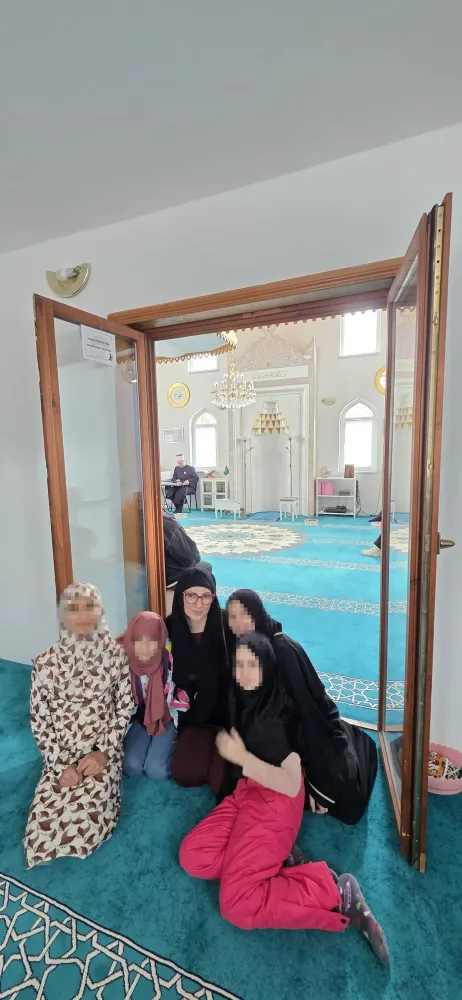
The first Ramadan weekend at the Small Family Home in Ledići brought together girls aged 9 to 11 from different organizational units of the alternative care system – Home for Children without Parental Care Sarajevo, the Small Family Home in Blagovac, the Small Family Home in Sokolović Kolonija, and the Small Family Home in Marijin Dvor.
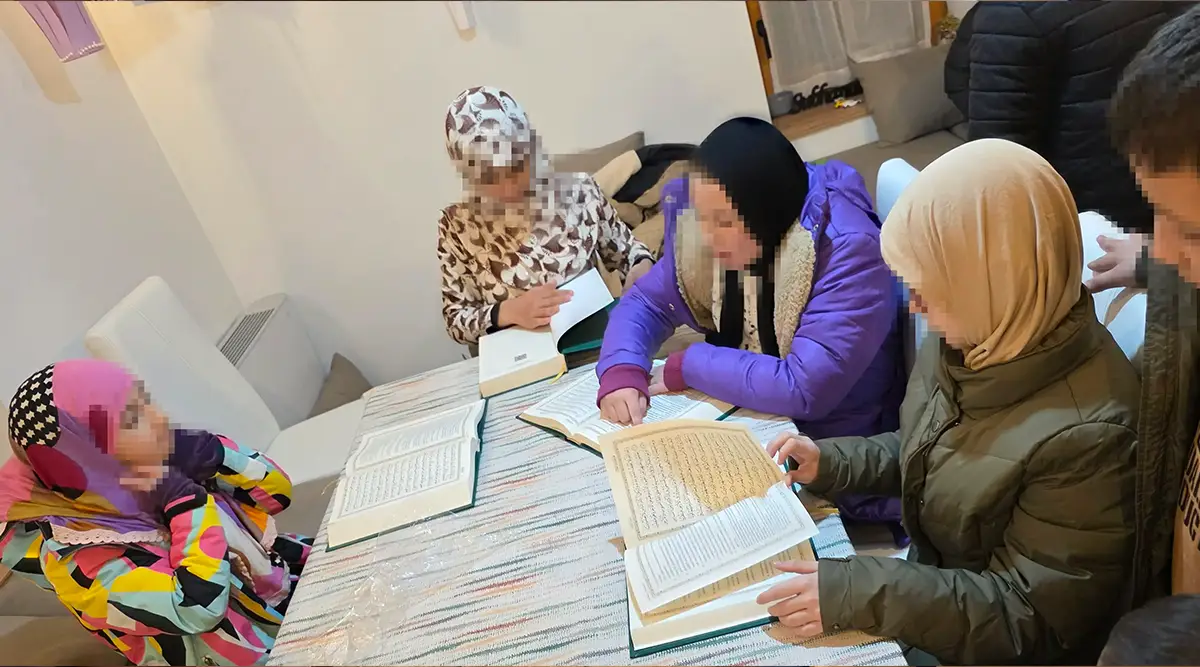
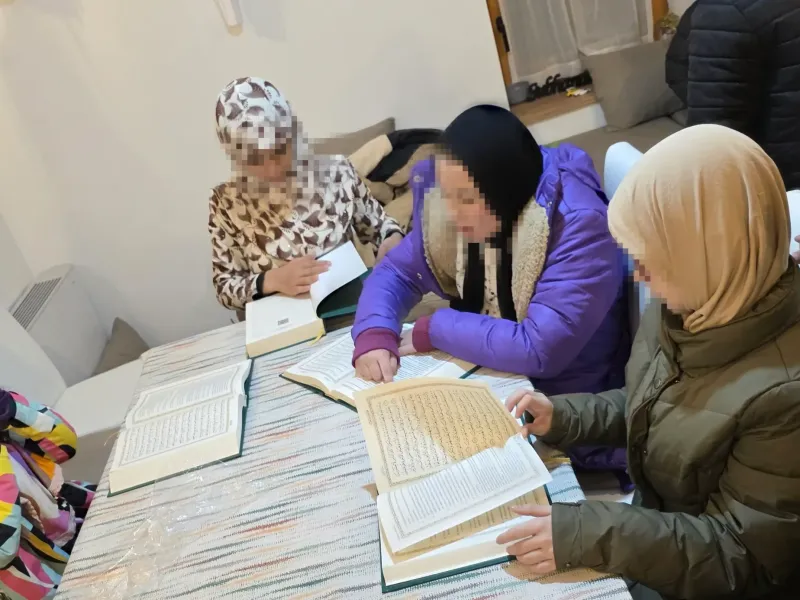
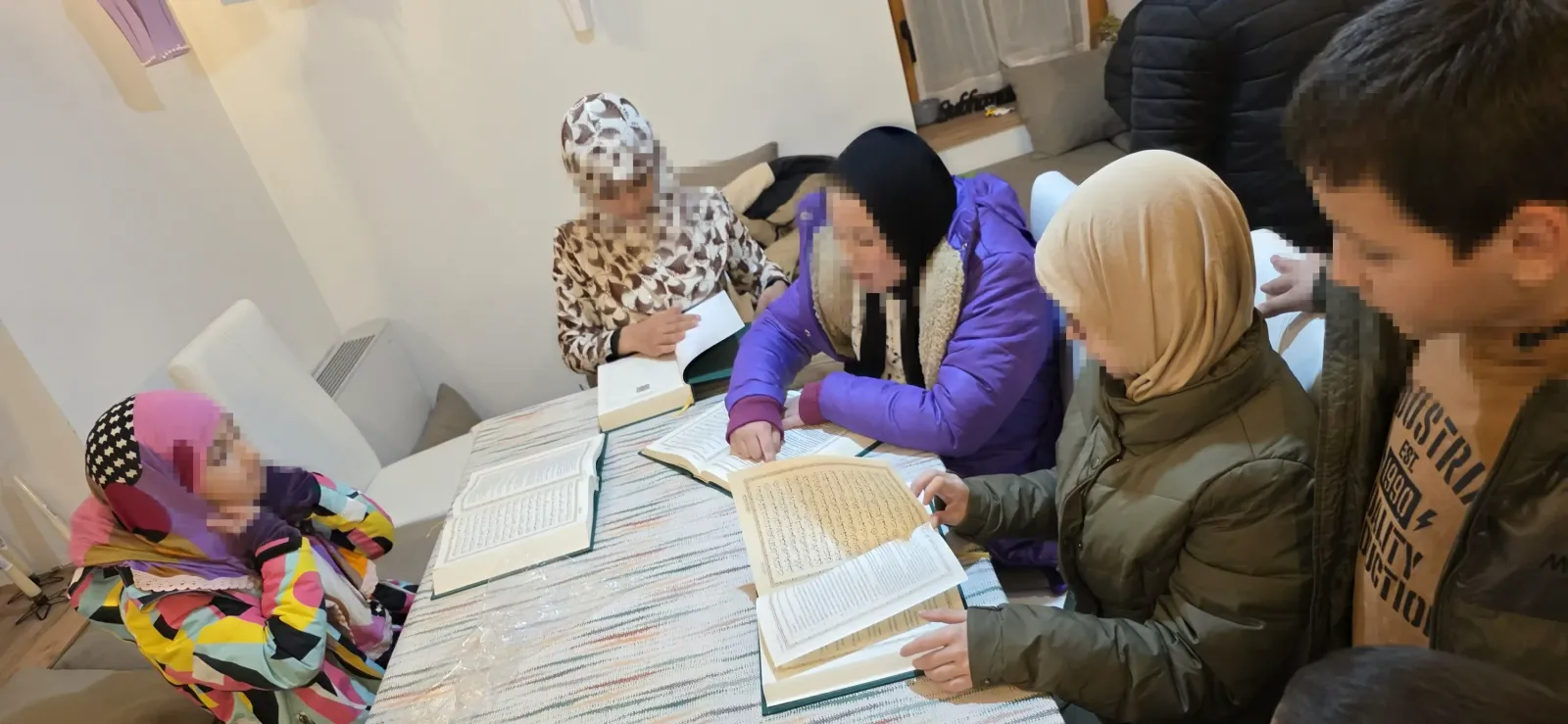
These are girls who, since last year and organized by Foundation Second, have been attending Quran reading (sufara) classes at Bistri Izvor. During the Ramadan break, they were included in specially designed weekend activities in Ledići. All of the girls were fasting, which further enriched their stay and allowed them to spend Ramadan together, with support and structured activities adapted to their age.
Active participation in everyday household life
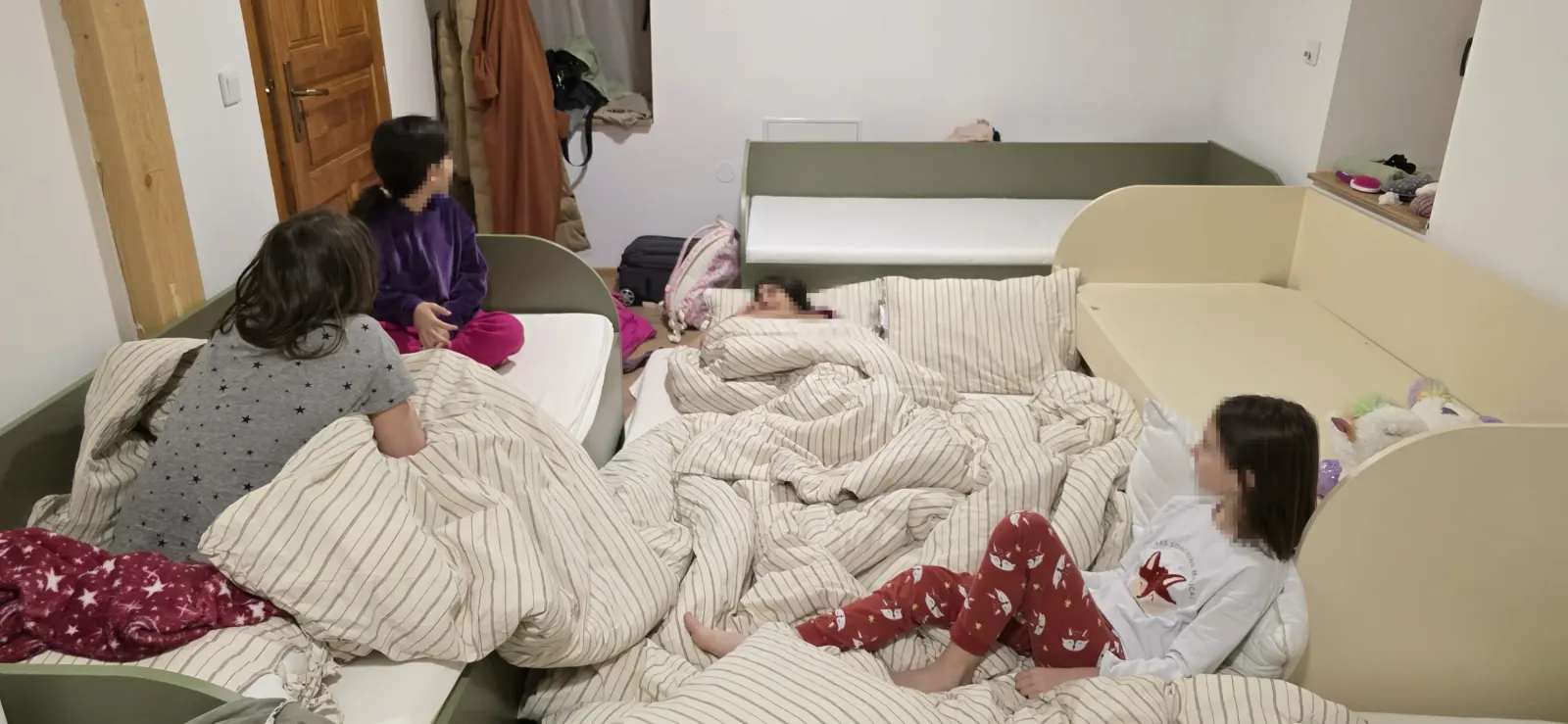
The stay program was designed to help children develop life skills, a sense of responsibility, and belonging through everyday activities – in a safe and family-like environment.
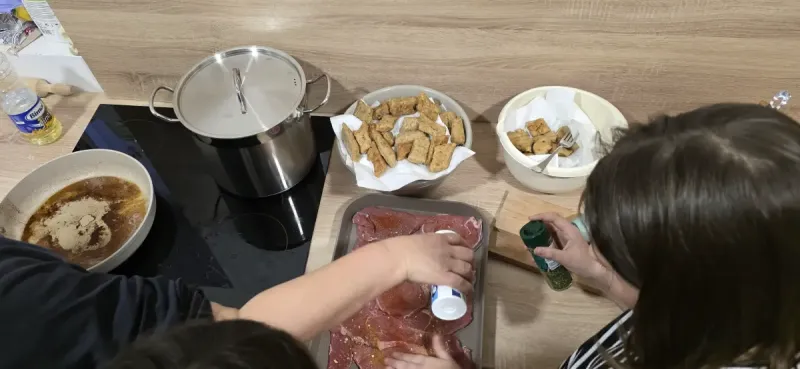
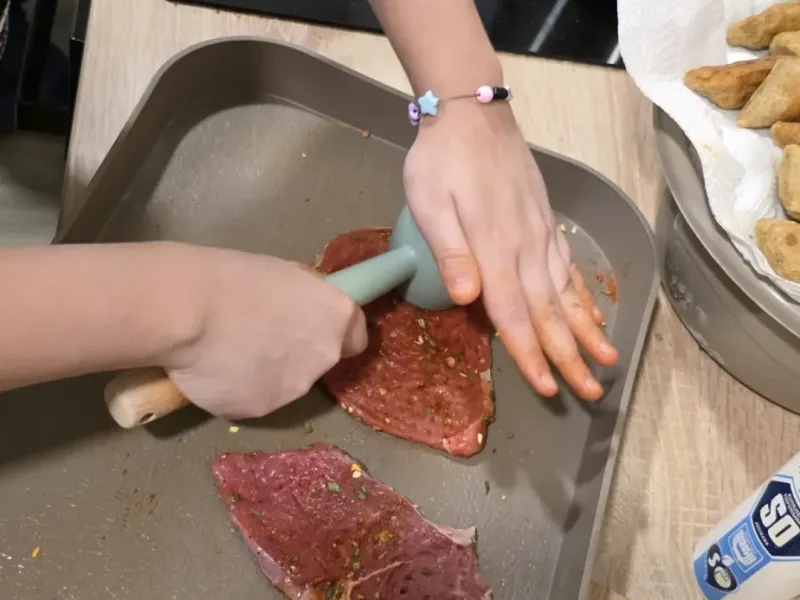
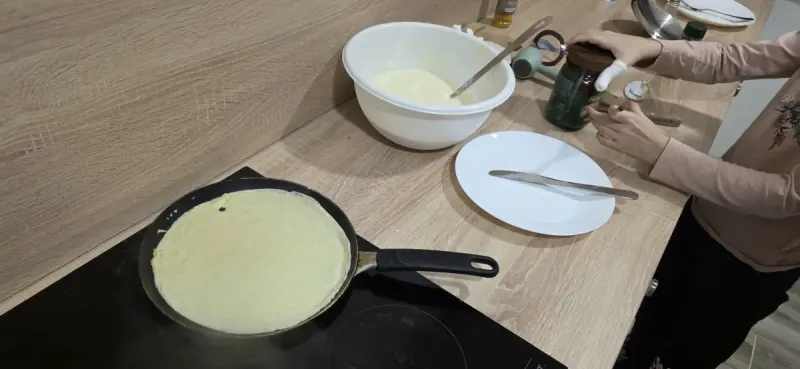
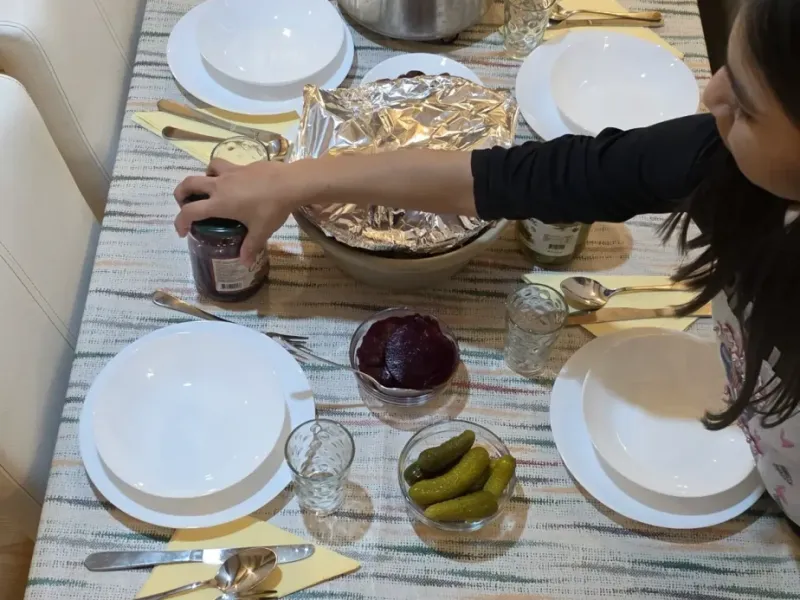
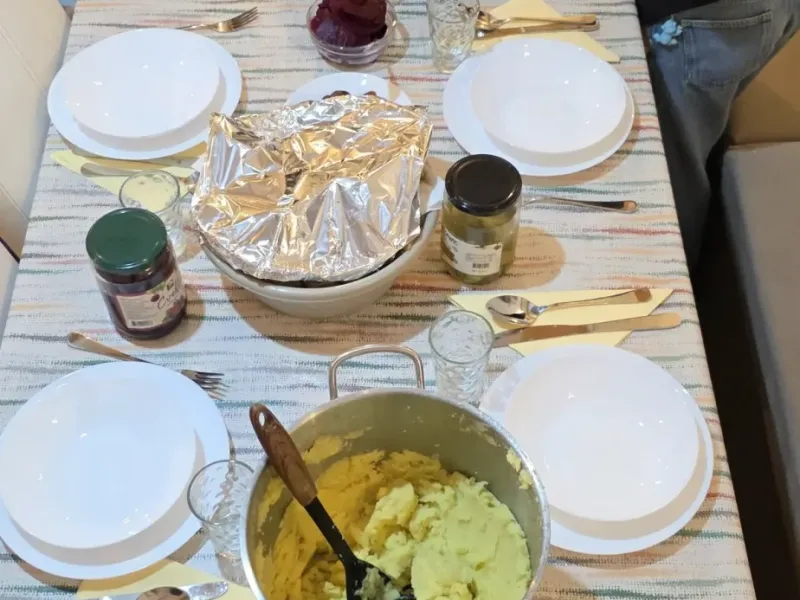
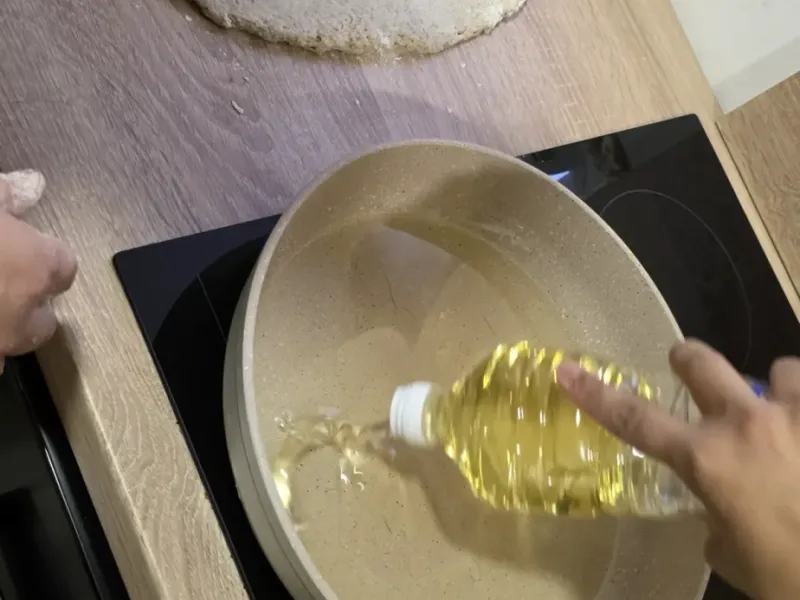
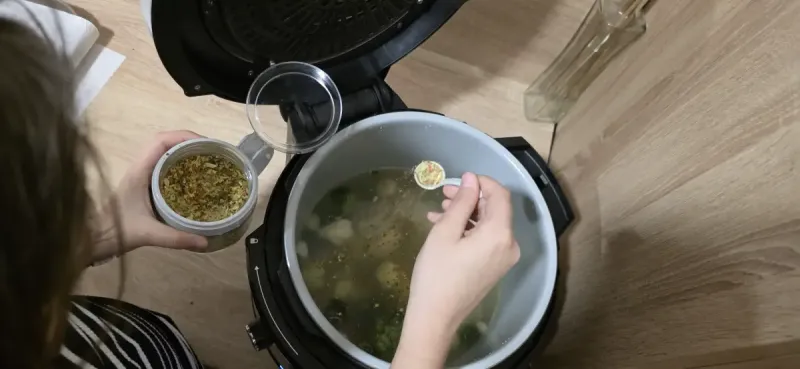
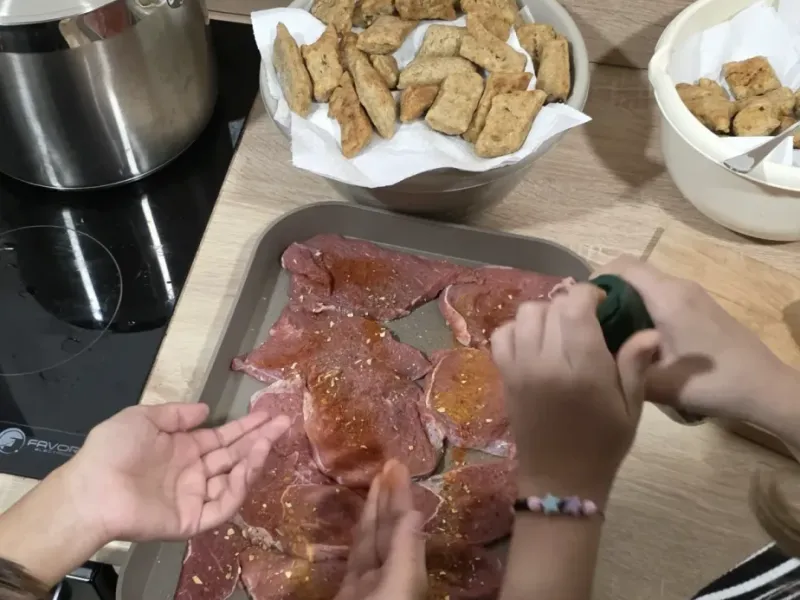
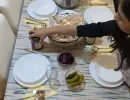
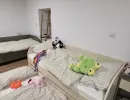
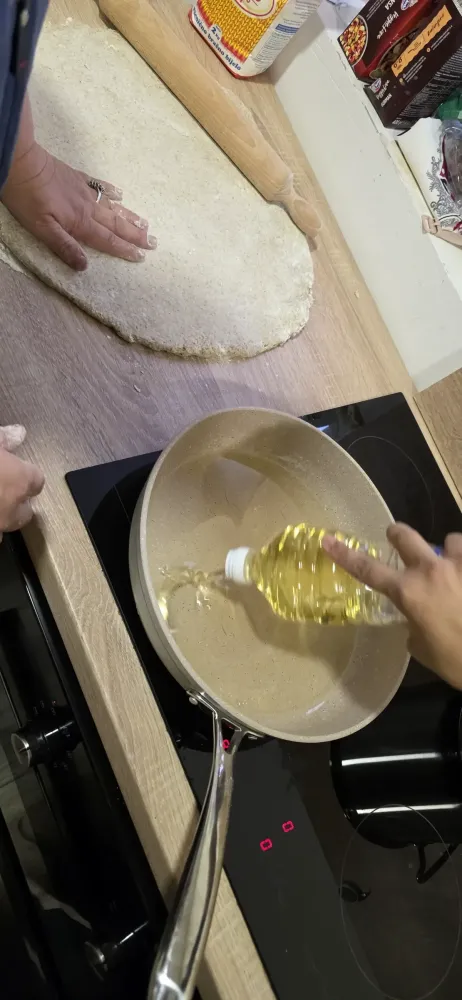
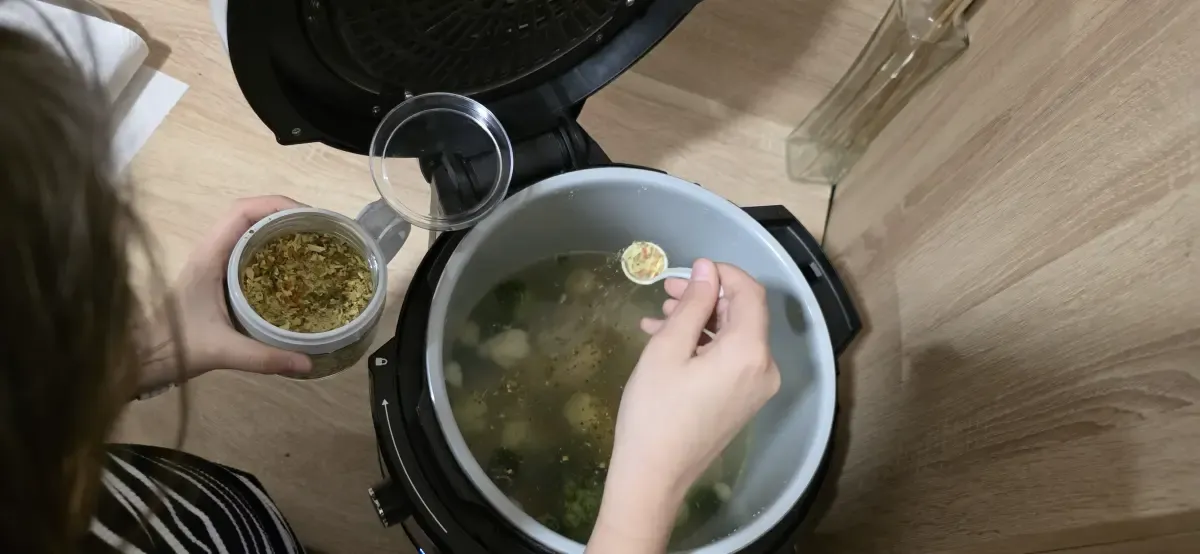
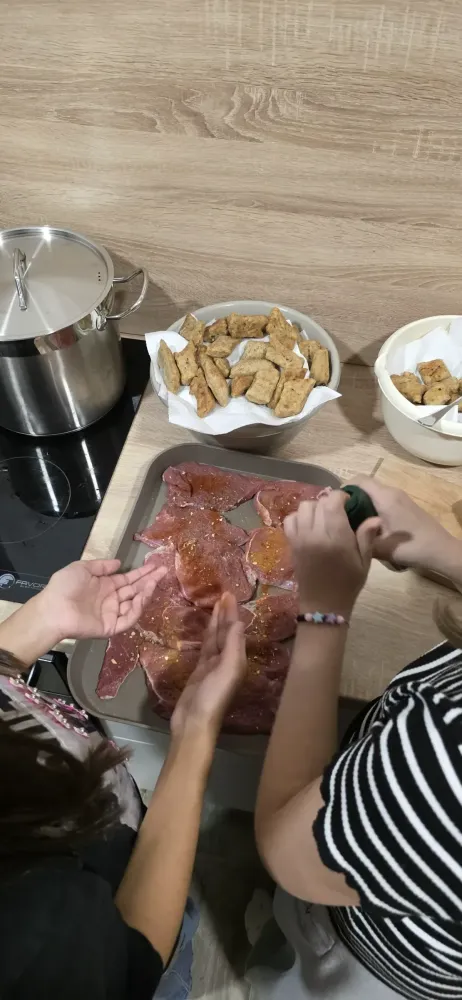
During the weekend, the girls actively participated in preparing iftar, setting the table, as well as tidying up and cleaning the house after meals, taking on responsibilities that are an integral part of everyday family life. Through this approach, children have the opportunity to learn about time management, sharing responsibilities, and caring for shared spaces.
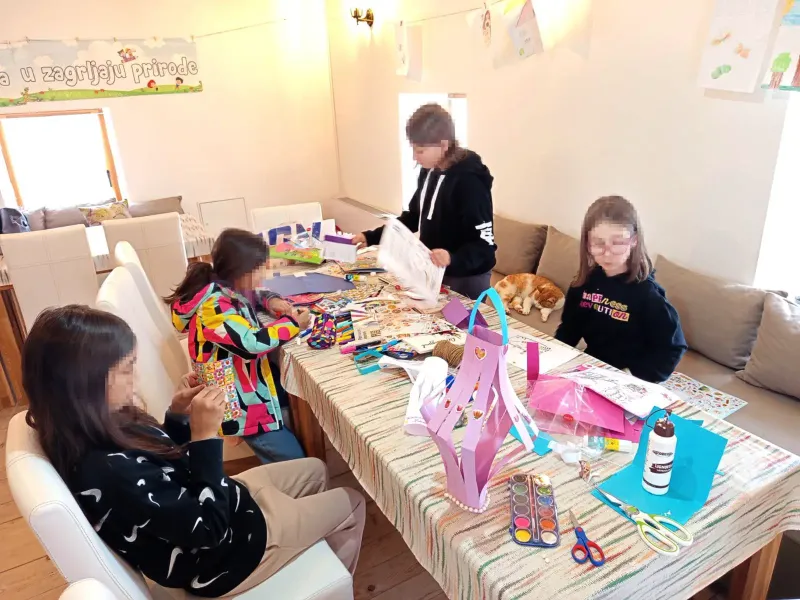
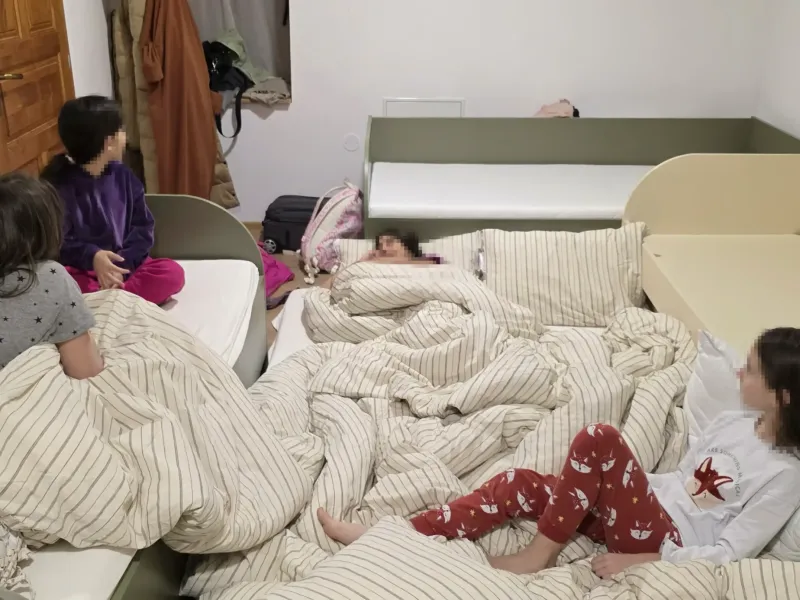
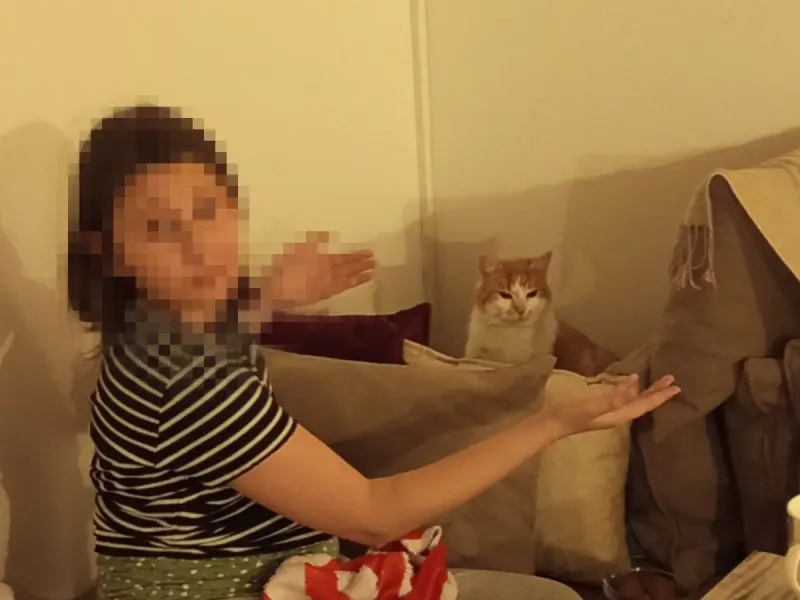
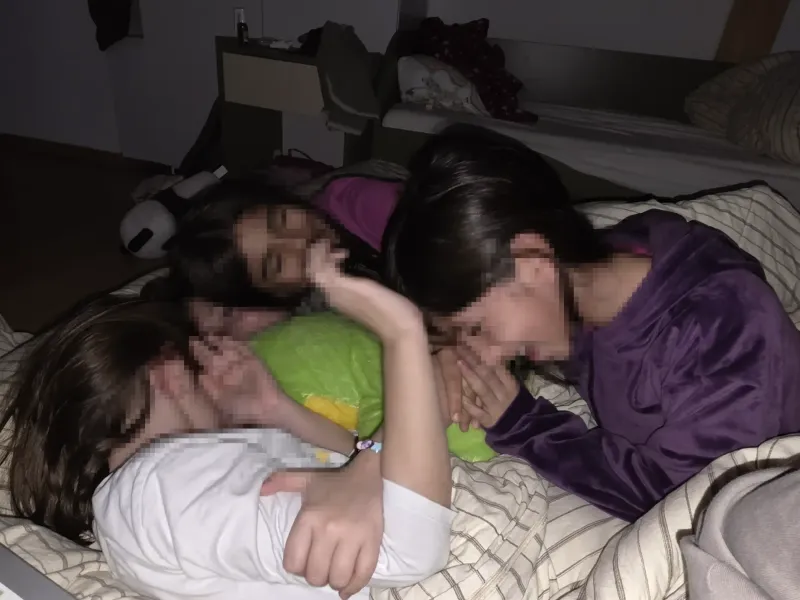
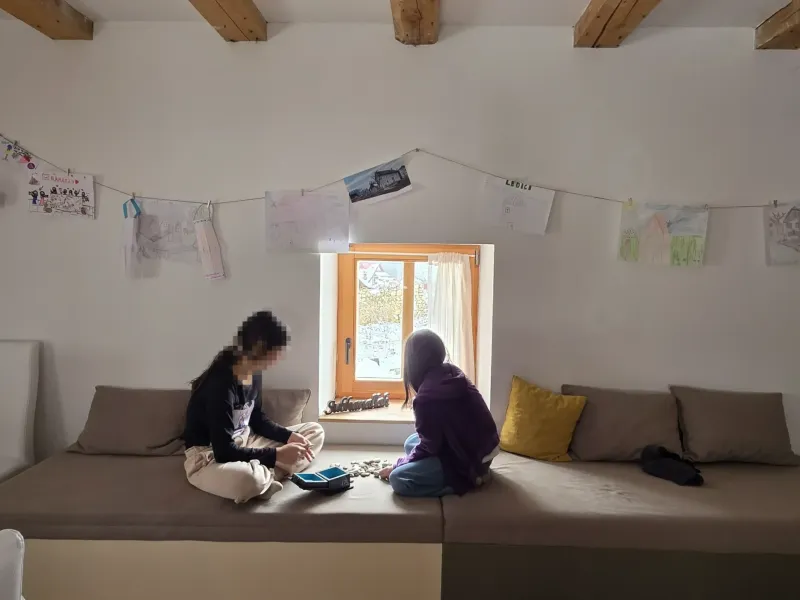
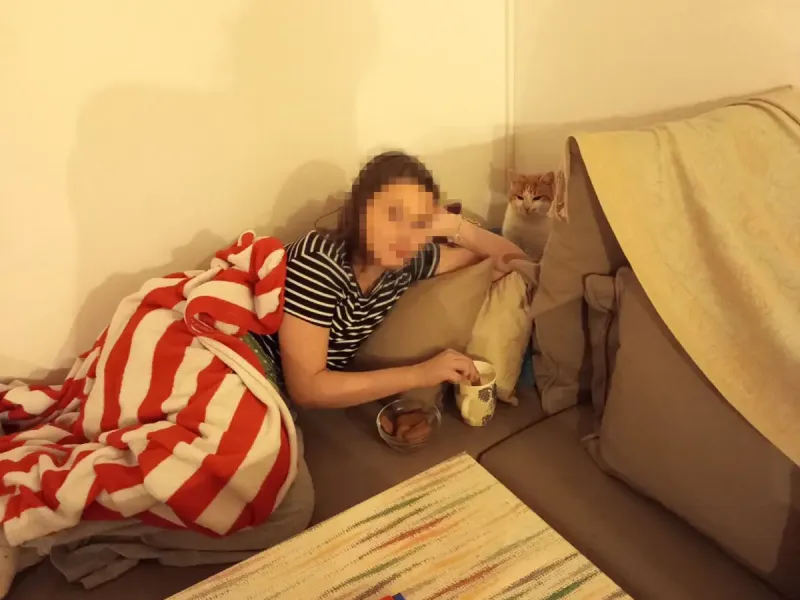
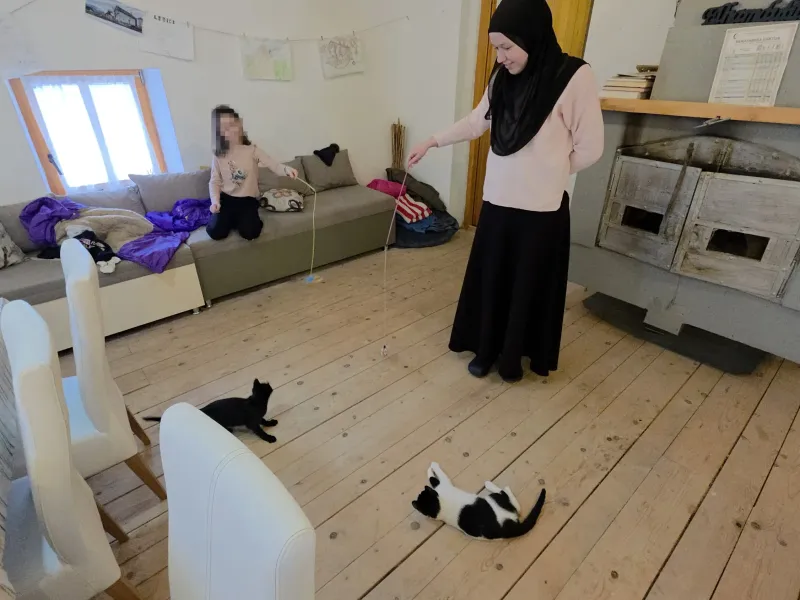
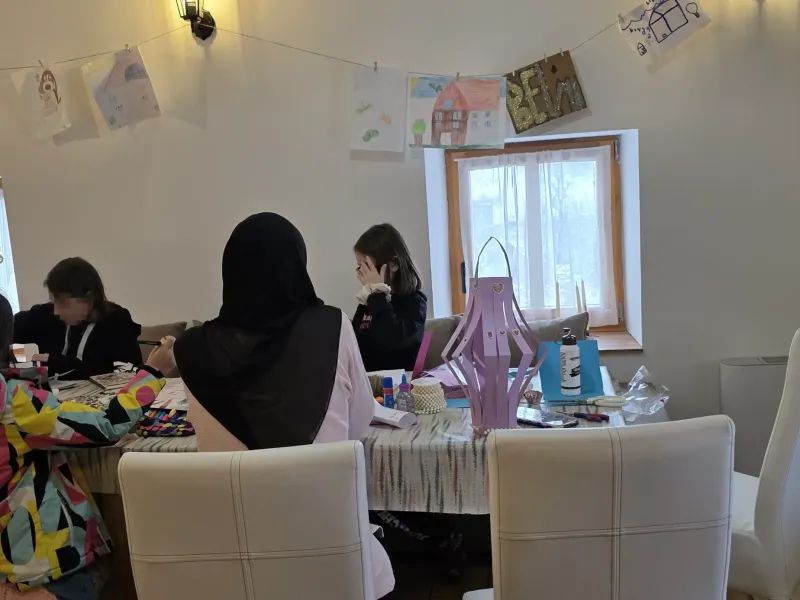
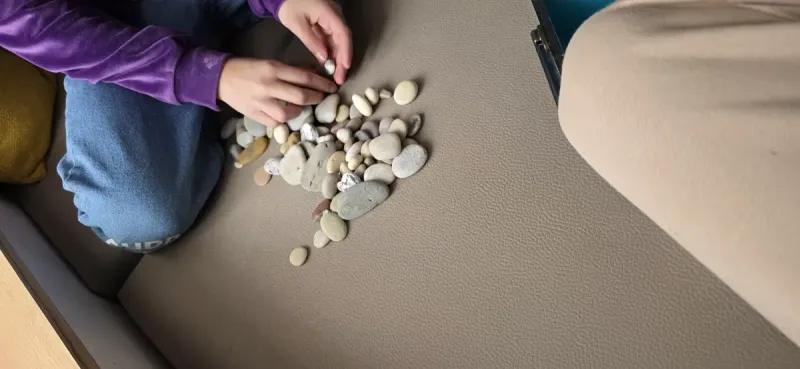
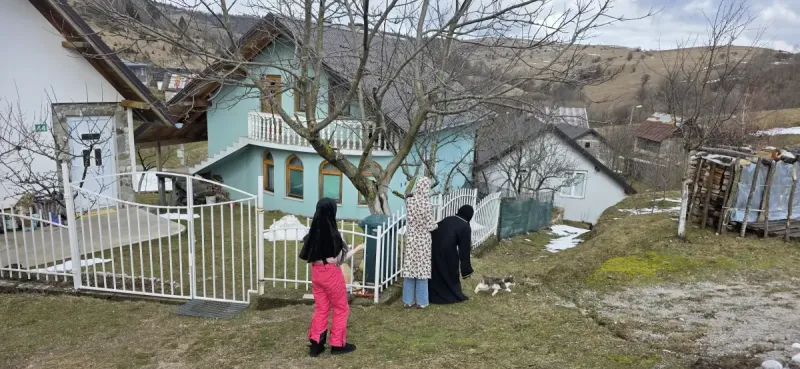
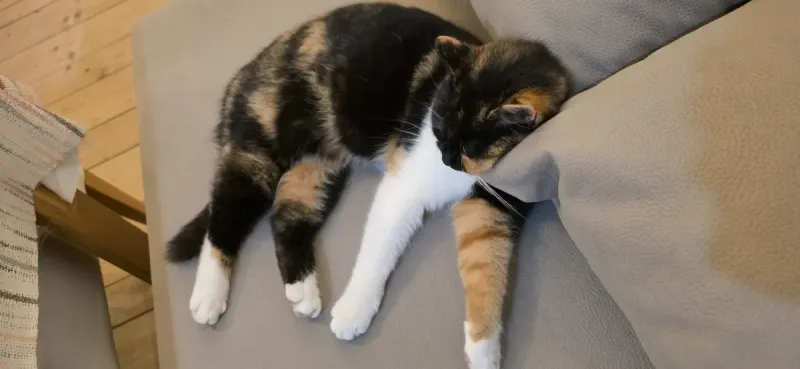
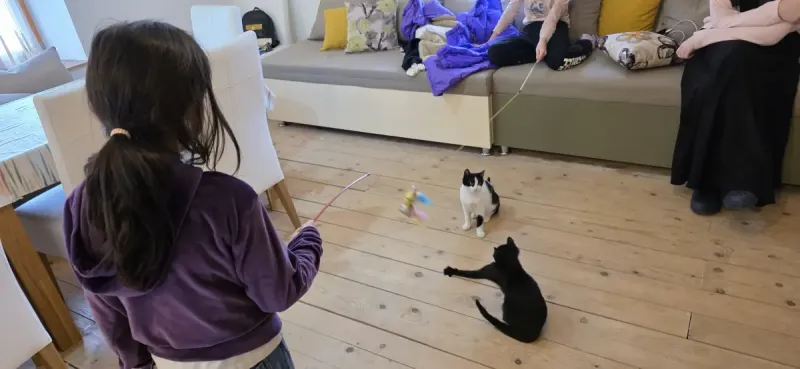
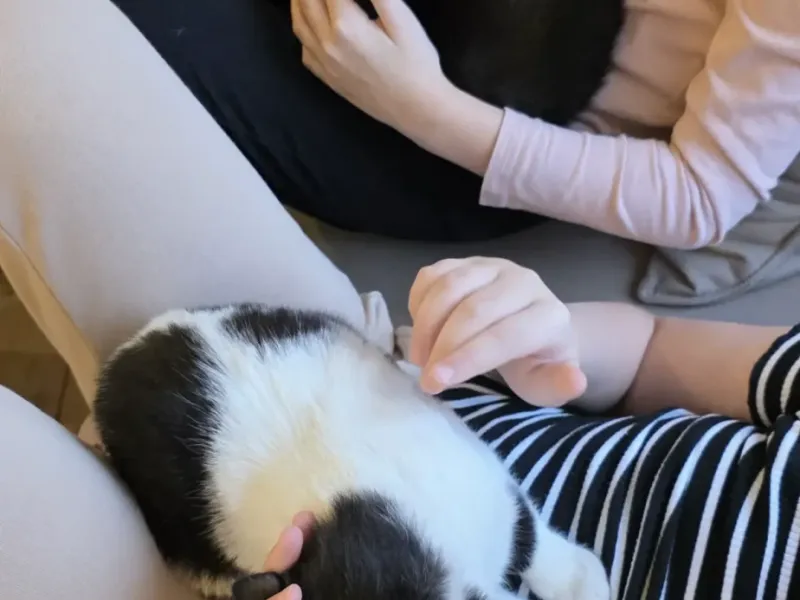
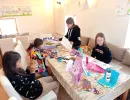
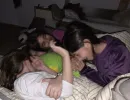
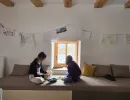
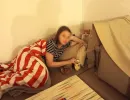
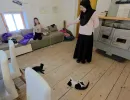
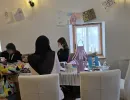




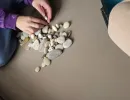





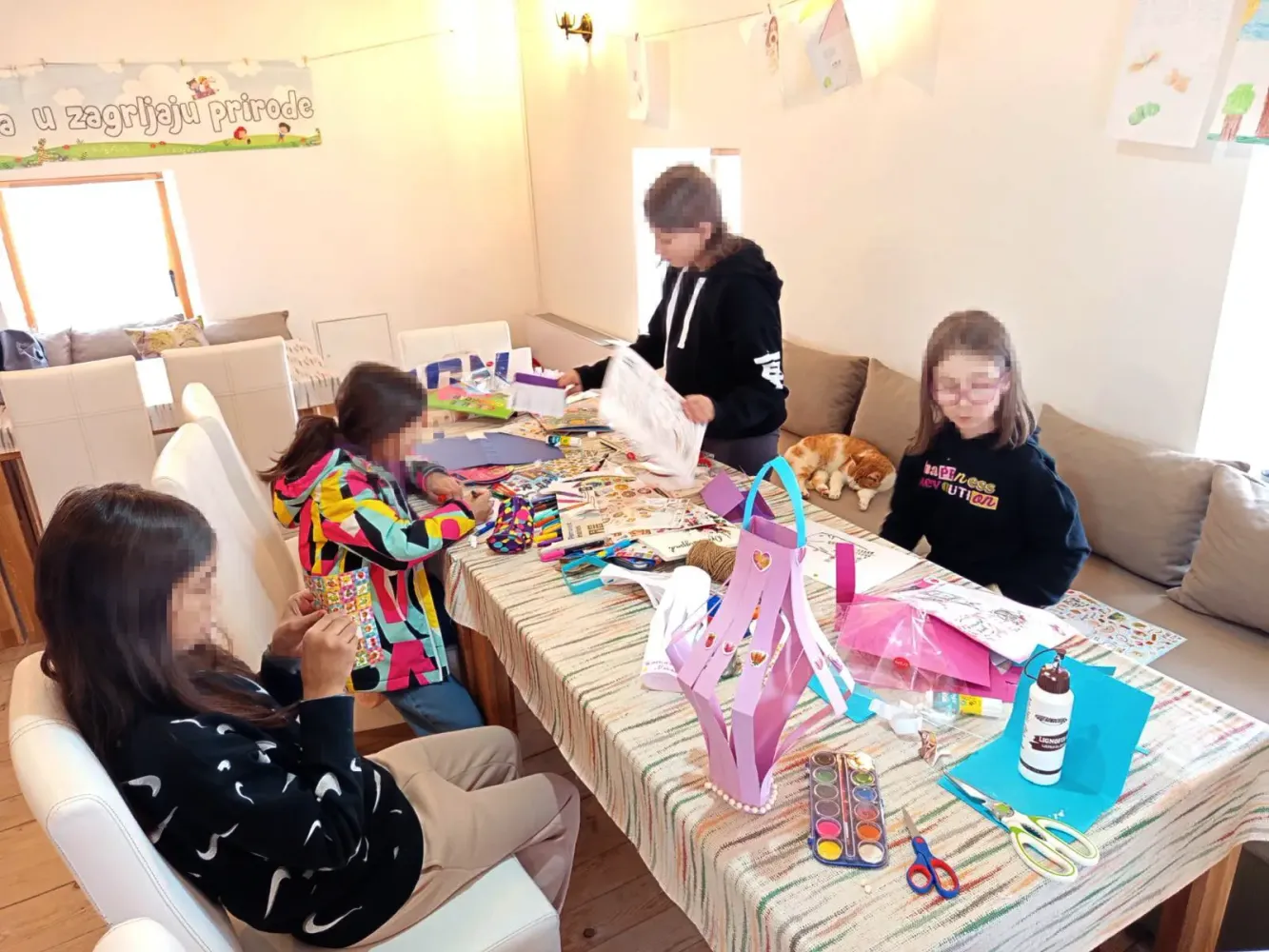
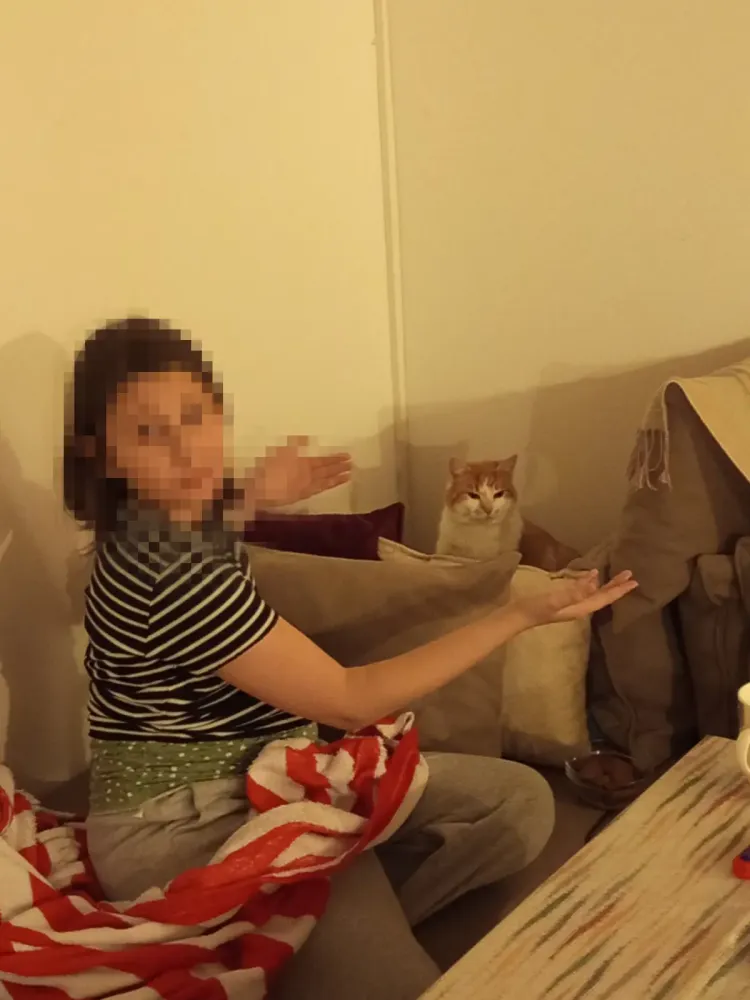
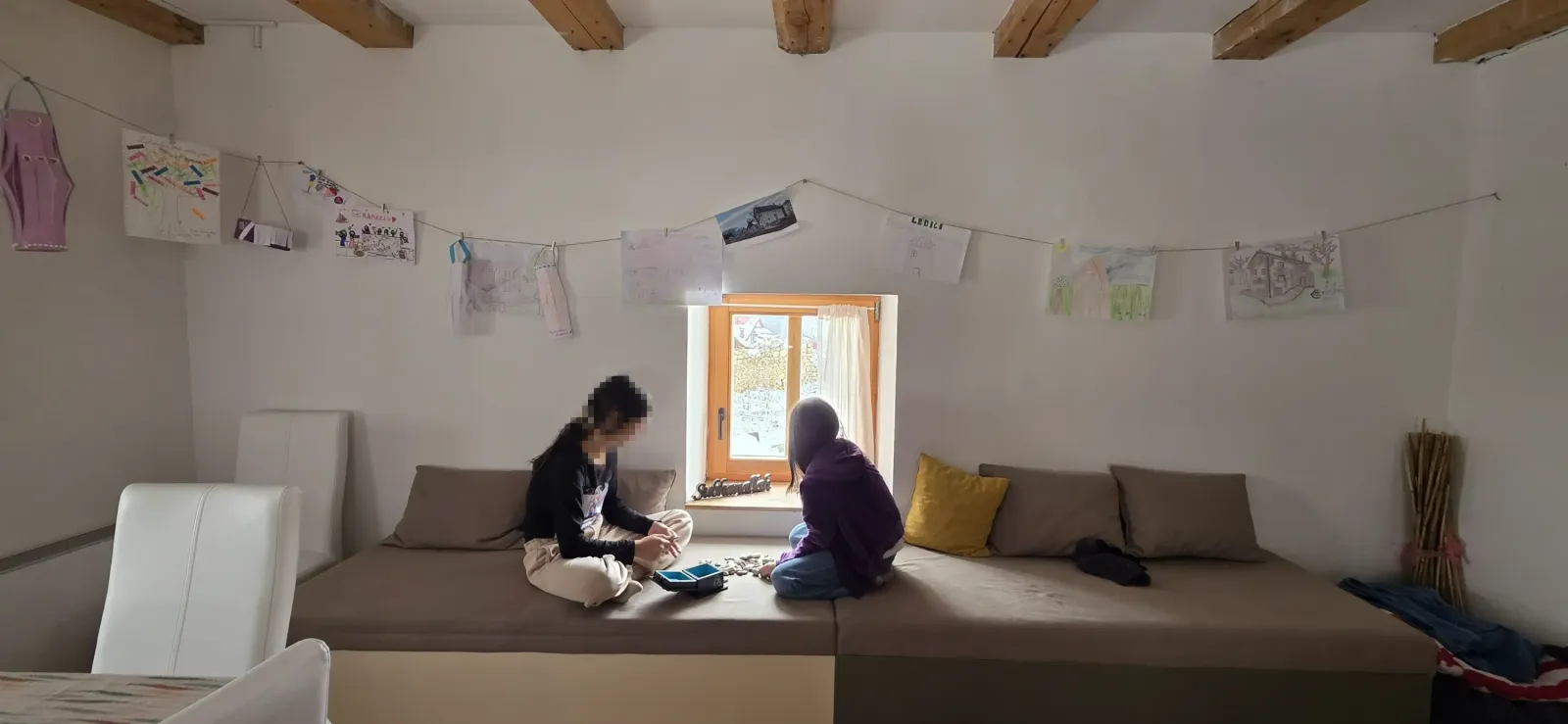
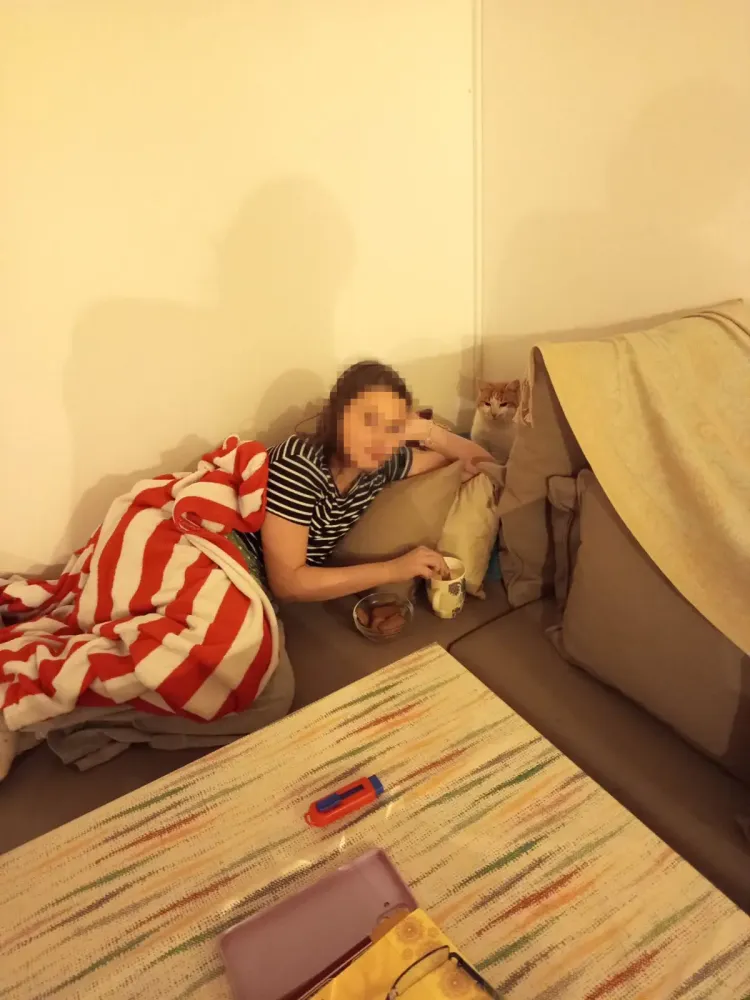
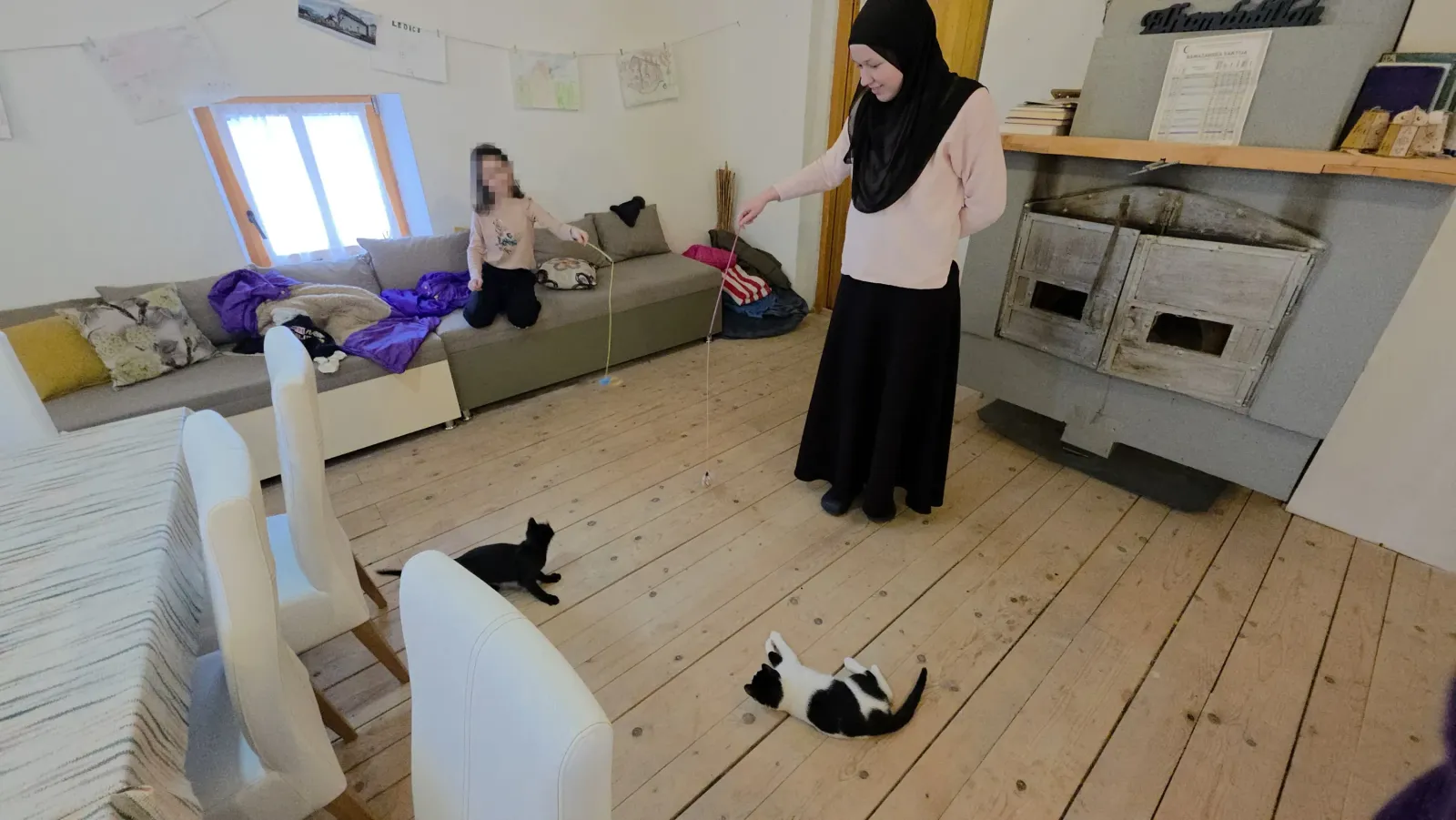
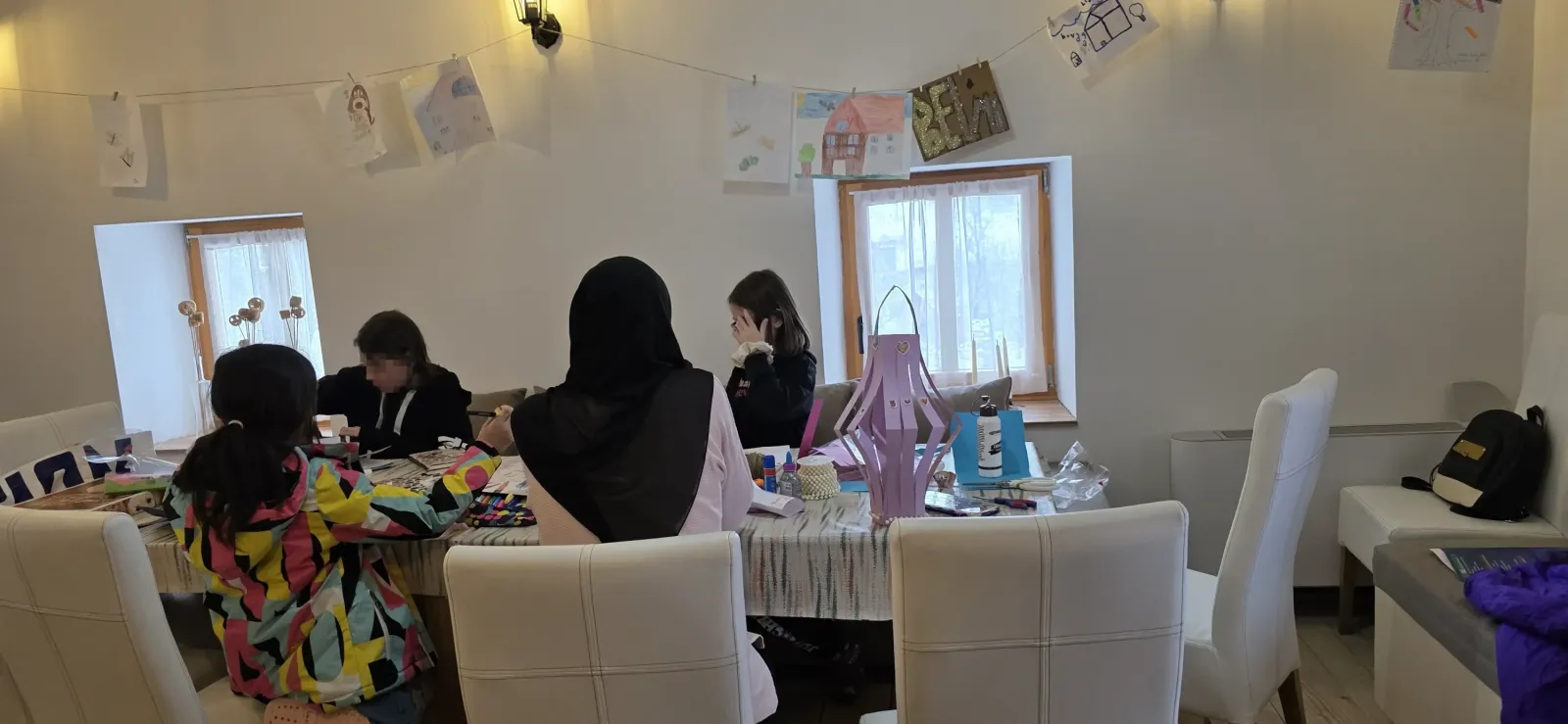
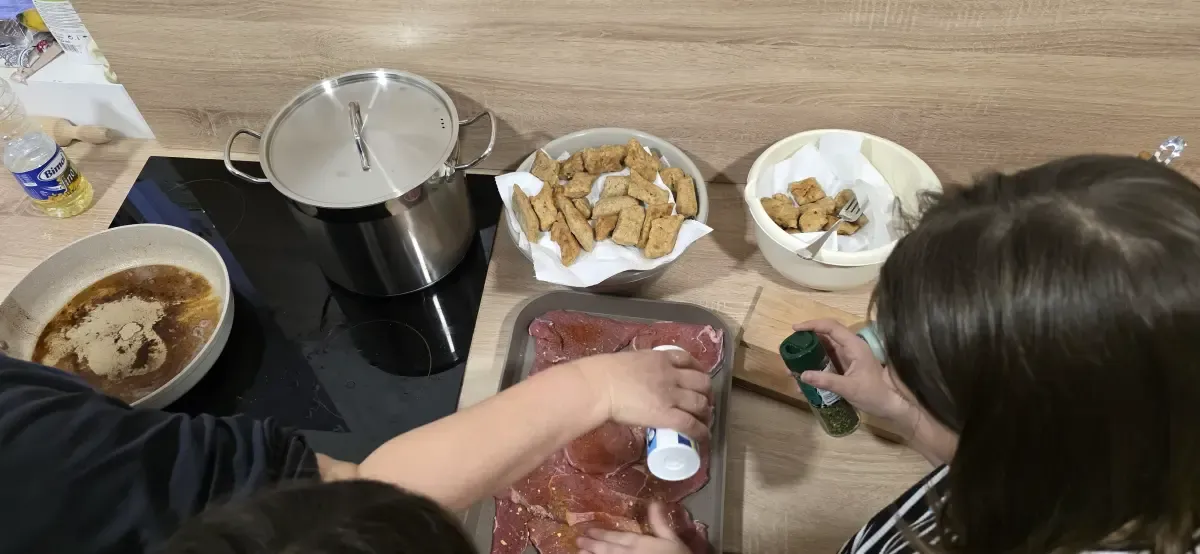
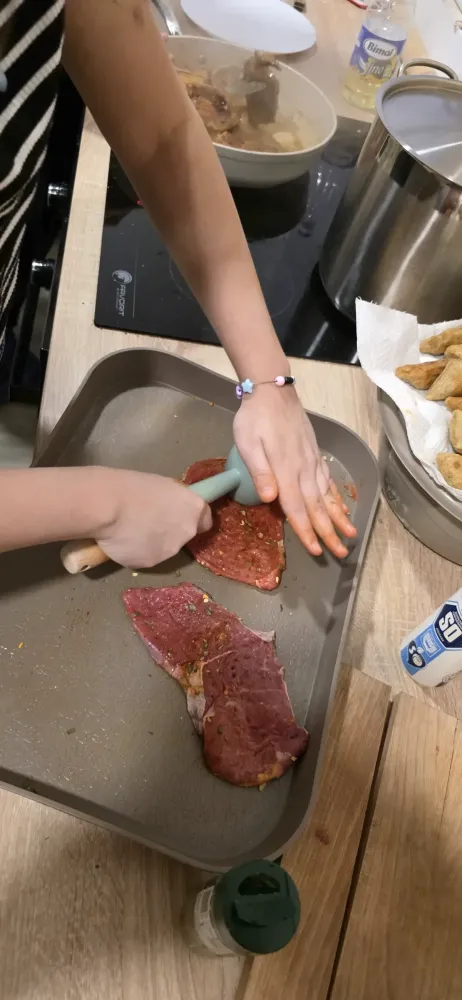
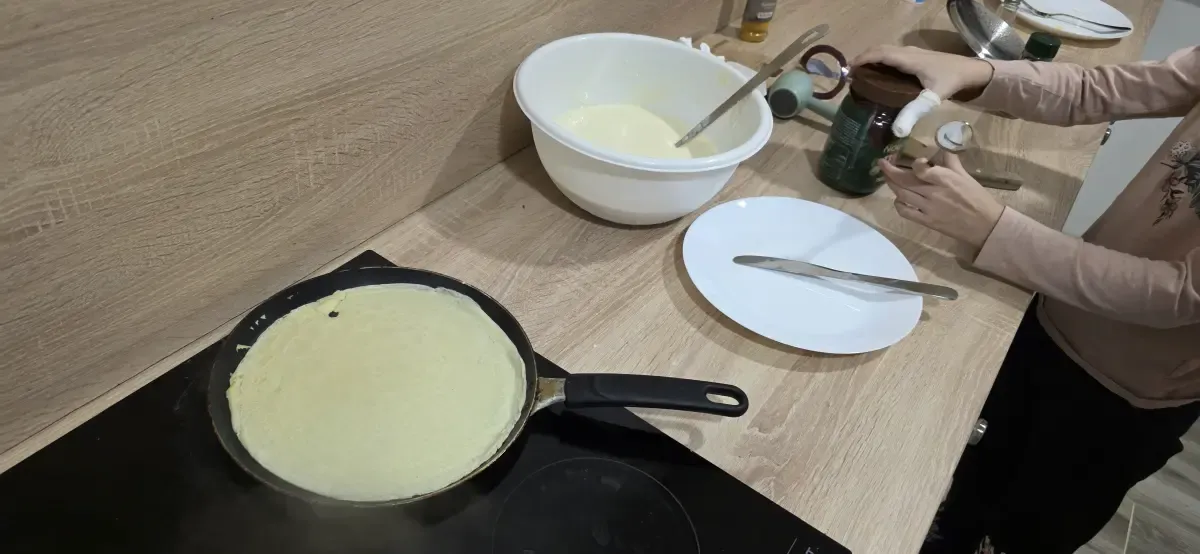
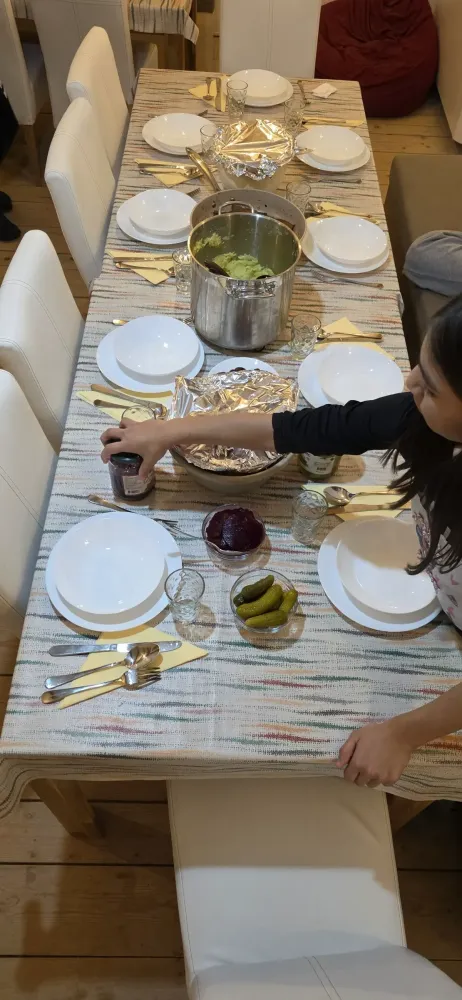
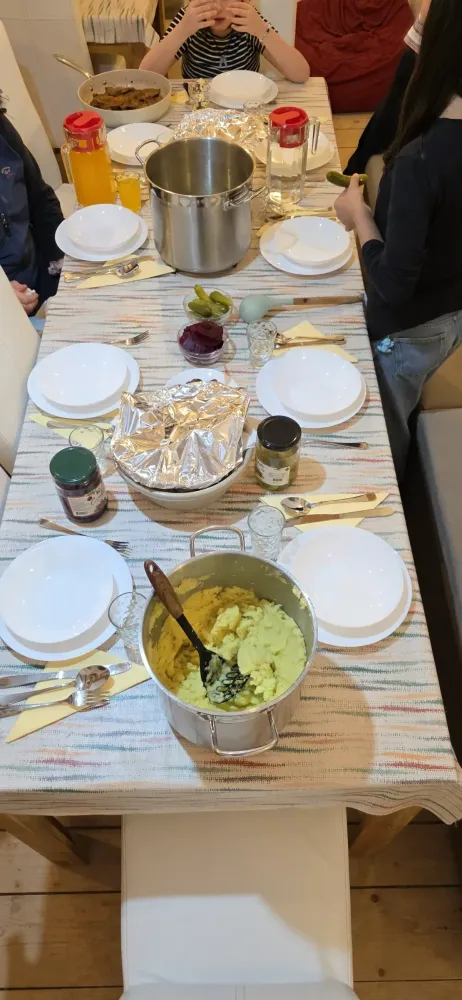
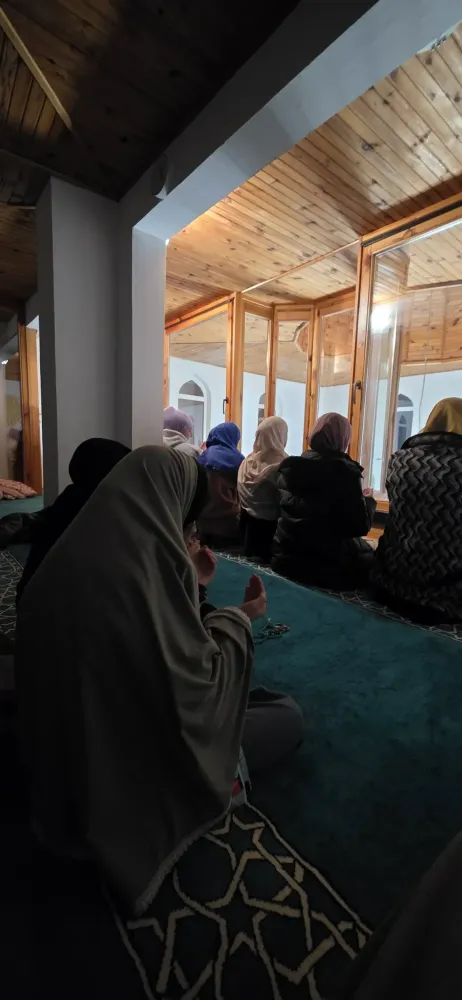
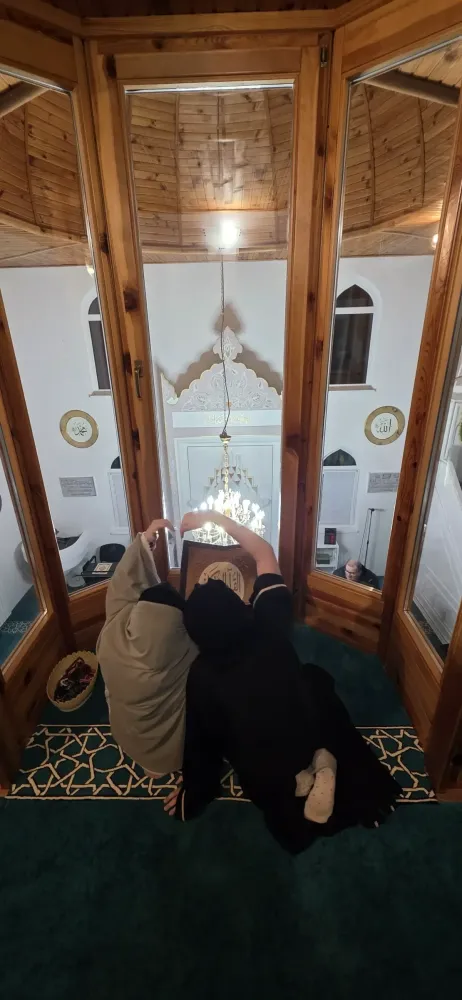
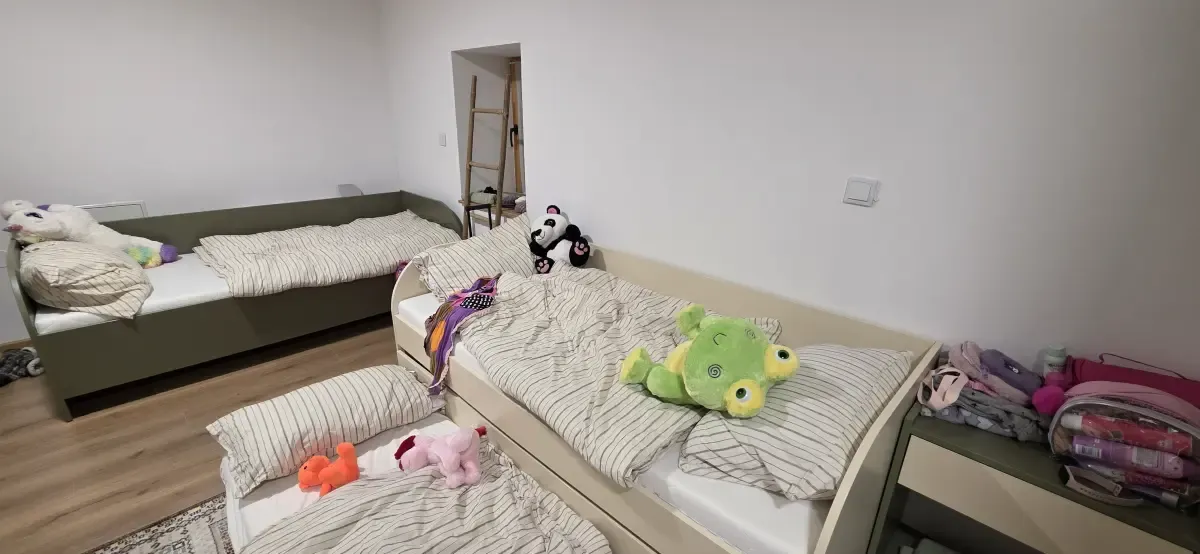
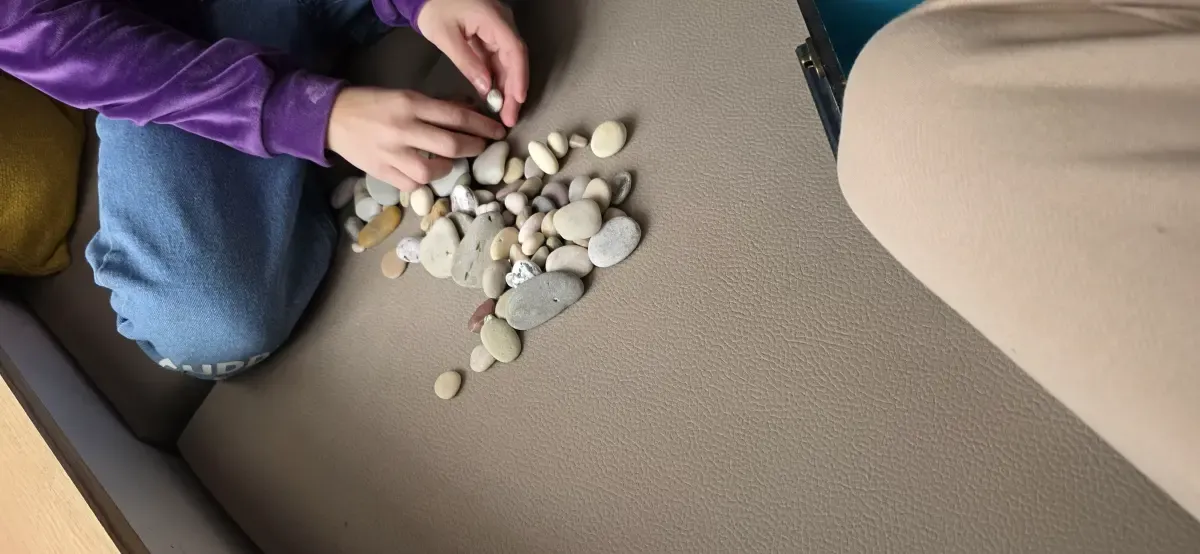
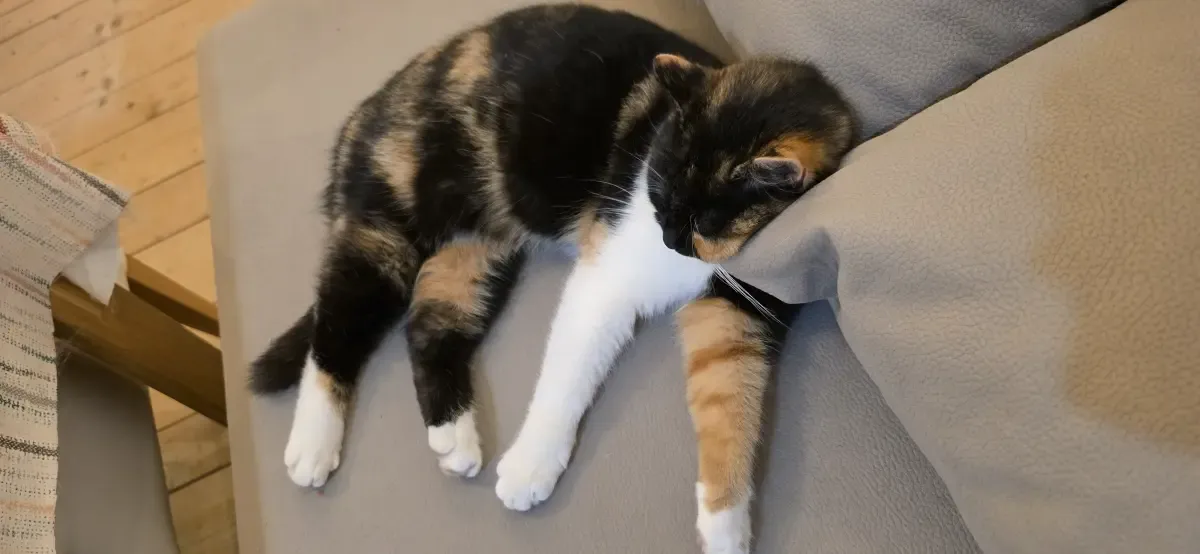
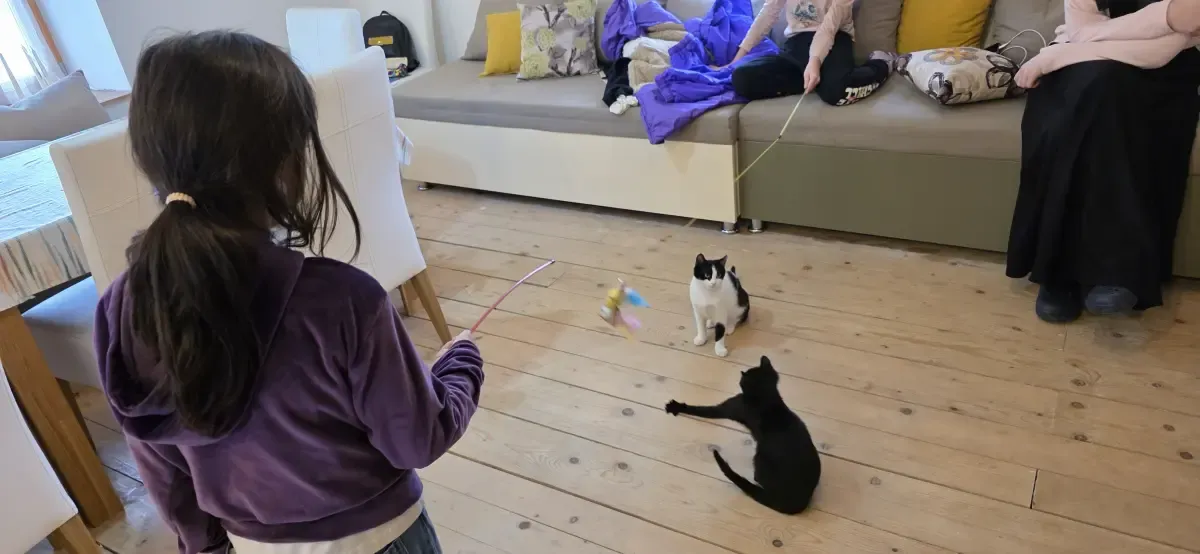
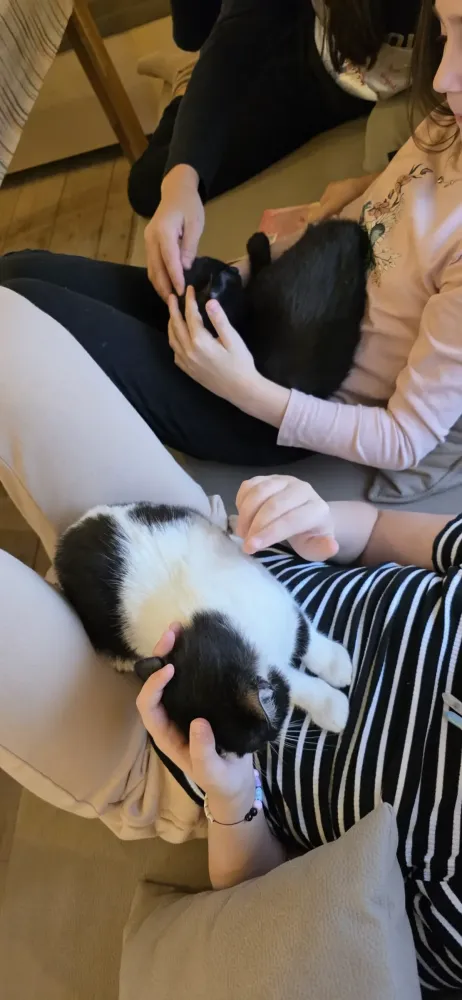
In addition to household duties, they took part in a creative workshop making Ramadan decorations, which they later placed throughout the home, enriching the space in which they stayed. The time before iftar was spent socializing and playing with kittens in the Mini Cat Barn – a space dedicated to feline therapy, which represents an important segment of psychosocial support through the development of empathy, a sense of security, and stress reduction.
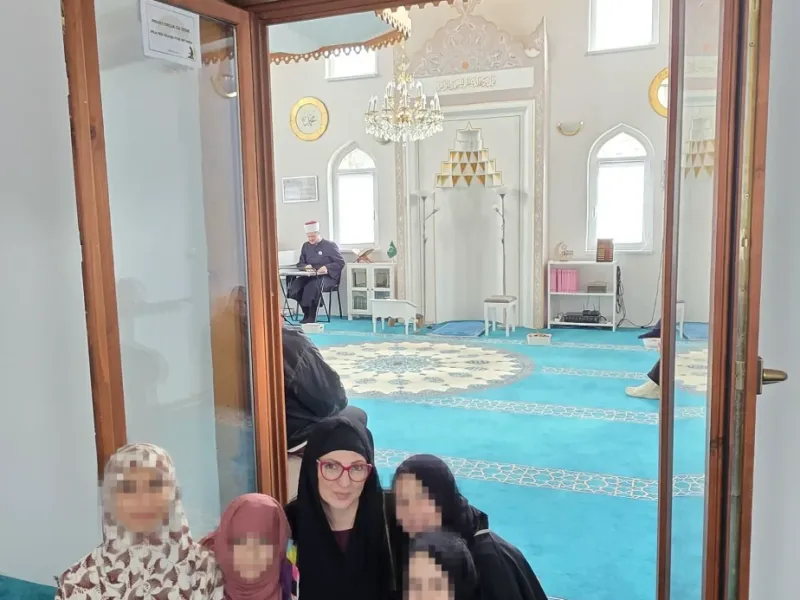
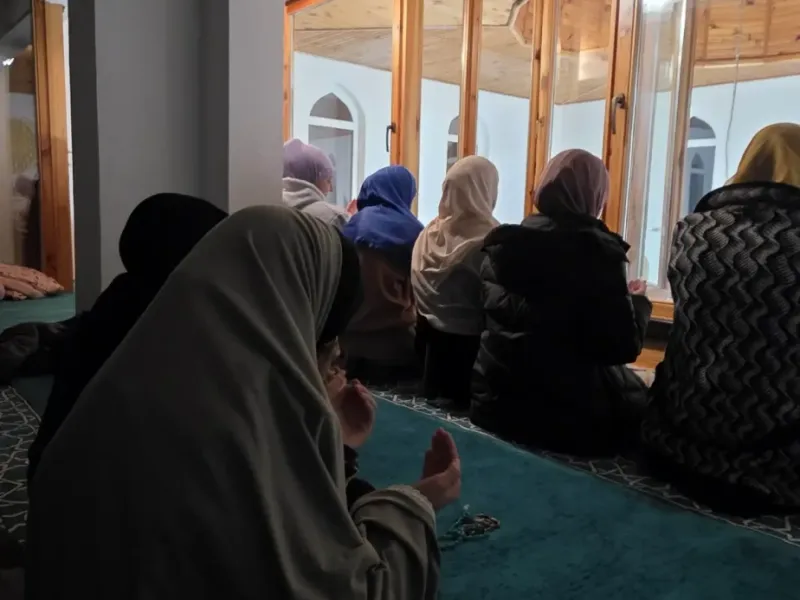
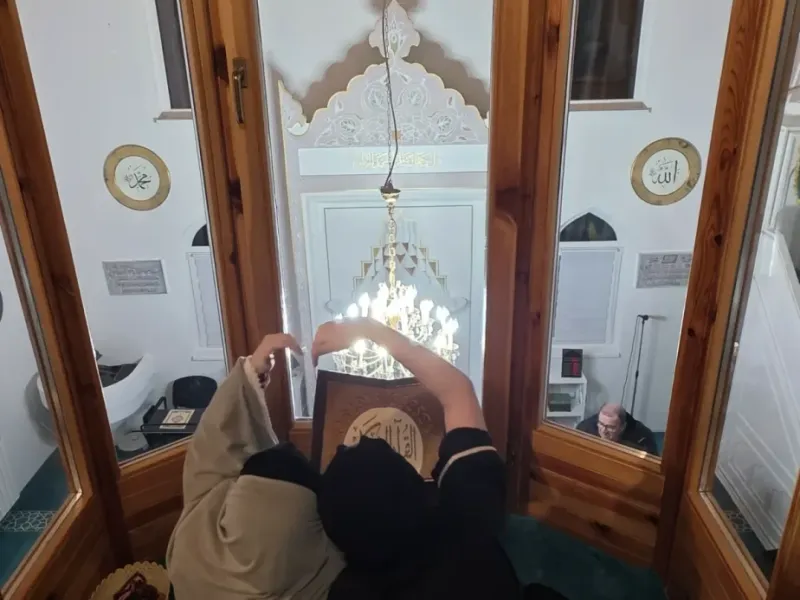
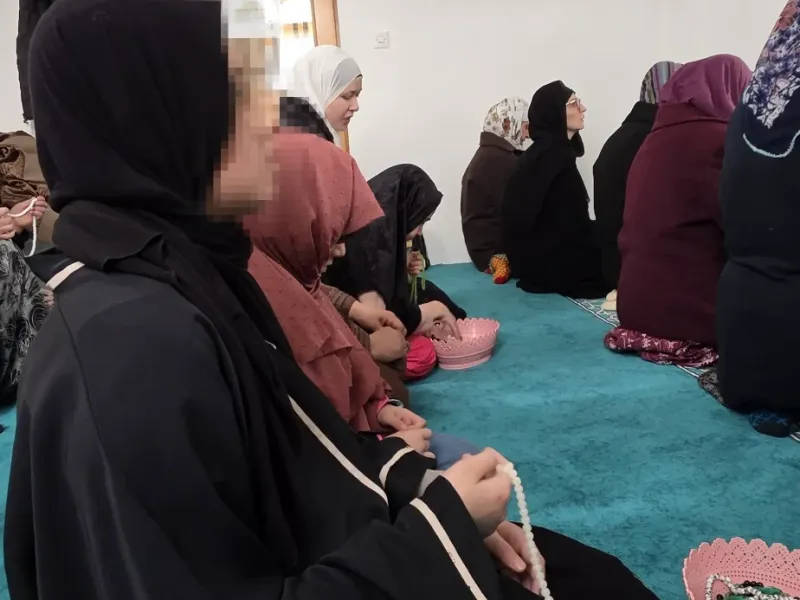
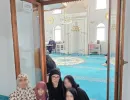
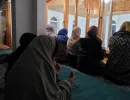
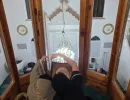
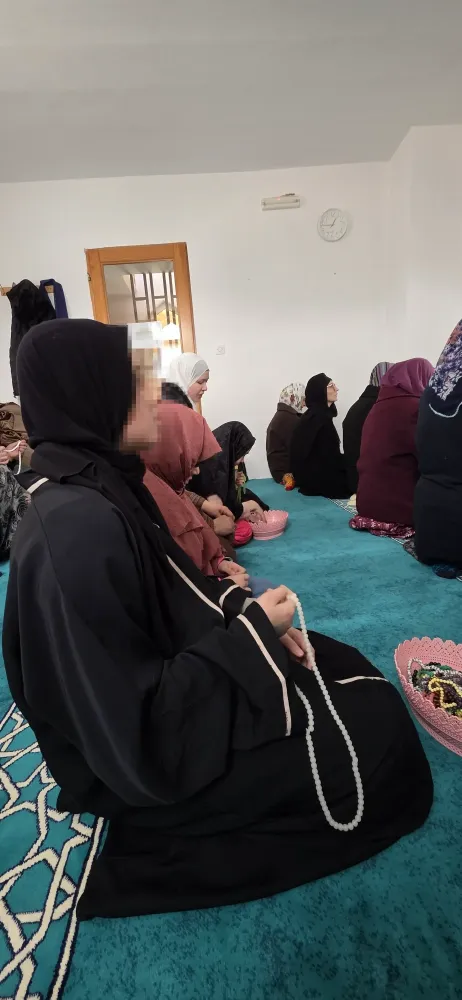
The stay in Ledići was structured through daily routines that included performing prayers together, reading the translation of the Qur’an, and listening to recitations of surahs. The girls performed Isha and Taraweeh prayers in congregation at the mosque in Dejčići, together with Foundation Second volunteers – Sara Adilović, a student residing at the Qatar Charity student dormitory, and Senada, a participant in Qur’an classes at Bistri Izvor.
Nature as a component of psychosocial support
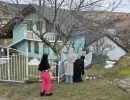
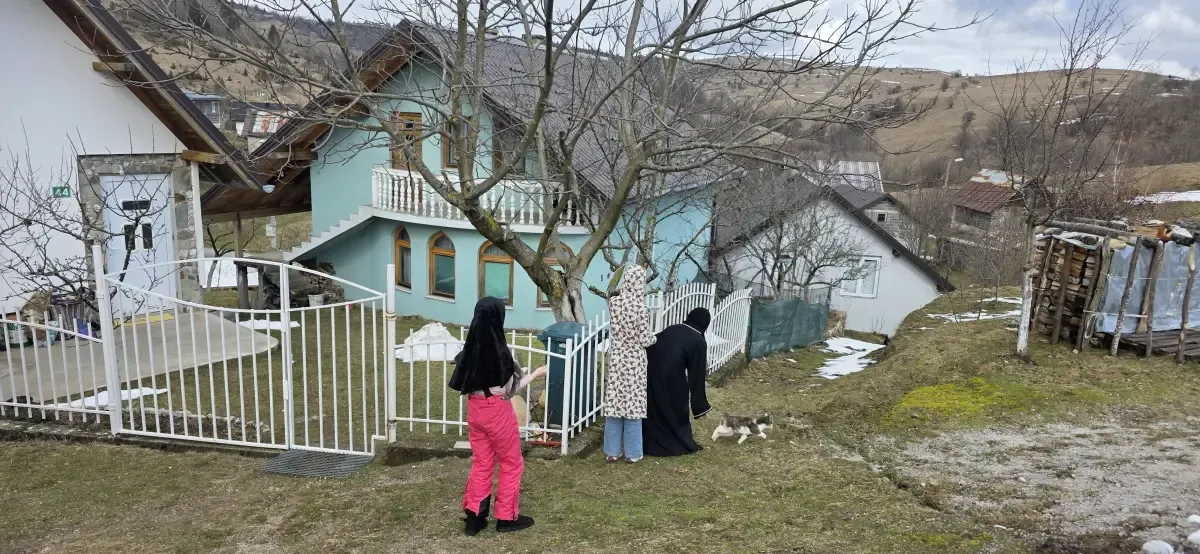
A special moment occurred during suhoor, when the girls, on their way back to their rooms, had the opportunity to see a fox that often visits the surroundings of the Small Family Home. Interaction with this animal further enriched their stay in the natural environment and left a strong impression on the children.
On the second day of the weekend, they were joined by children from the Small Family Home in Sokolović Kolonija, with whom they continued socializing and shared activities. After the joint iftar, they once again attended Isha and Taraweeh prayers together before returning to their homes.
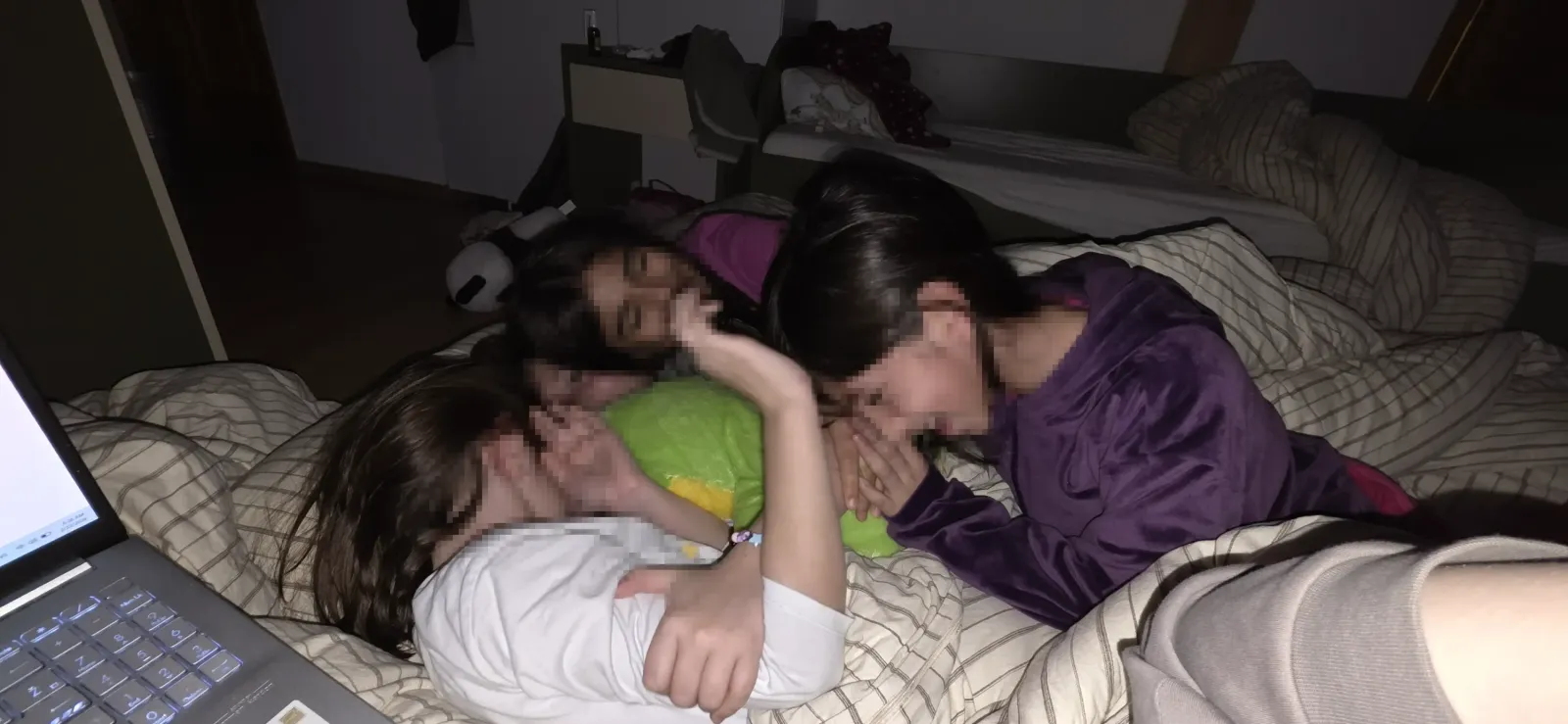
The significance of their stay in Ledići was evident from their reactions upon returning – some of the children cried on the way back to the Home because their experience had been so meaningful and because they already felt how much they would miss their time in Ledići.
According to the Director of Foundation Second, Belma Mujezinović, such stay programs represent an important segment of support for children growing up in the alternative care system:
“Through weekend programs like these, children have the opportunity to participate in everyday activities that are an integral part of family life – from meal preparation to caring for the space in which they stay. Through such experiences, they develop a sense of responsibility, independence, and belonging, which is of great importance for their emotional stability and the process of reintegration into biological, kinship, or foster families.”
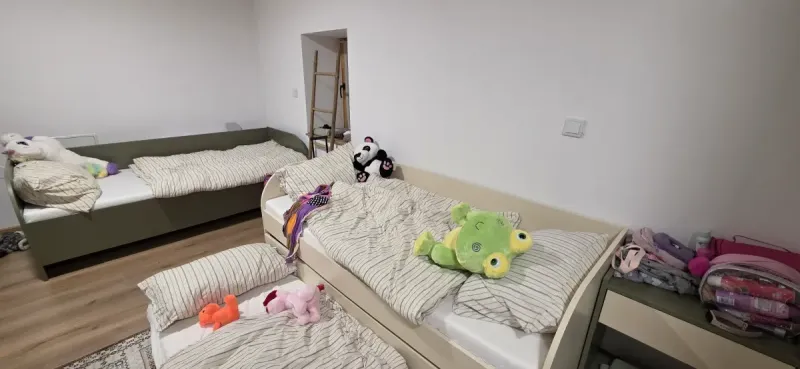
Stay programs at the Small Family Home in Ledići enable children without parental care to temporarily experience everyday life in an environment that simulates family dynamics – through sharing responsibilities, organizing time, caring for shared spaces, and mutual support. Staying in a natural and safe environment, with structured activities and continuous adult support, has a long-term positive impact on children’s mental health and their ability to cope with the challenges of growing up within the alternative care system.