


"Can this be my home?" one girl asked quietly, looking around.
"I would love to live here too," another added, as if checking whether she was allowed to say that wish out loud.
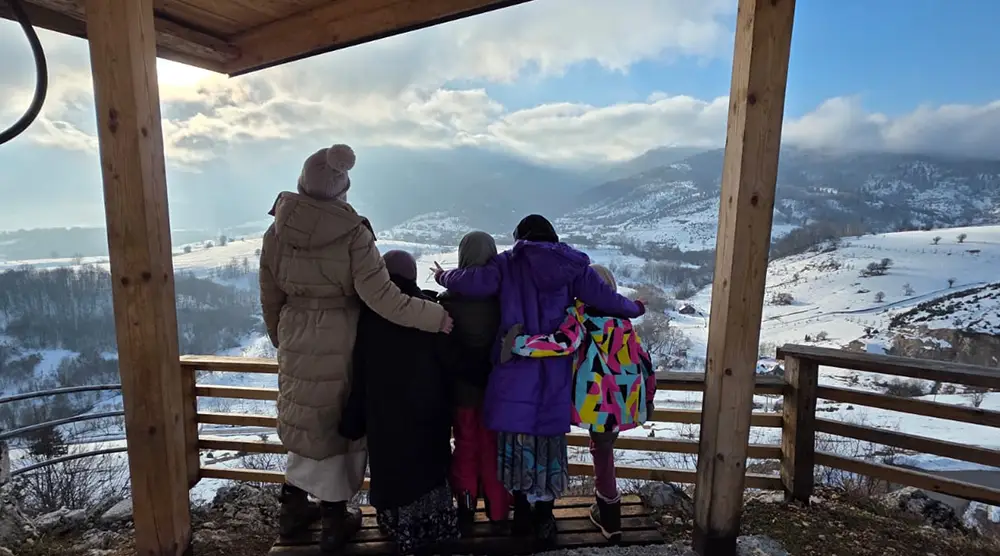
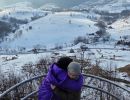
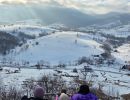
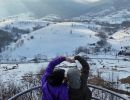
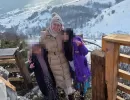
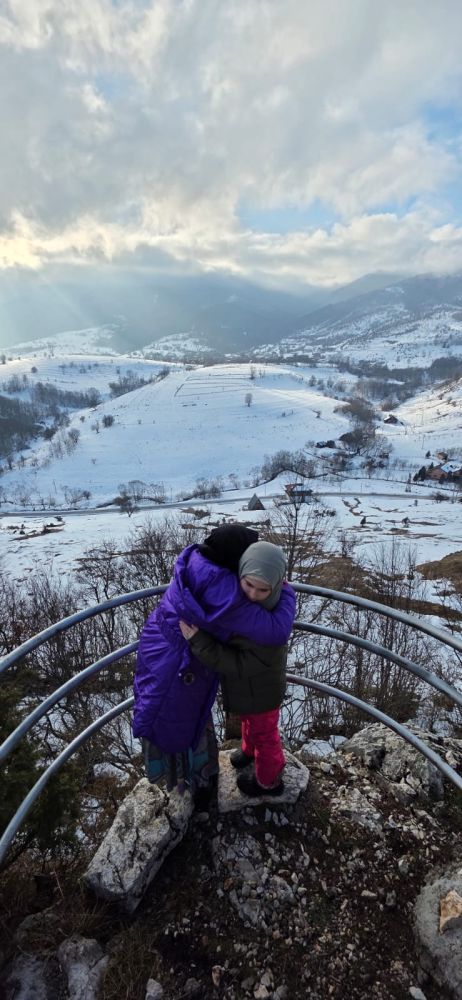
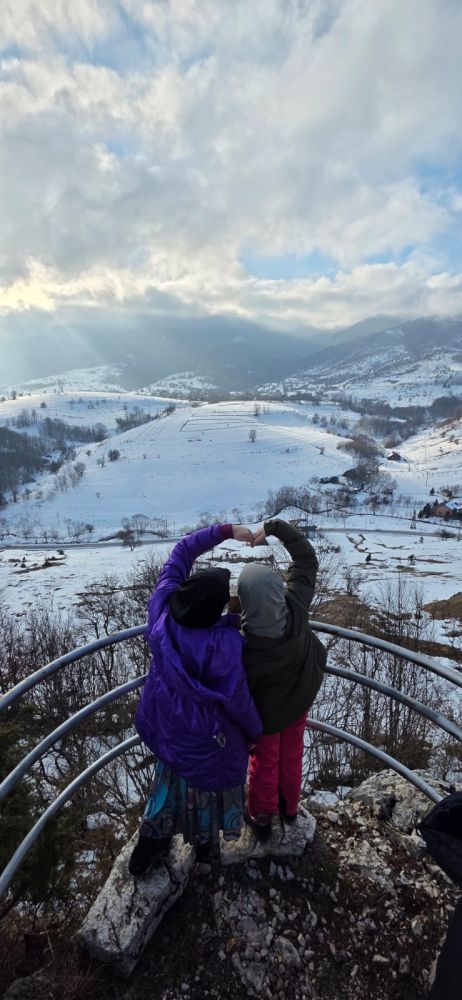
This is Ledići. A small village on Bjelašnica Mountain where, far from the city noise and everyday pressures, the Small Family Home is located – a place where children without parental care, children from families at risk of separation, and children with developmental difficulties spend their free time. A place that does not try to replace a home, but often awakens the feeling that home can also be a space where you are seen, safe, and accepted.
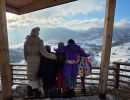
Last weekend, four girls stayed in Ledići: two from the Home for Children Without Parental Care in Bjelave, one from the Small Family Home in Marijin Dvor, and one from the Small Family Home in Sokolović Kolonija. They were accompanied by the Director of Foundation Second, Belma Mujezinović, and volunteer Ajla Đulić, a psychology student at the Faculty of Philosophy in Sarajevo, who currently resides at the Qatar Charity Student Dormitory.
Spending Time with the Cats
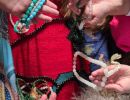
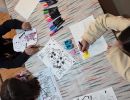
All four girls have been regularly attending weekend sufara classes since last year at the Bistri Izvor Association, led by the Director of Foundation Second. They are currently on a school break and there are no classes, with the new cycle starting next weekend. Their stay in Ledići was an opportunity to revise previous lessons in a calmer environment, while naturally integrating learning into everyday life – without pressure, through conversation, play, and shared time.
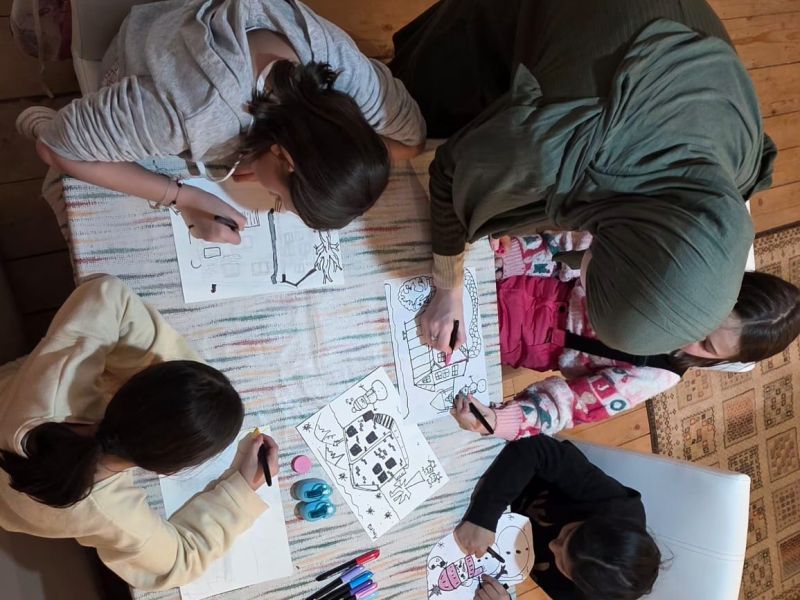
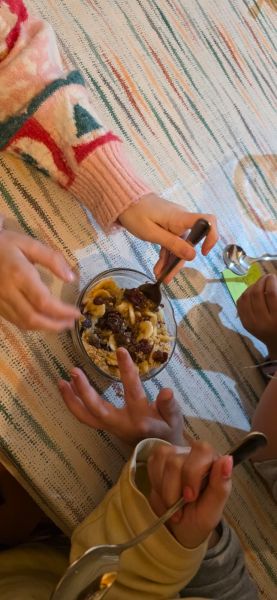


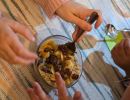
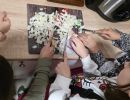
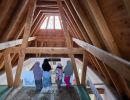
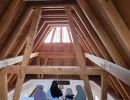
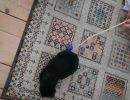
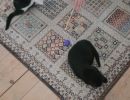

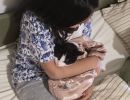
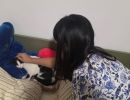

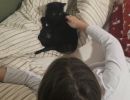
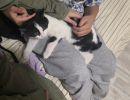
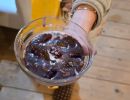
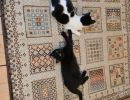
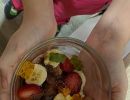
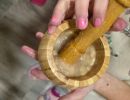

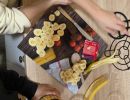
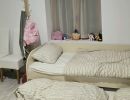
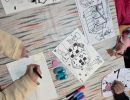
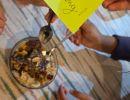
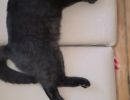
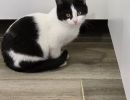
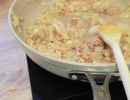
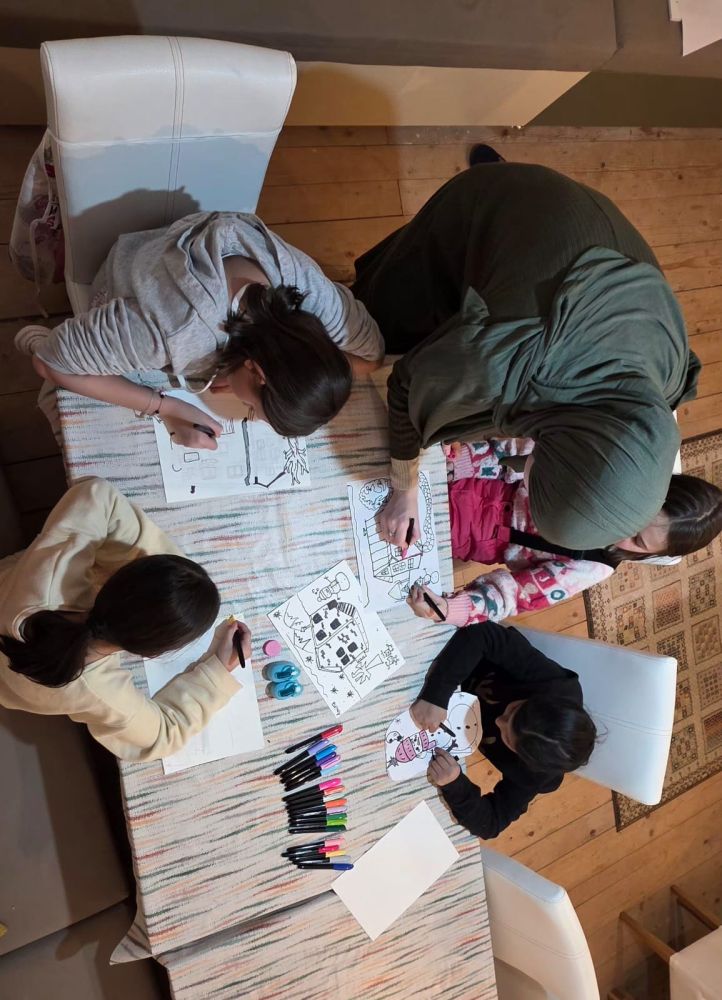
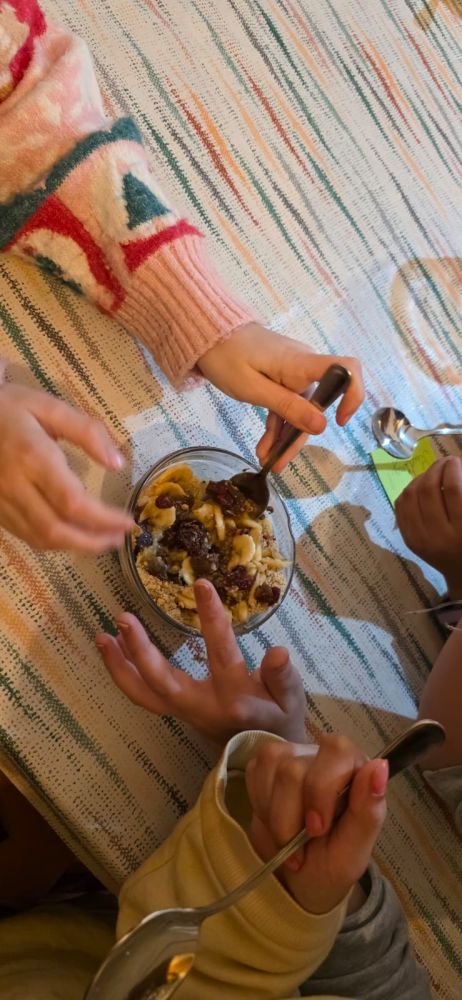
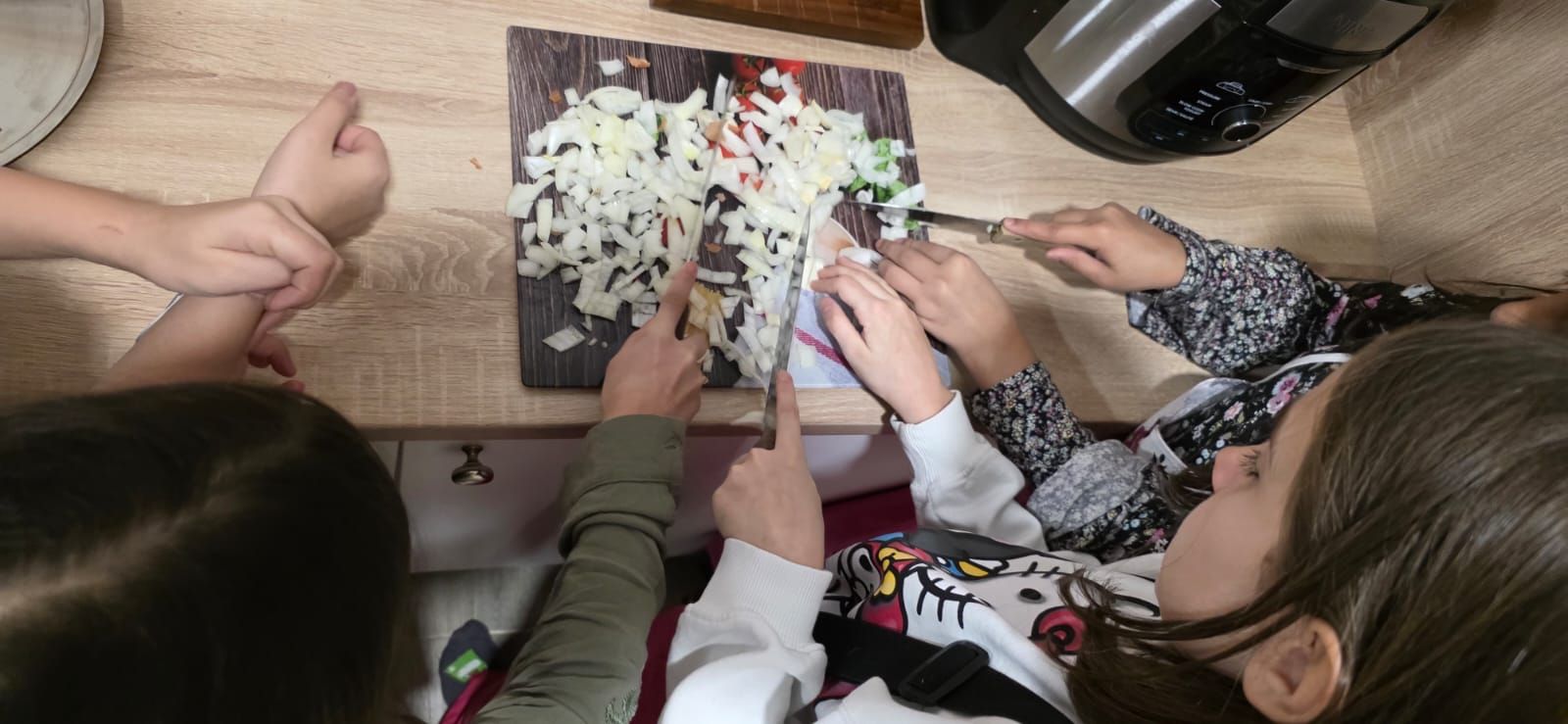
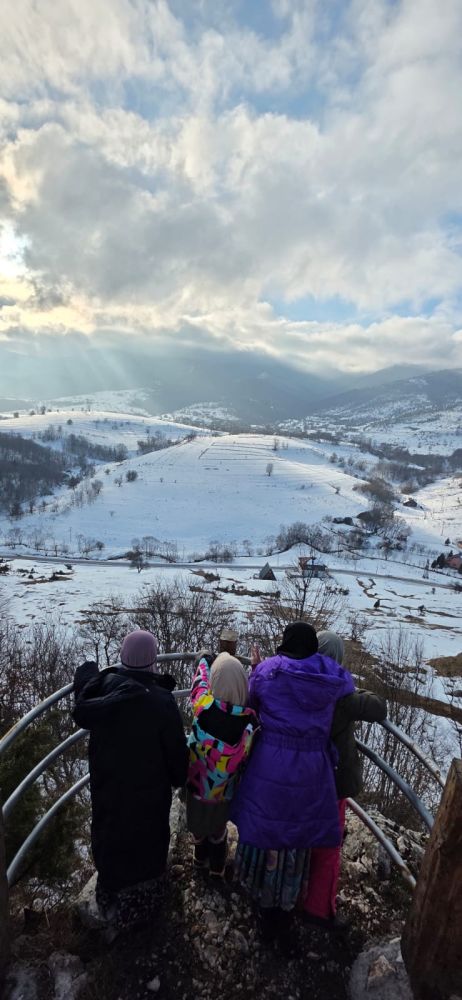
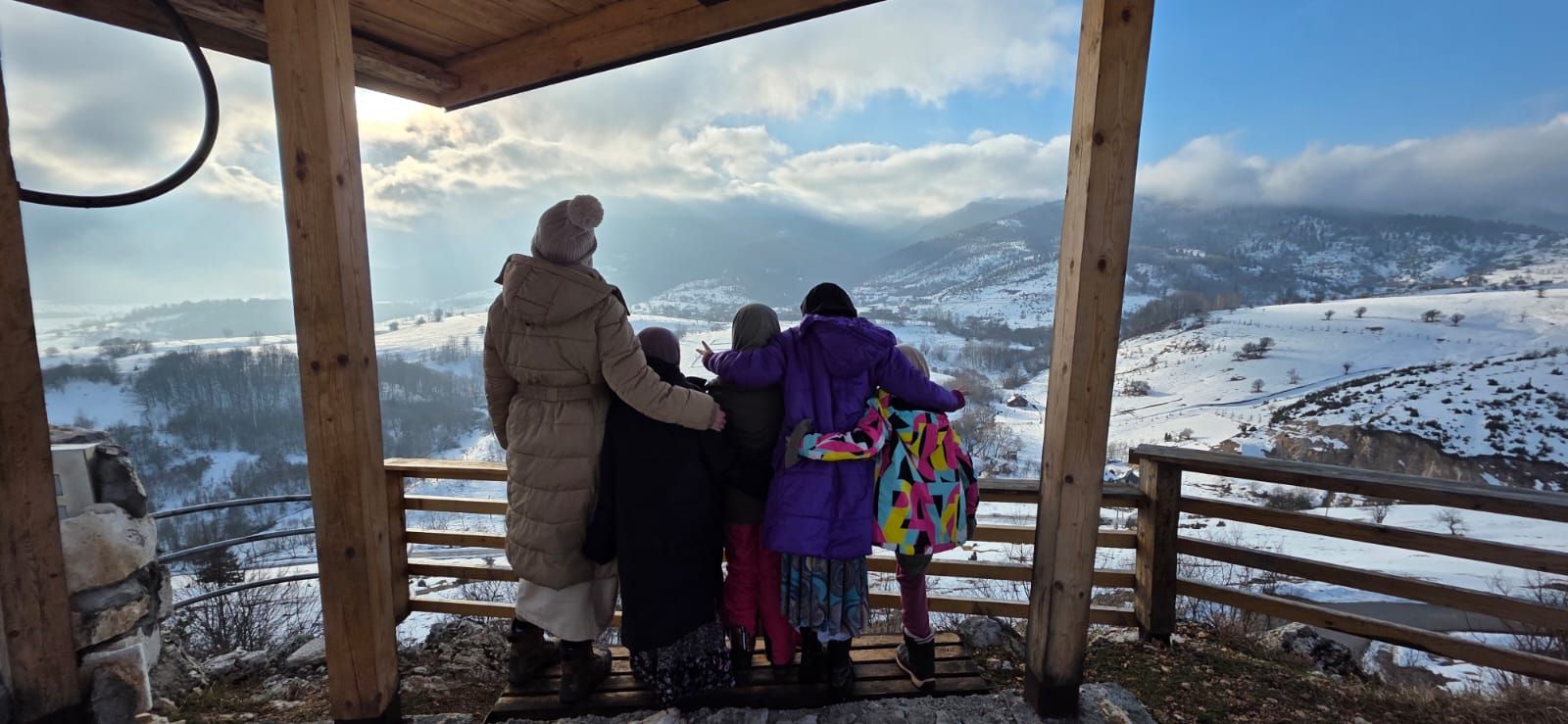
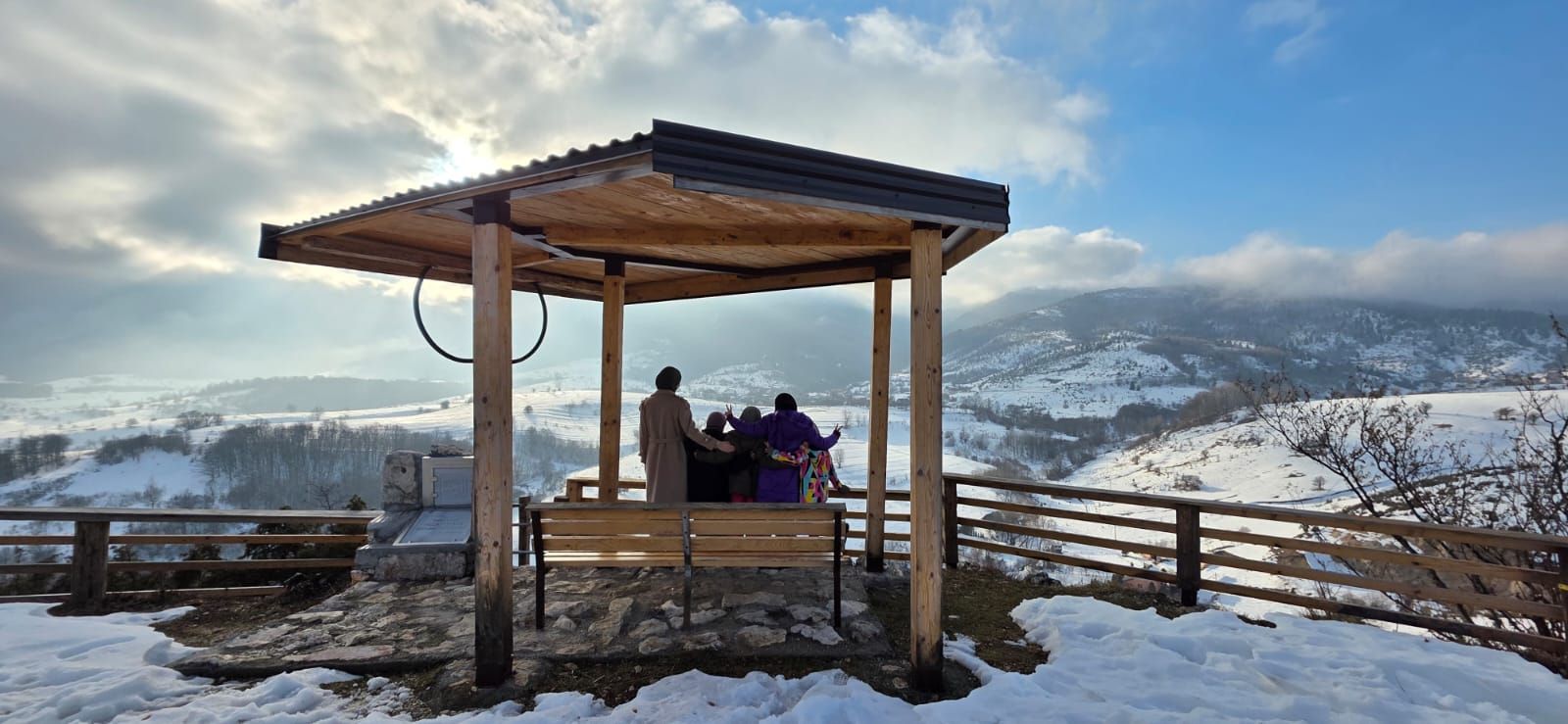
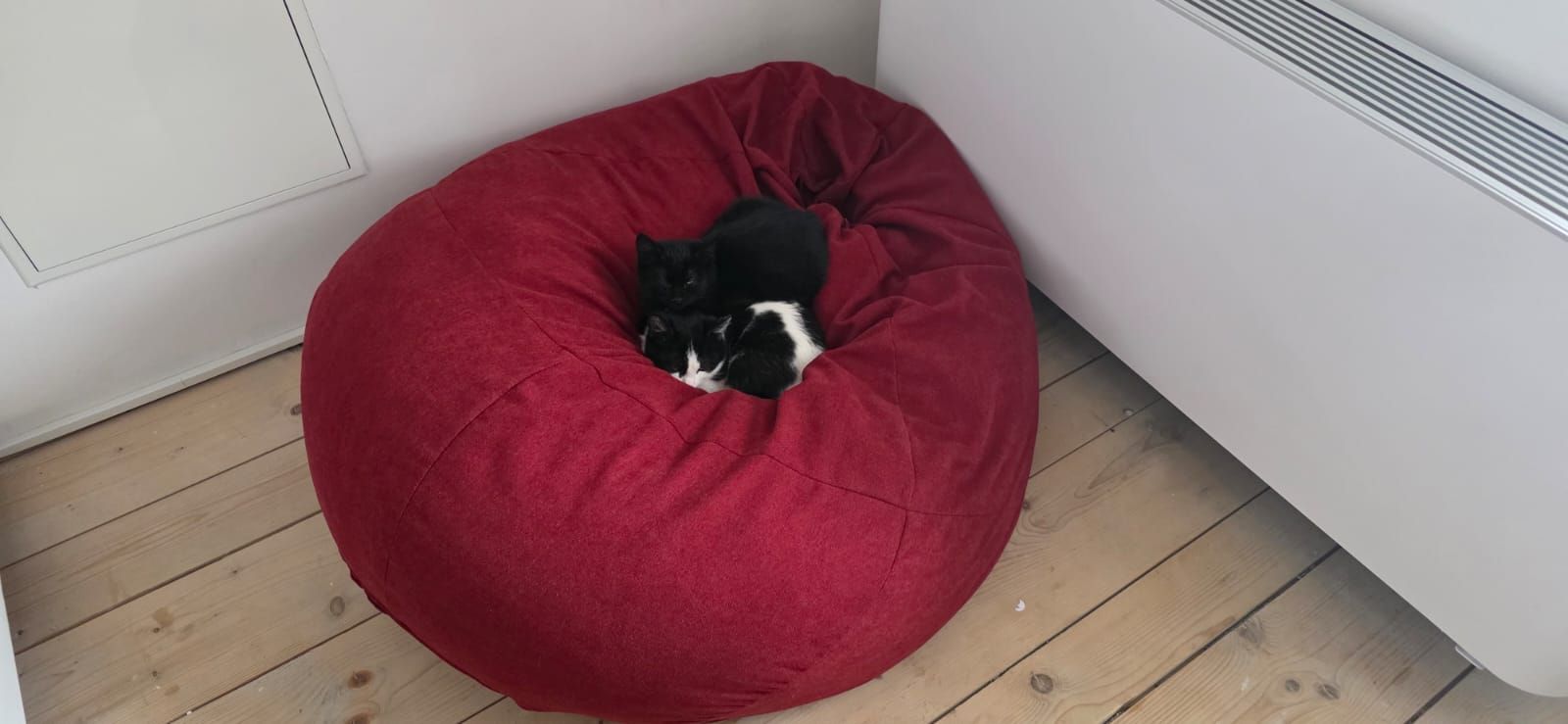
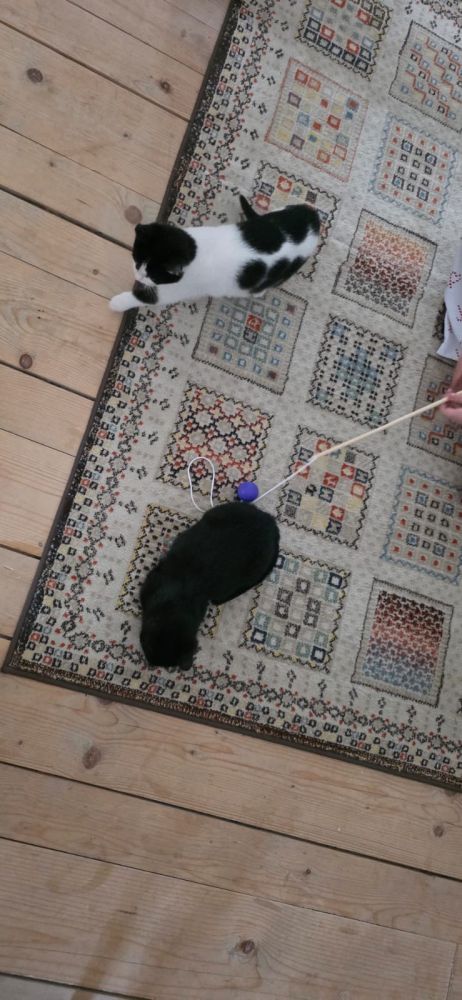
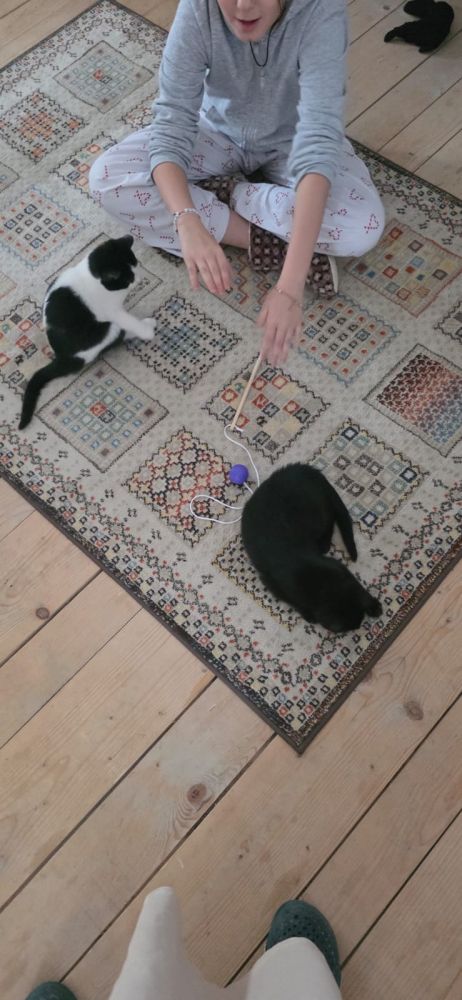
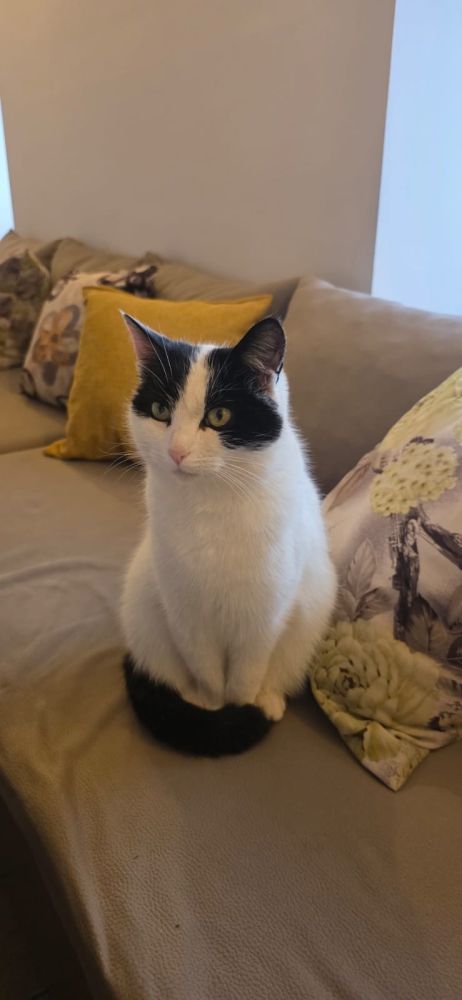
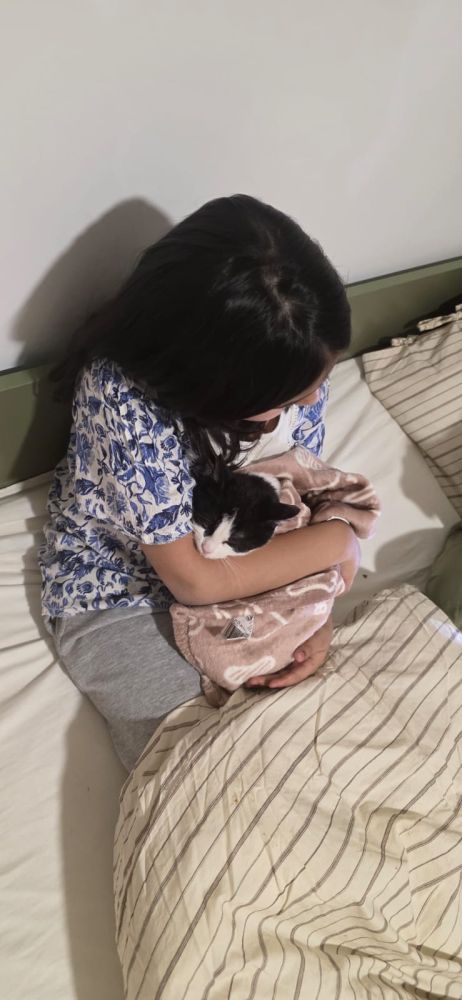
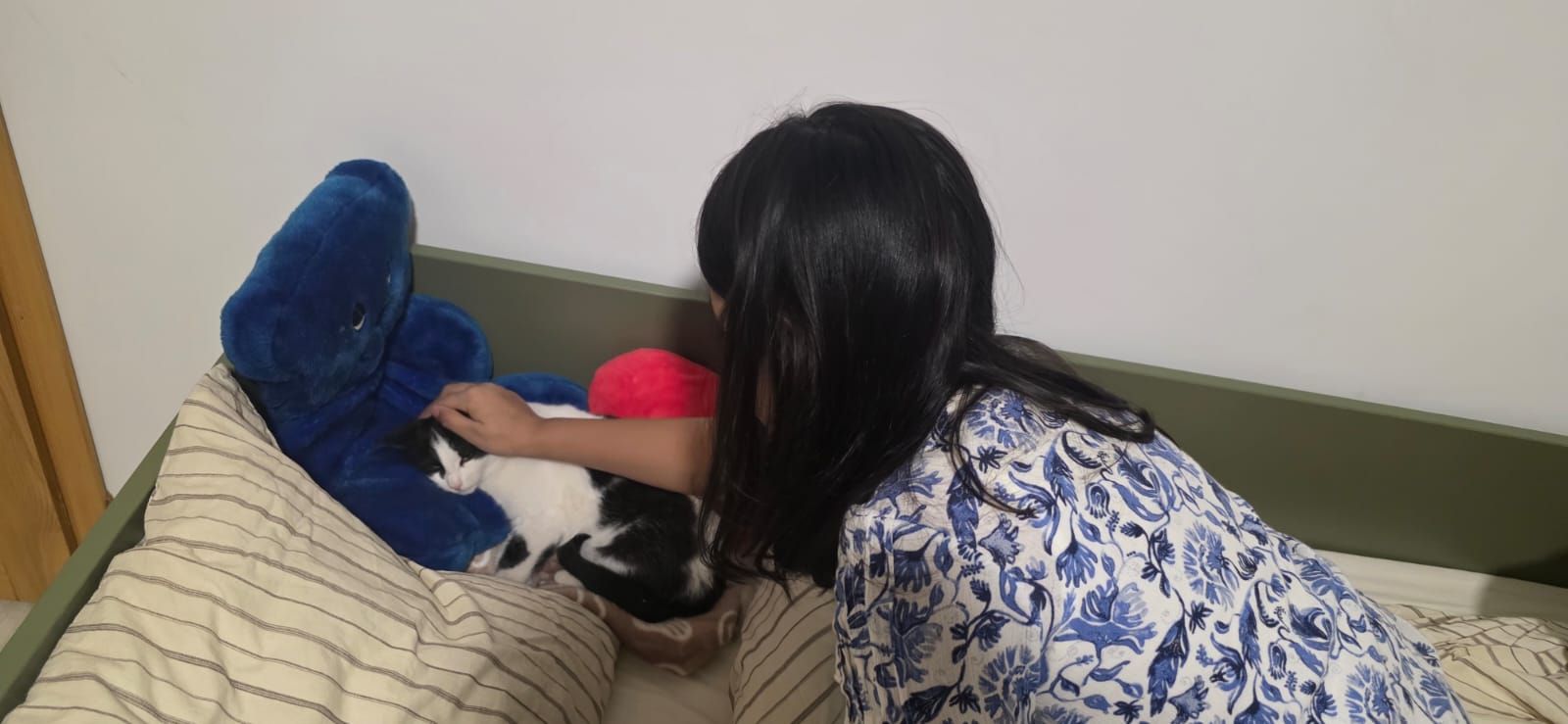
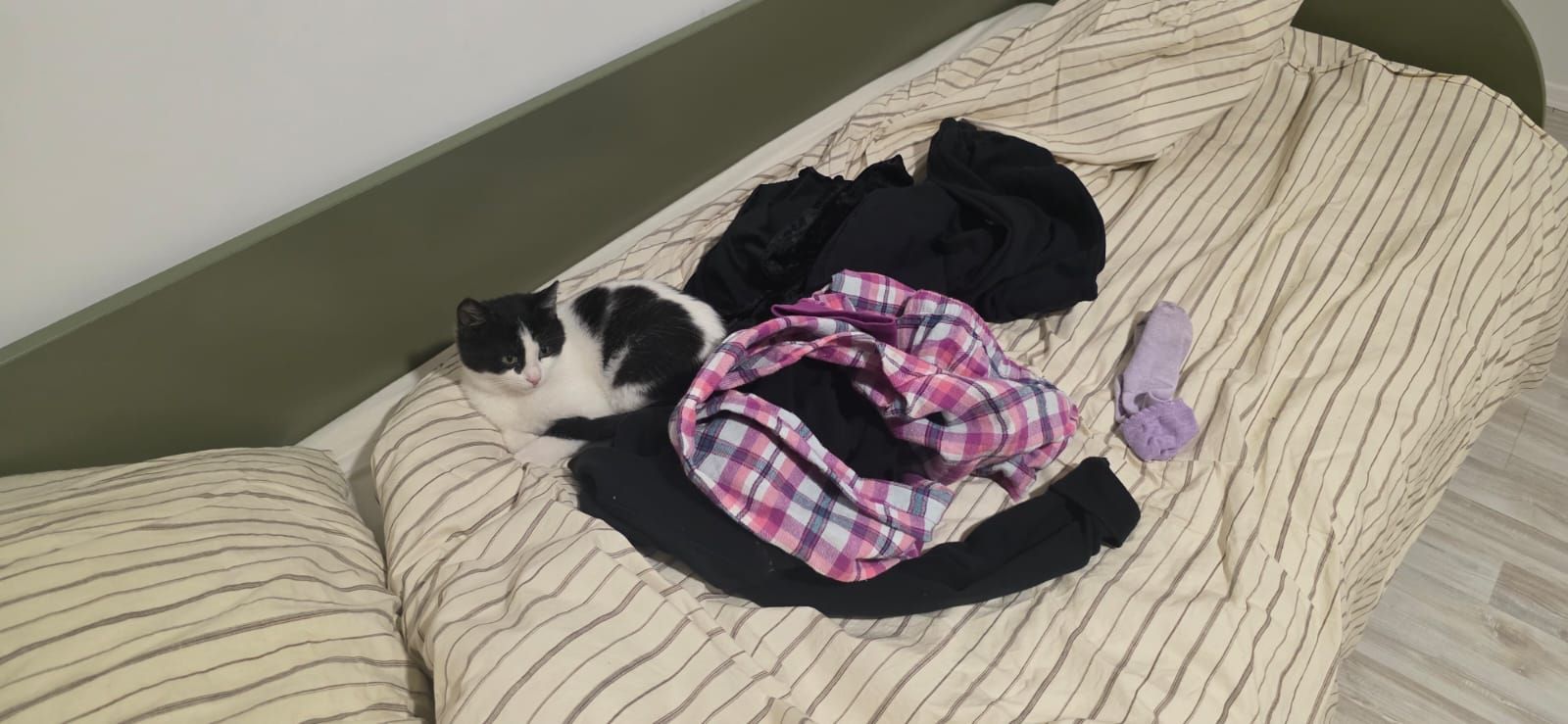
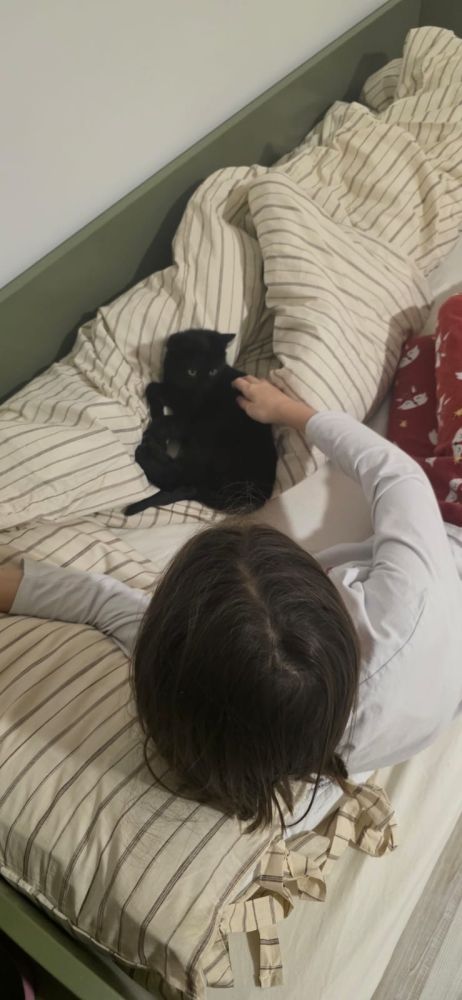
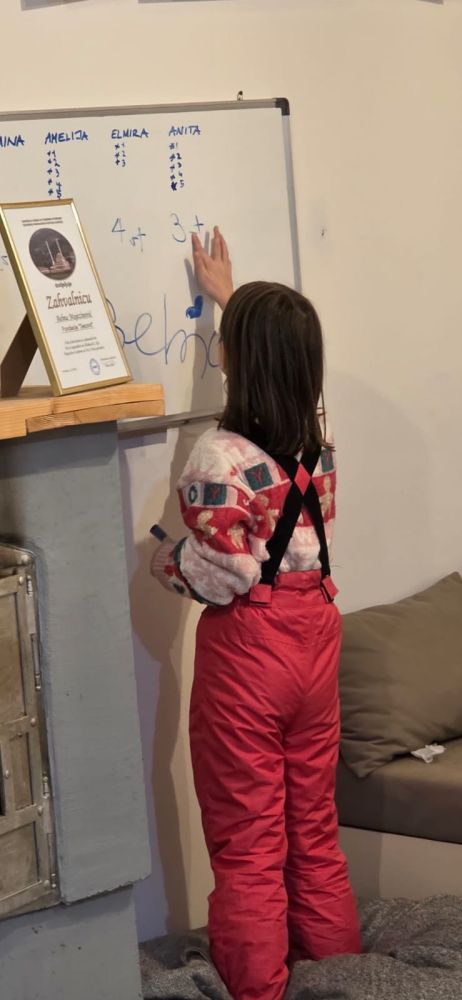
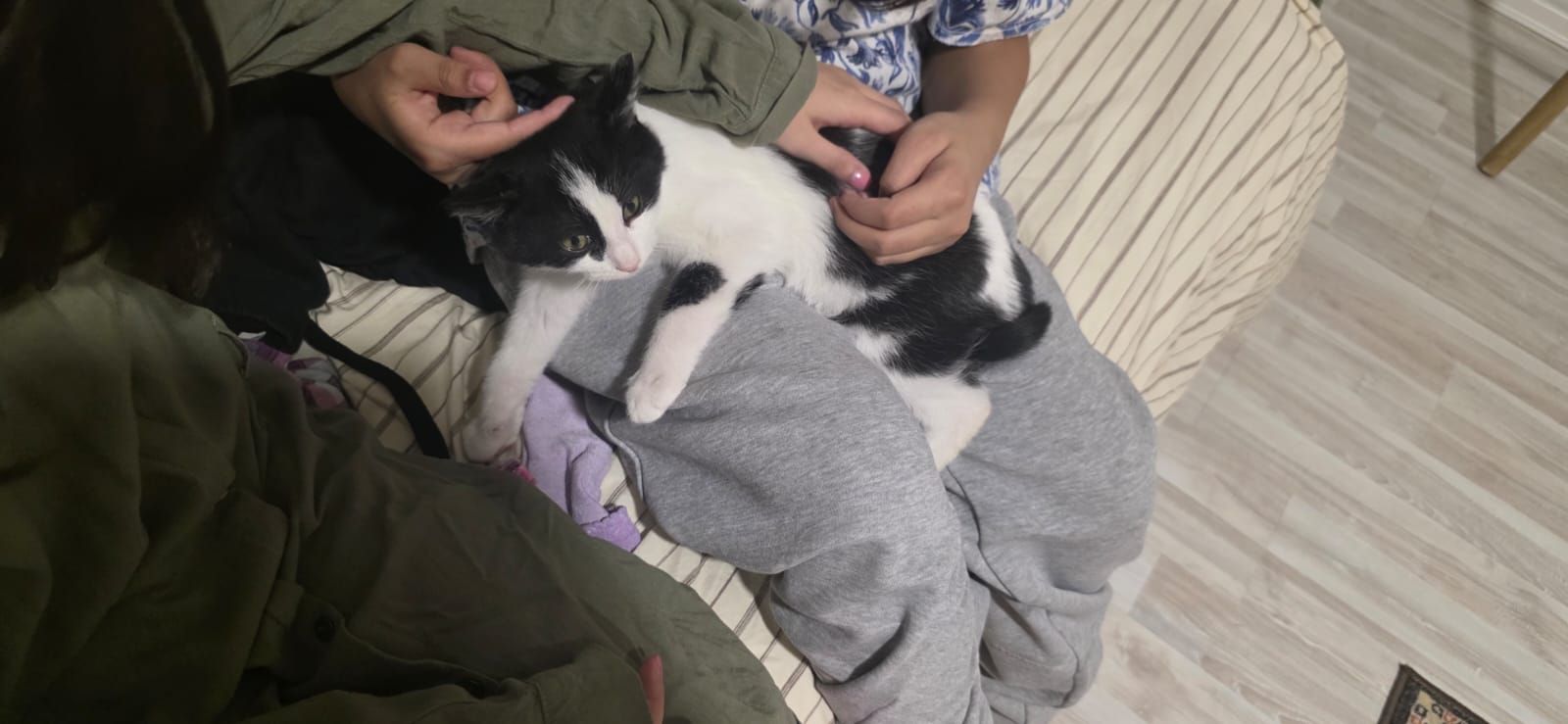
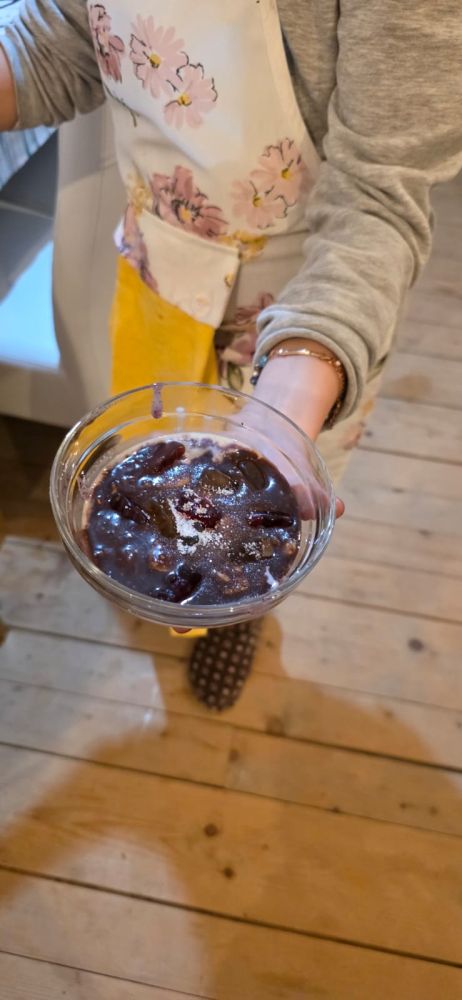
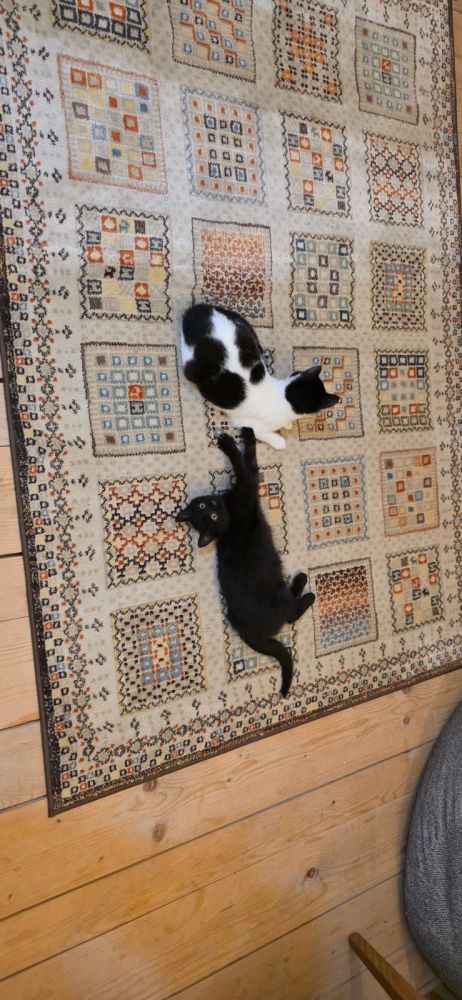
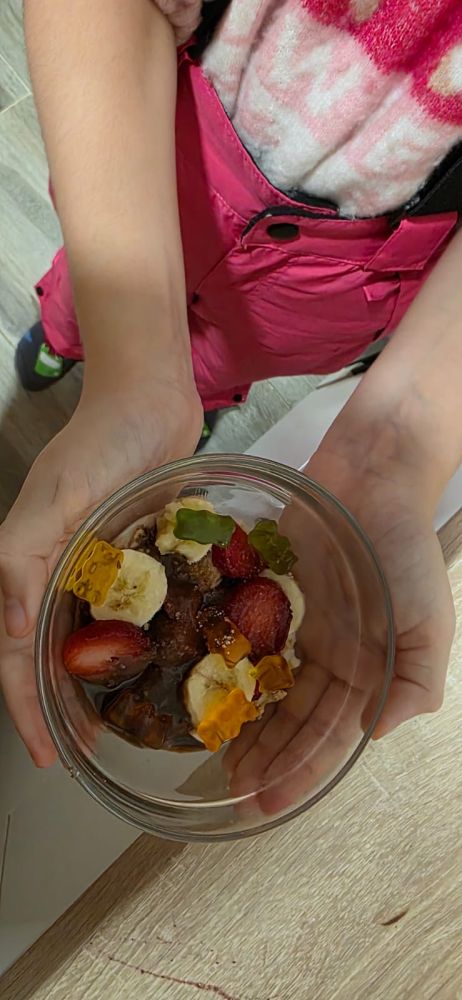
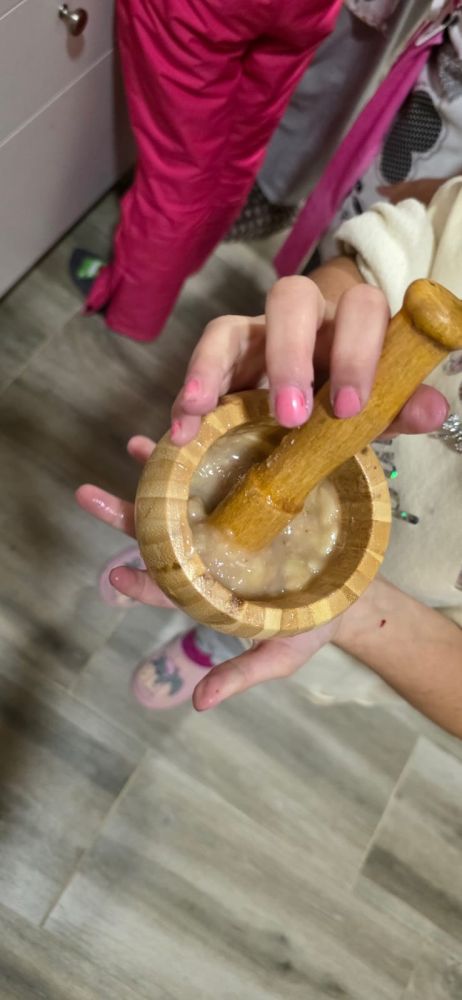
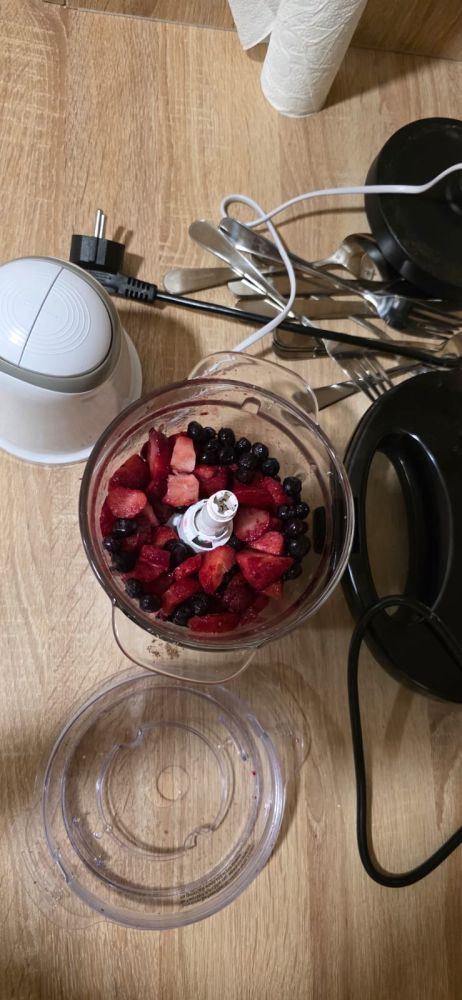
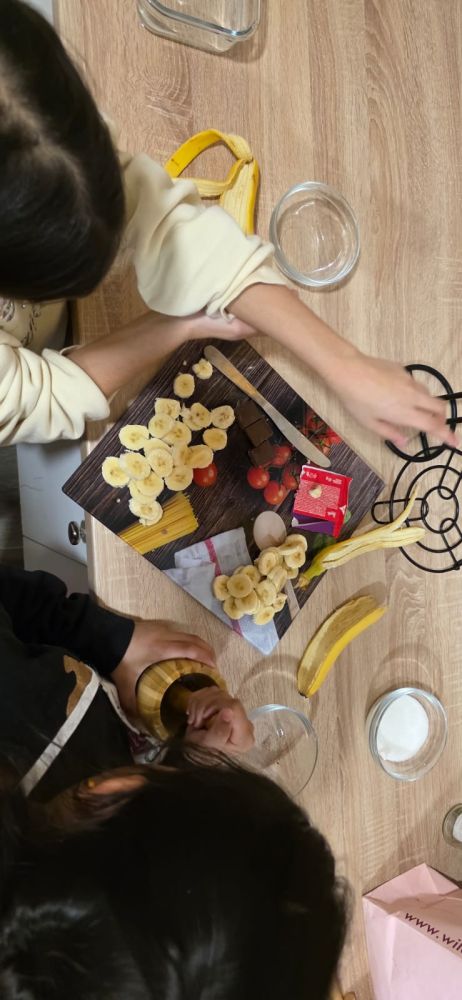
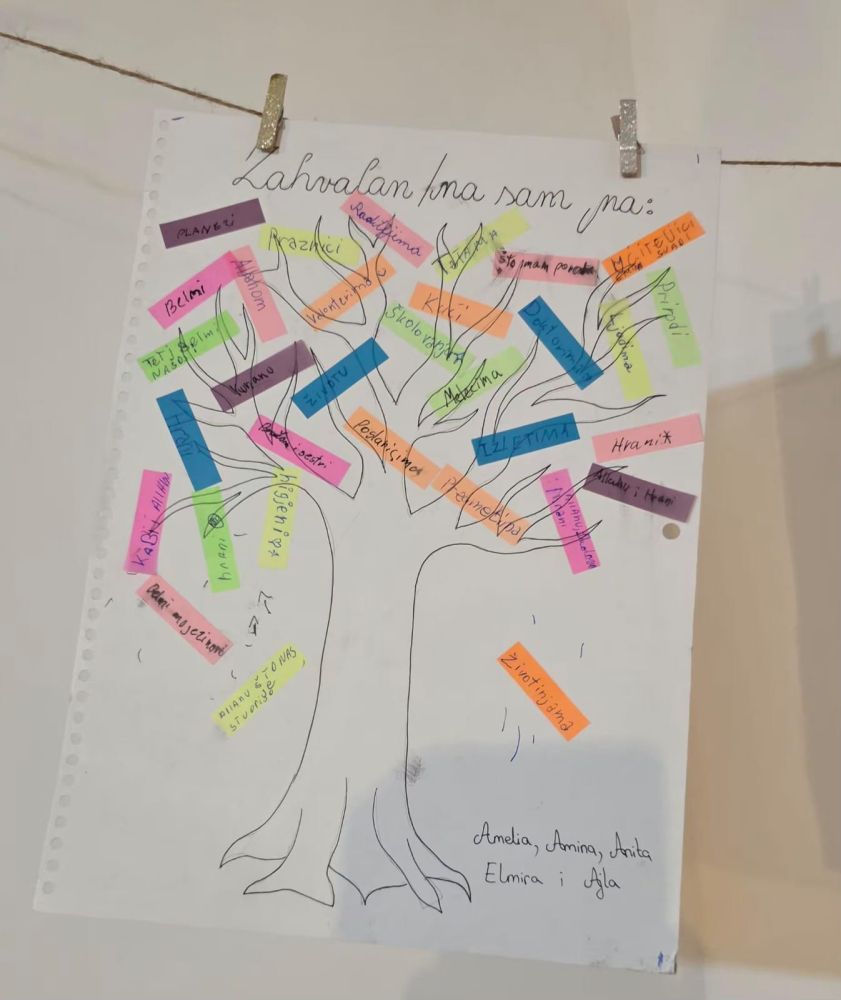
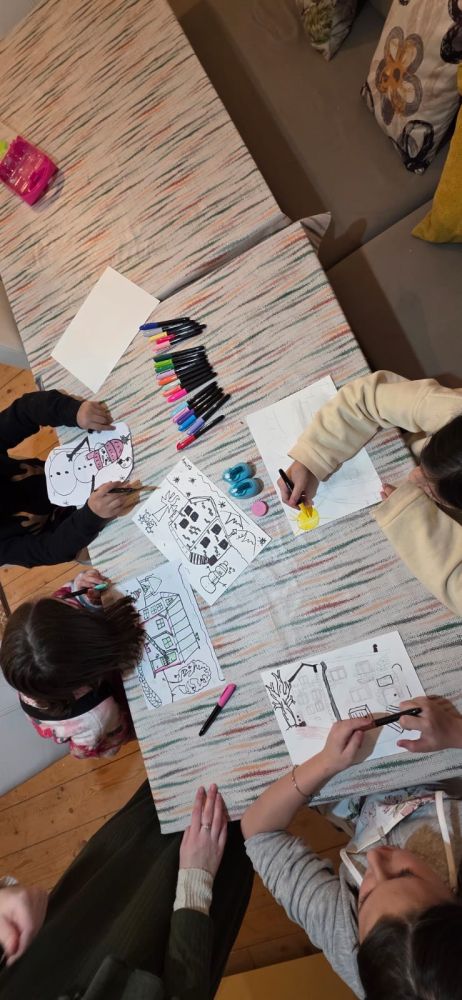
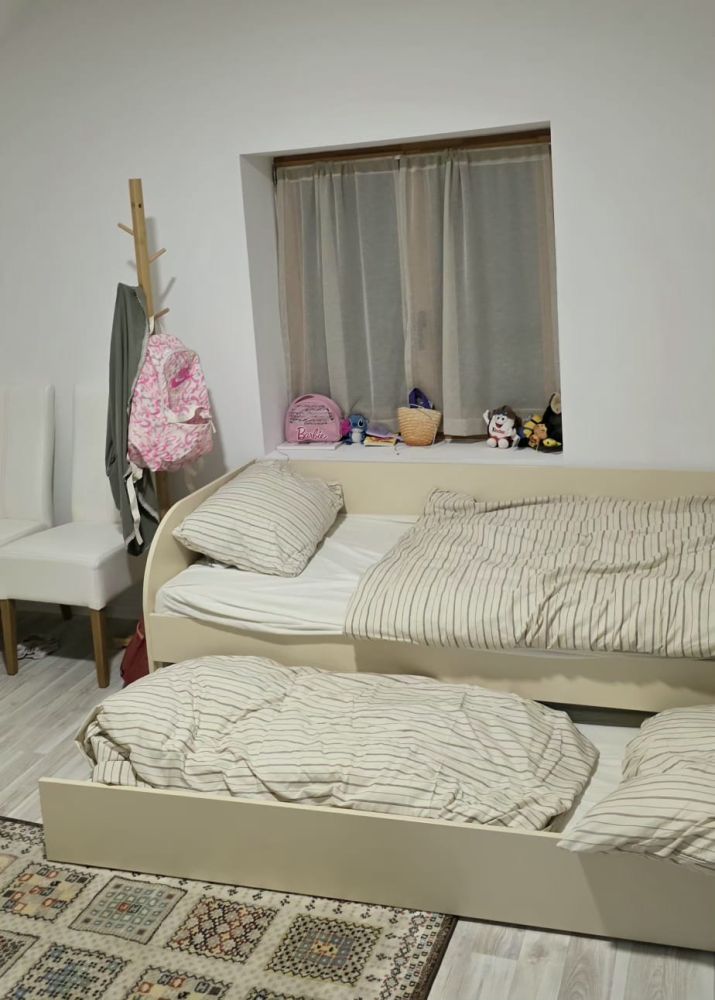
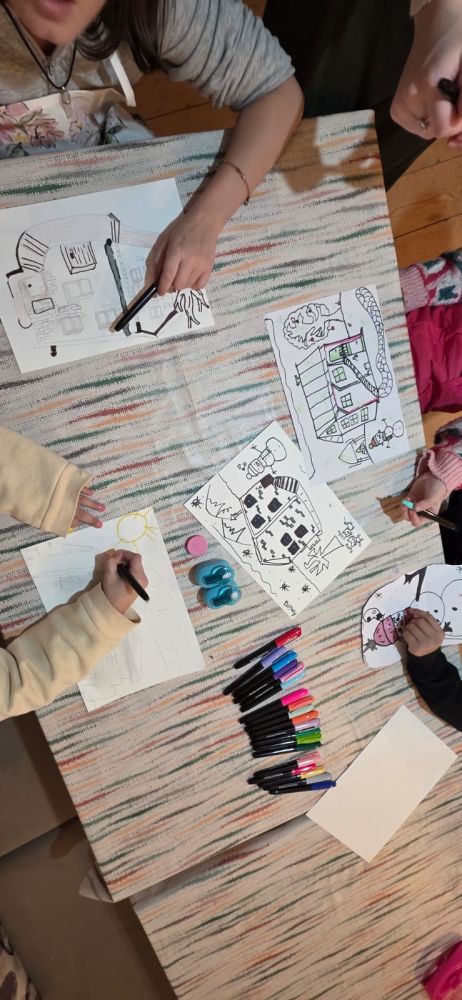
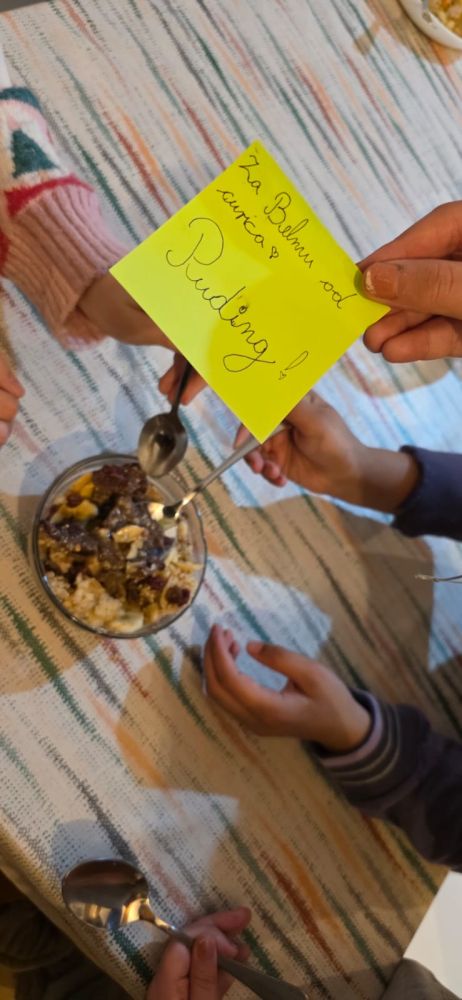
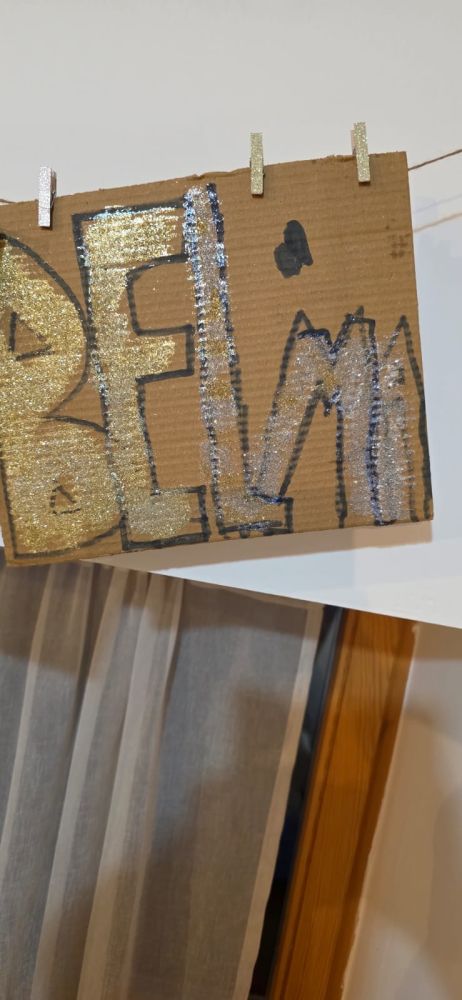
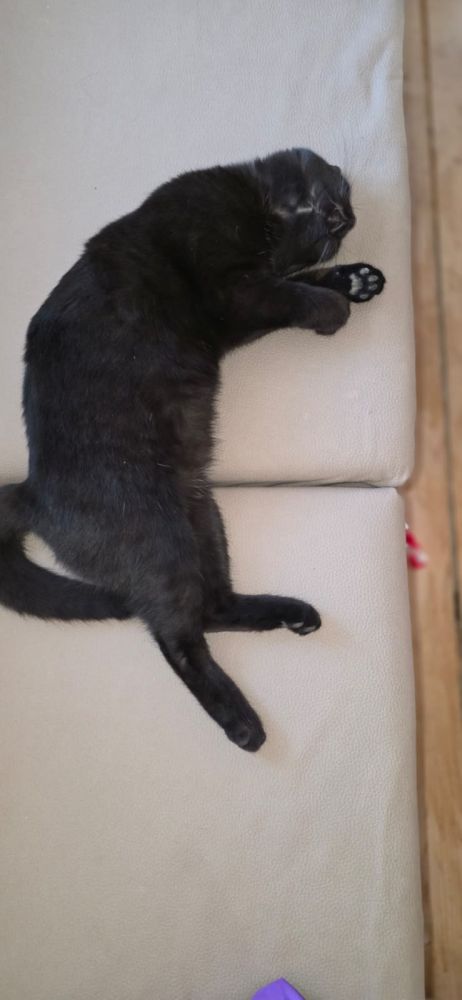
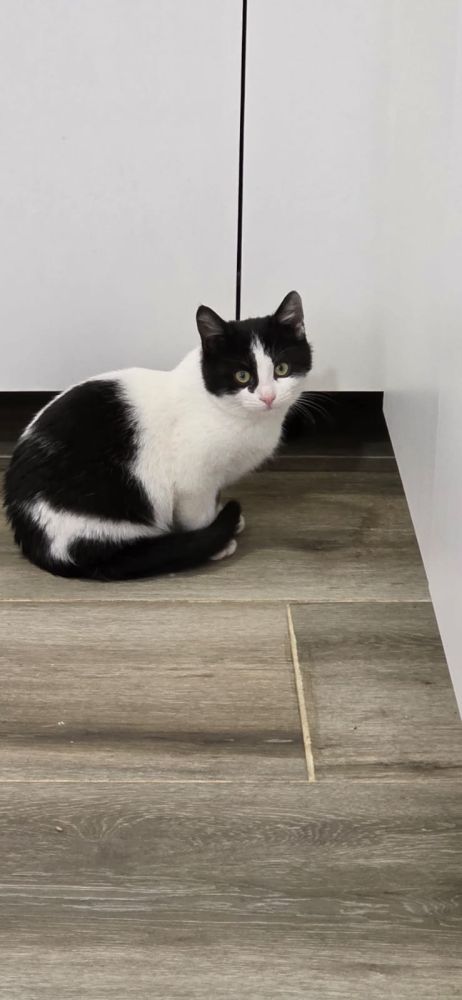
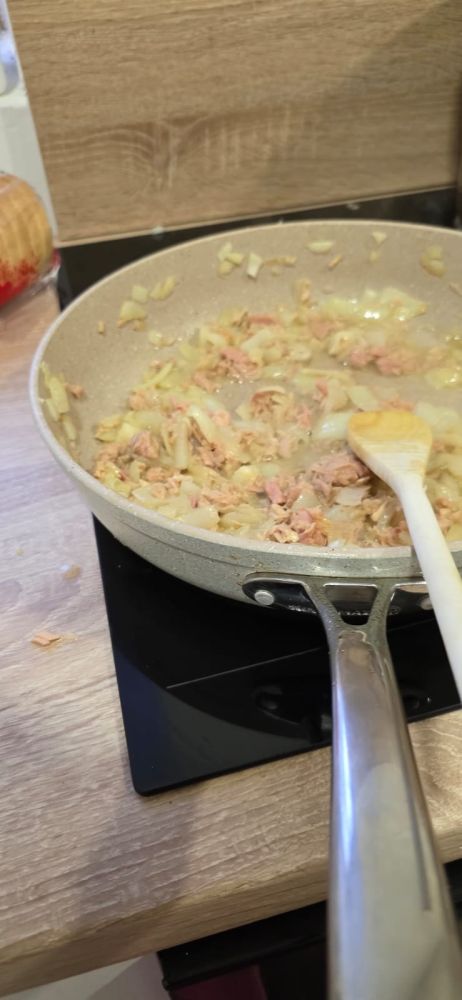
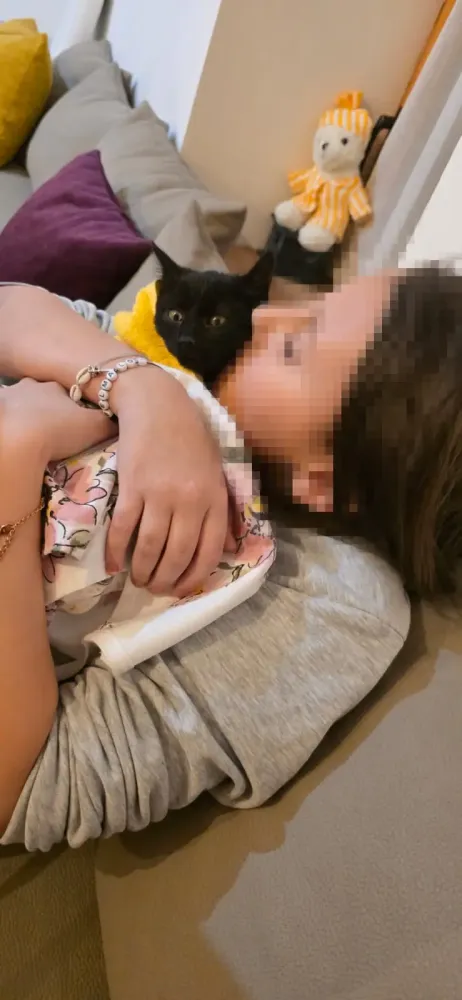
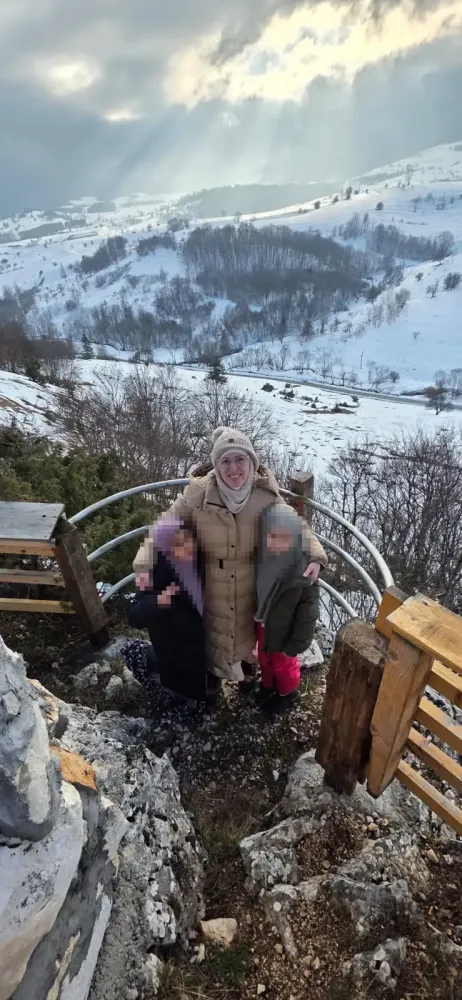
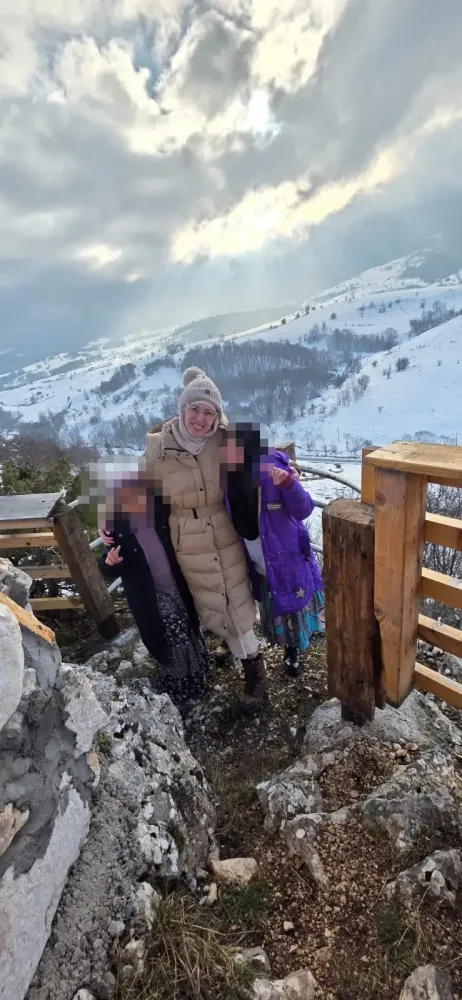
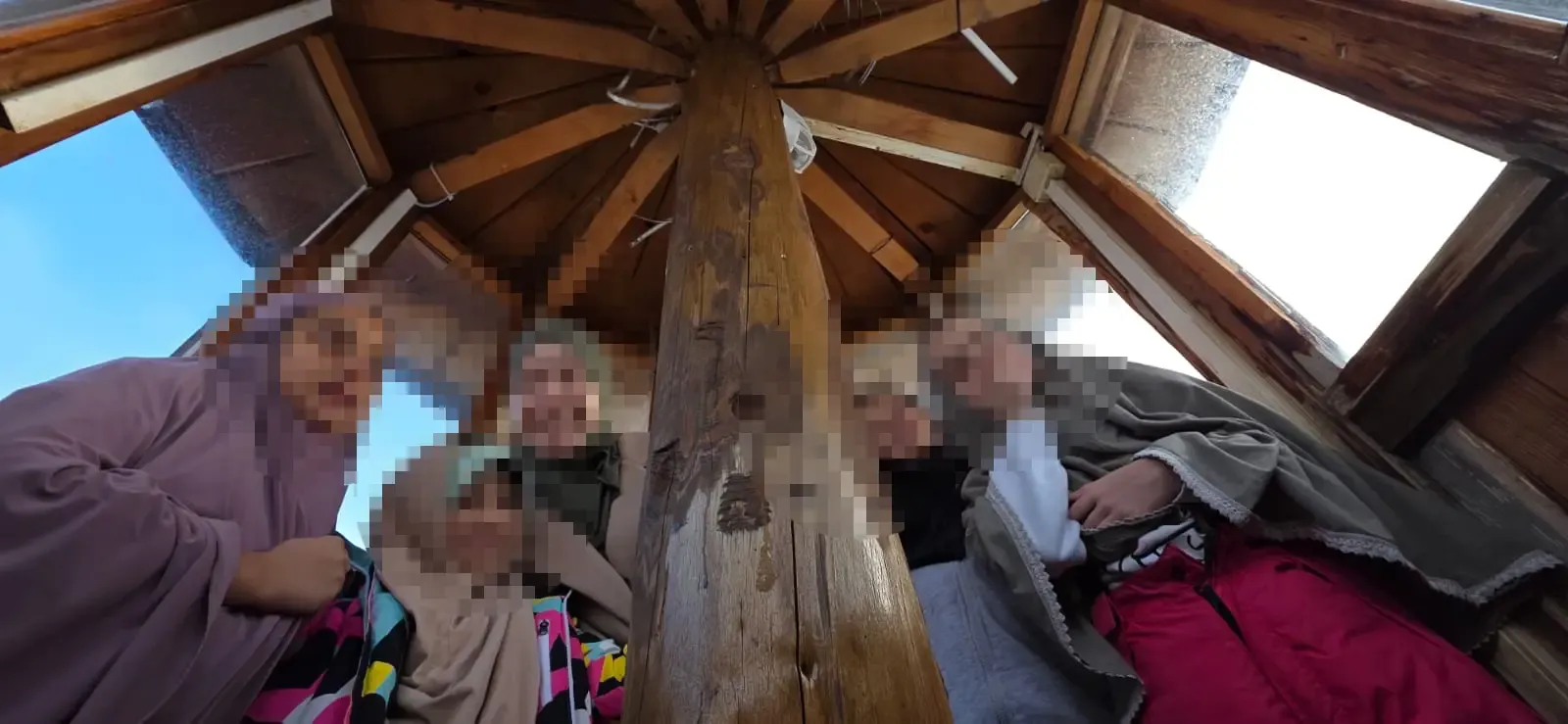
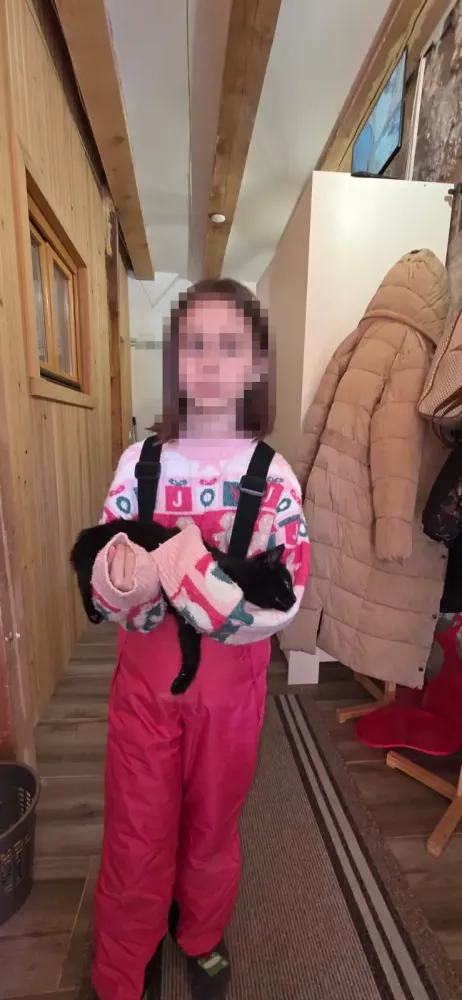
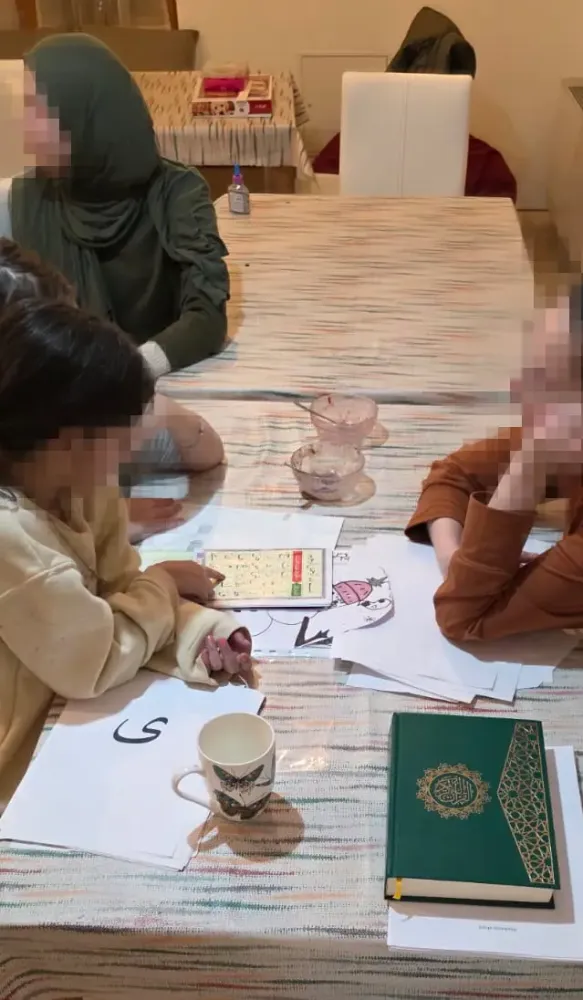
The girls were most excited about spending the night together, cooking, and socializing with the cats. They tidied up the house themselves, explored the kitchen cupboards, and used what they found to prepare small treats. They also took part in preparing simple meals for lunch and dinner, with a seriousness and pride that often surprises adults.
"Can I cook the rice? I know how to cook rice," said A., an 11-year-old girl, confident in her cooking skills.
Although they were not initially enthusiastic about the planned meals, the moment they participated in the preparation, plates were left empty. Some asked for seconds – and even thirds. The food, it seemed, tasted different when it was the result of shared effort.
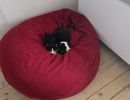
A special experience was bedtime, as they were allowed to bring two kittens into their room – kittens that Foundation Second has been caring for for some time. The Director of the Foundation treated them in Sarajevo and, after their recovery, returned them to the mountain – where they belong. That evening, the kittens became equal members of the group.
Late into the night, the girls played with them, wrapped them in blankets, and spoke softly, as if they did not want to break the magic. The kittens, sensing the attention and tenderness, lay calmly in their hands, slept beside them, and surrendered to the love they were given.
Preparing for Ramadan
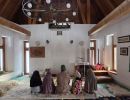
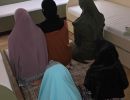
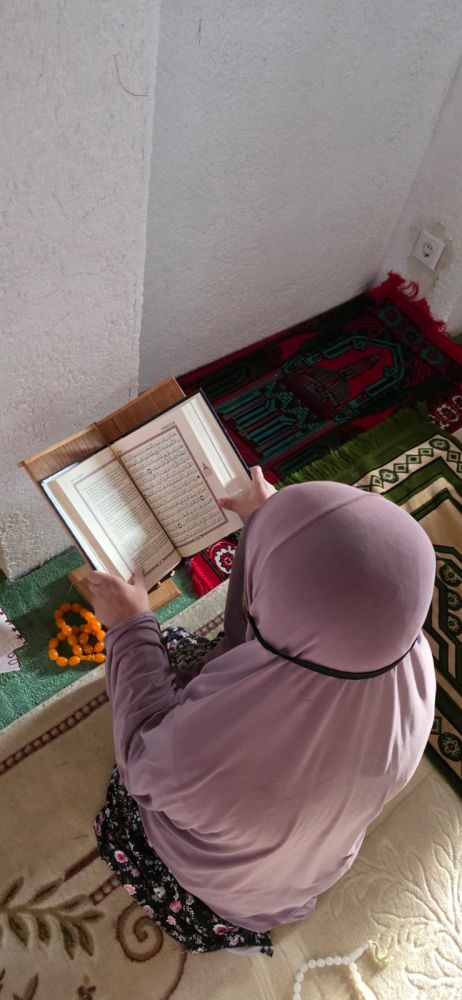
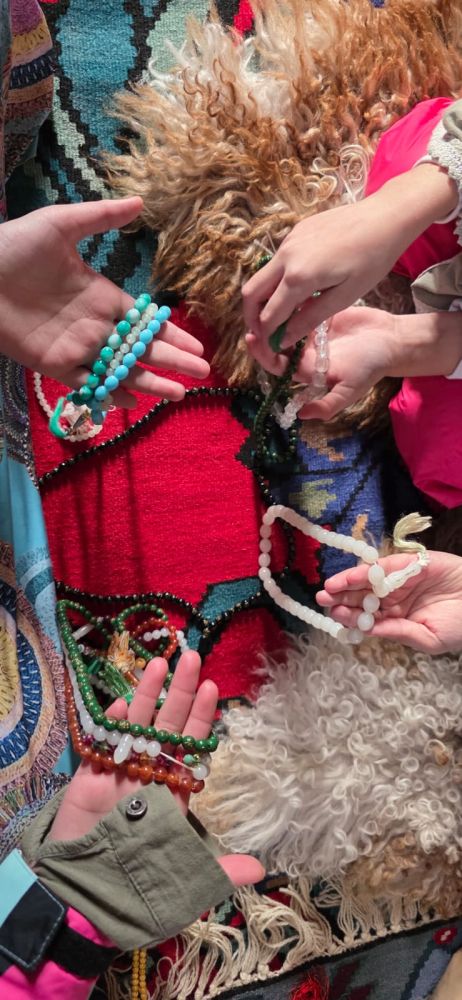
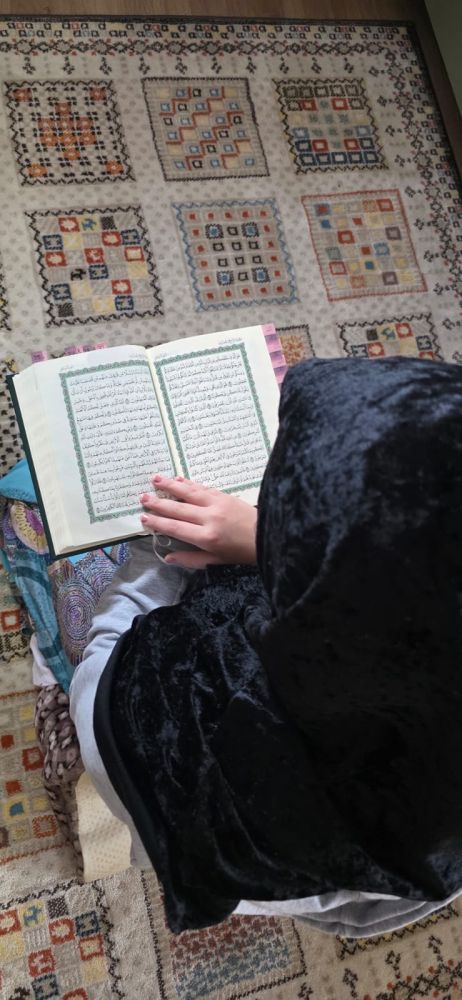
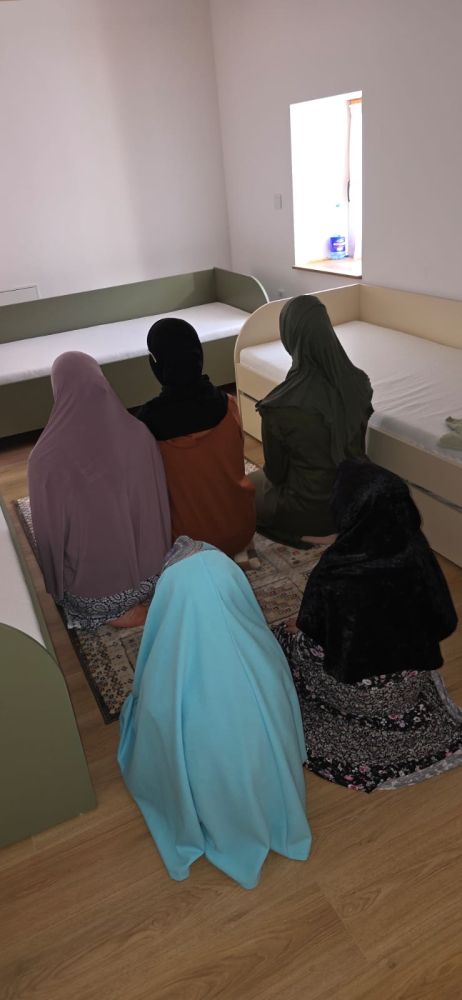
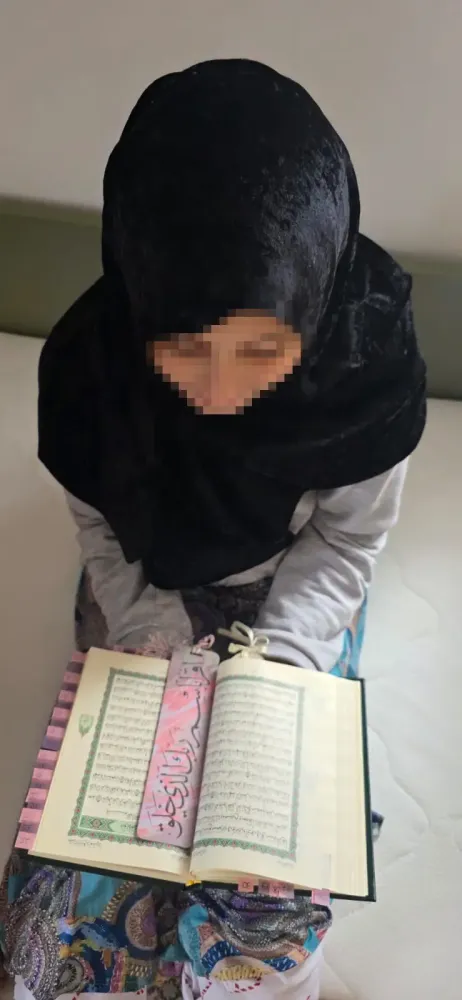
Together with volunteer Ajla and the Director of the Foundation, the girls performed all daily prayers, preparing for and joyfully anticipating the upcoming month of Ramadan. Last year, some of them fasted the entire month, and this year they proudly speak about their plans.
"I will fast the entire Ramadan this year as well," said 11-year-old A., a girl who paid special attention to cleaning and organizing the house. "My home will be spotless when I become independent. And I will go to Mecca," she added, speaking as if it were something natural and unquestionable.
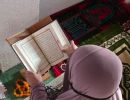
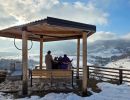
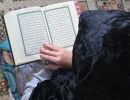
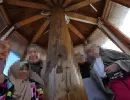
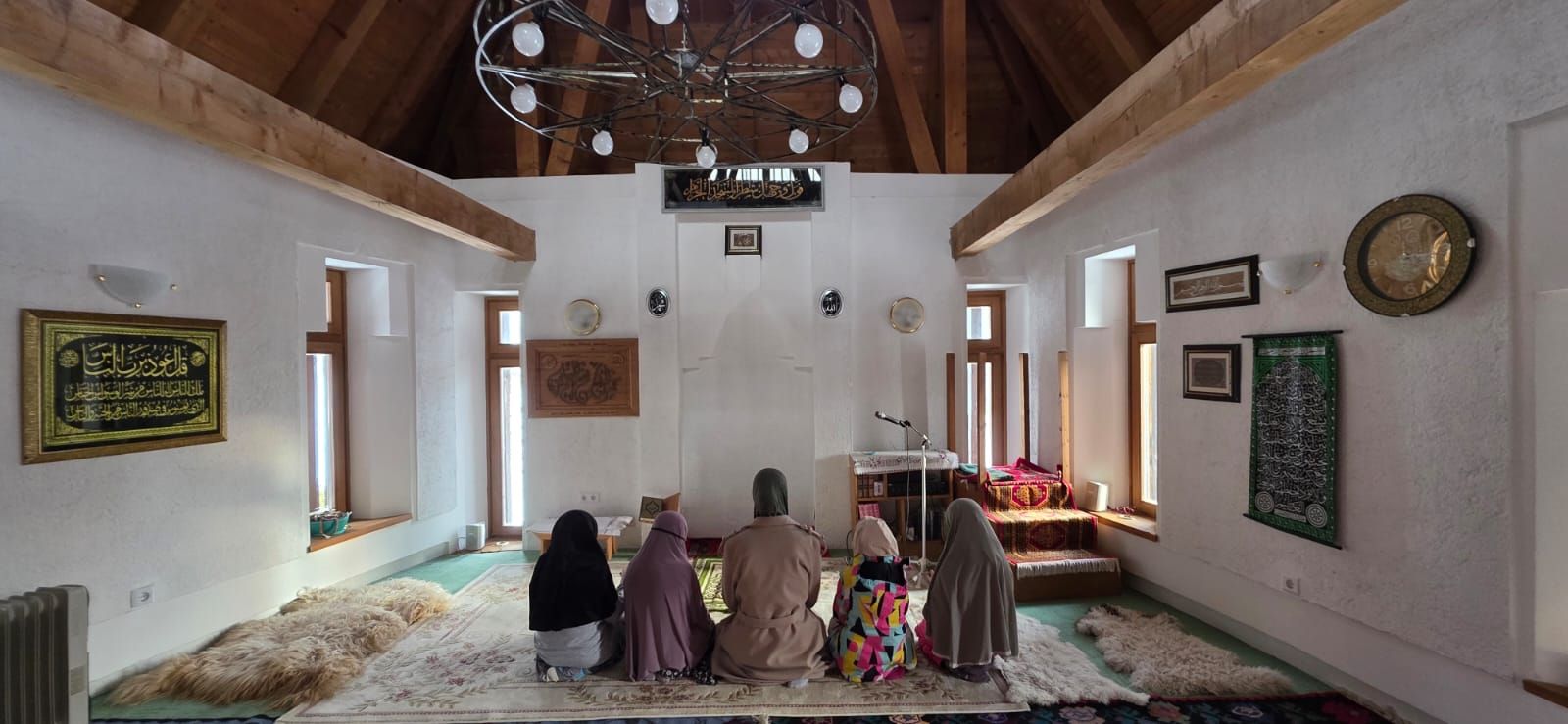
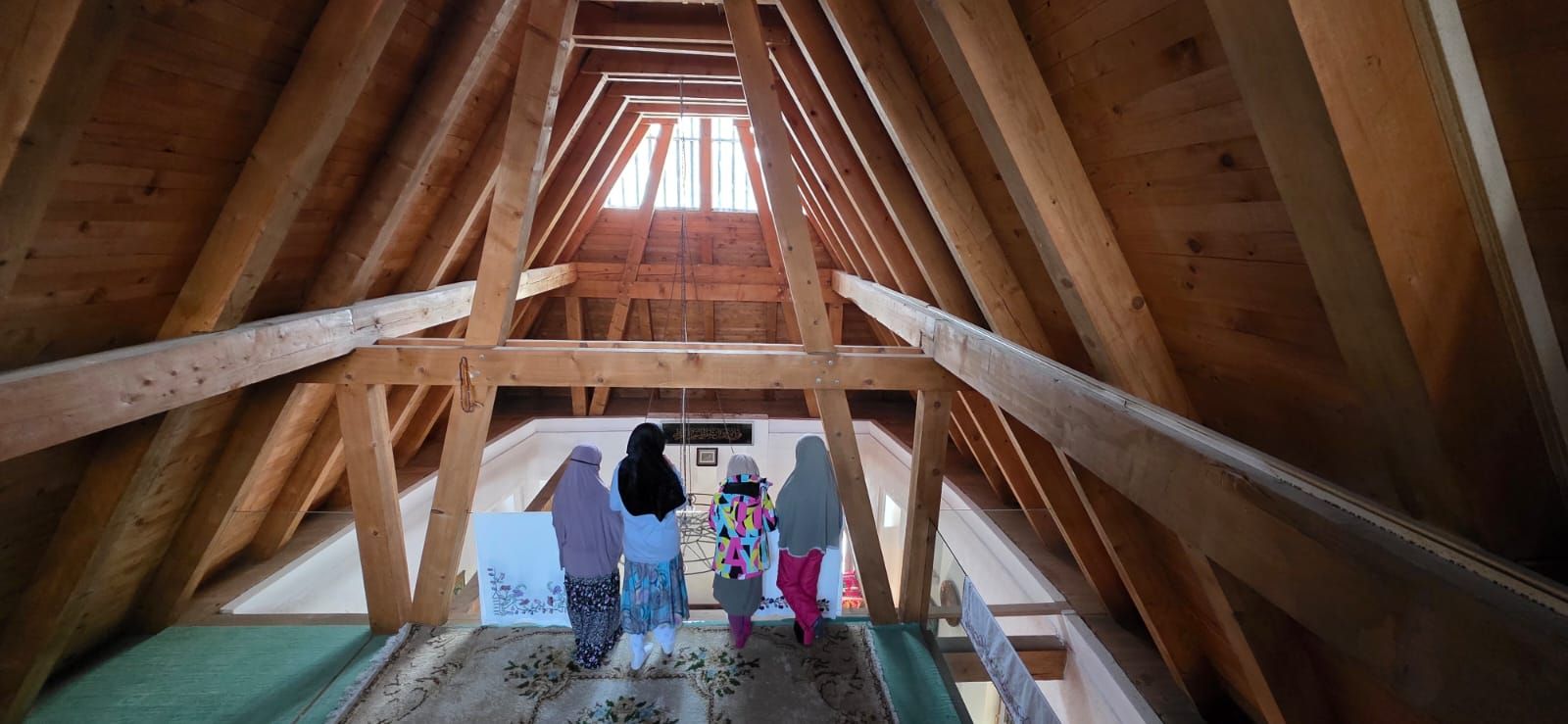
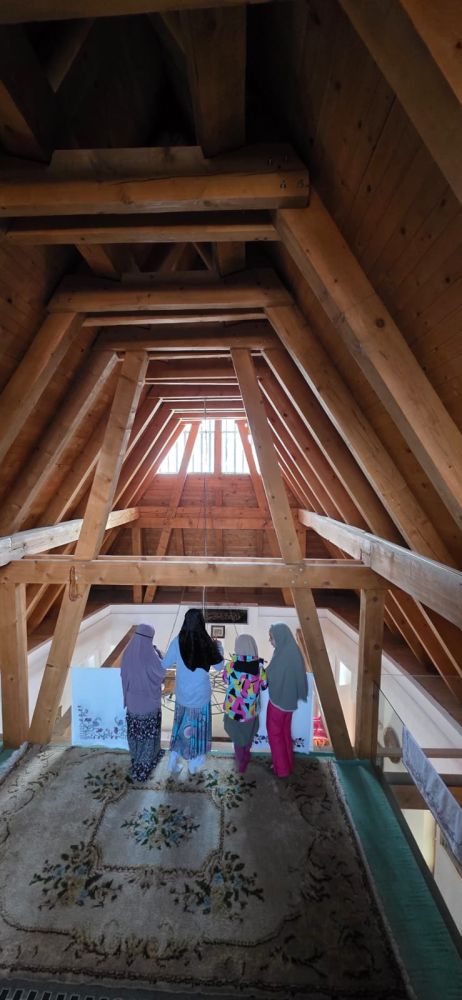
Before returning to the alternative care institutions they now call home, the group visited the village of Ostojići and a small mosque built about twenty years ago. Nestled in the peace of this village, the mosque came alive that day with children’s laughter and joy. The girls explored it, climbed the minaret, read translations of the Qur’an, and performed the Asr prayer together.
On the way back to the house, when asked what they liked most, they answered without hesitation:
"The cats, the mosque, and the food."
And perhaps, between the lines, there is something more – the feeling that somewhere, at least for one weekend, you can imagine that this might be your home.