


The Director of Foundation Second, Belma Mujezinović, visited the MAK Association’s Sensory integration center in Vogošća last week, where she and the Association’s President, Enisa Aganović, agreed on the initial steps toward establishing a collaboration focused on children with developmental disabilities supported by Foundation Second through programs carried out in partnership with alternative care institutions. These are children with the most sensitive developmental needs, including those placed in the Home for children without parental care Sarajevo, as well as children from at-risk families whom the Foundation continuously supports in cooperation with the Home’s Family and child support service.
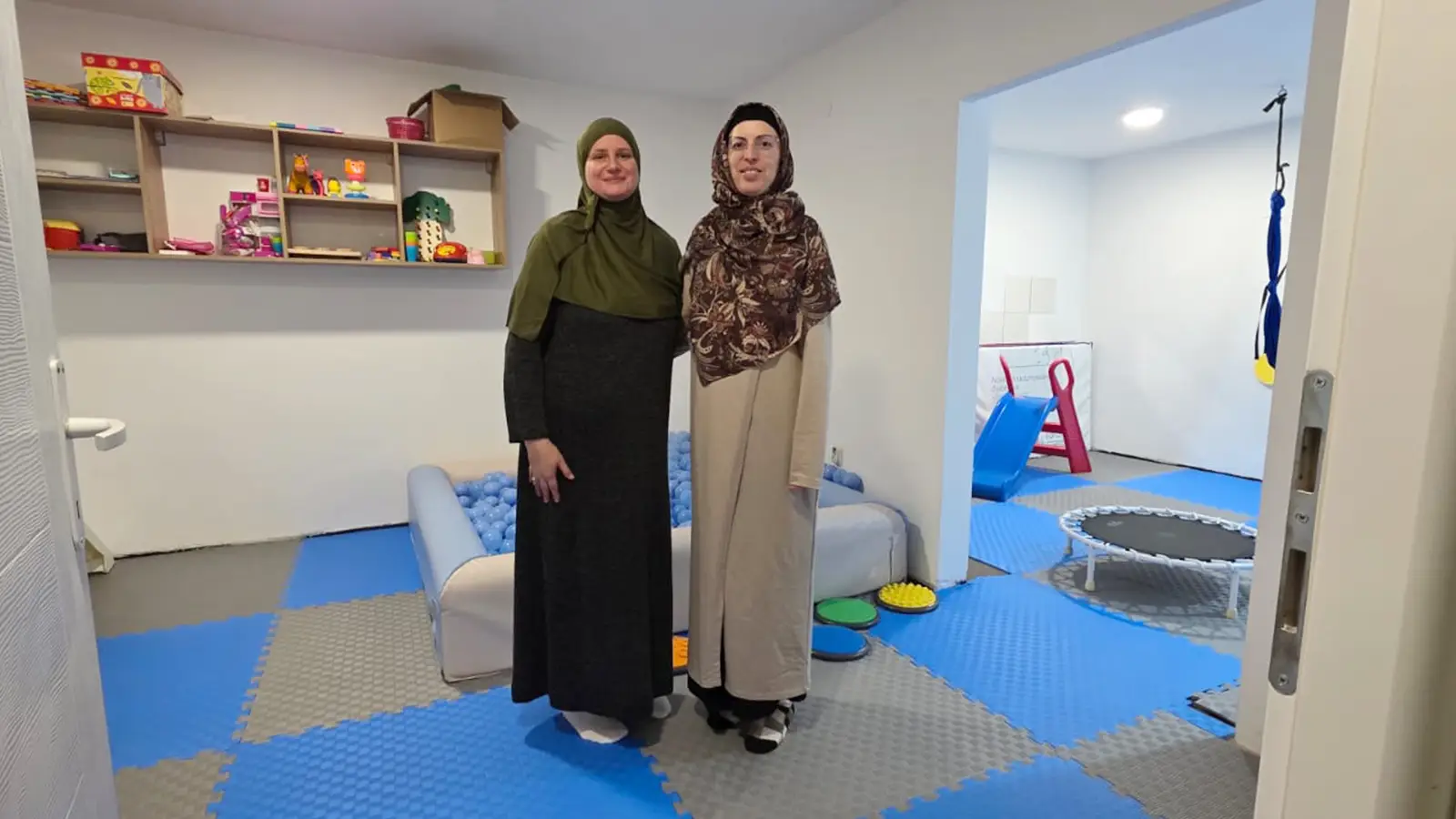
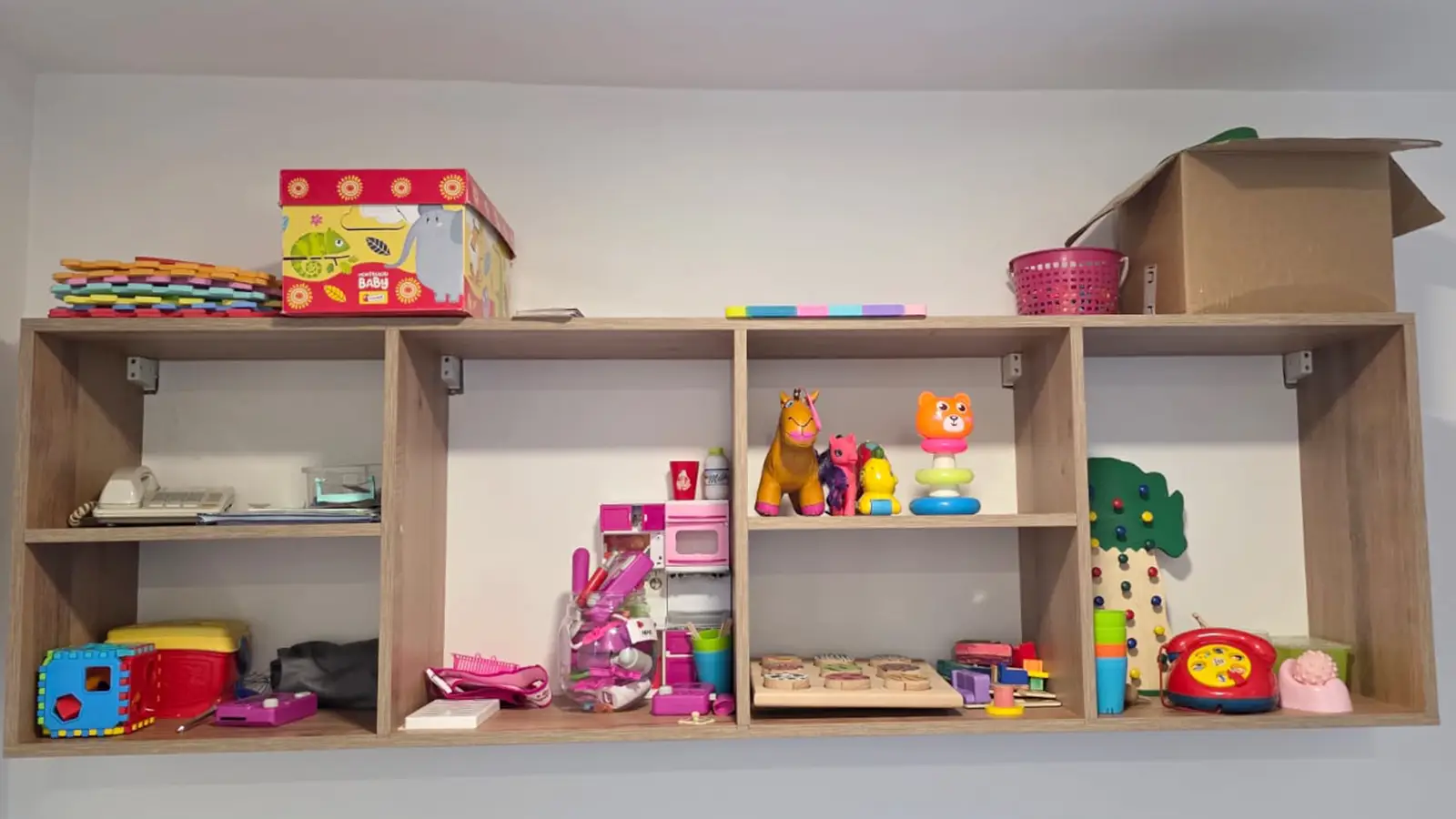
The MAK Association, known for its team of speech therapists, educators, sensory integration therapists, Marte Meo practitioners, and other specialized experts, provides children with a safe, carefully structured, and nurturing environment. Through a variety of therapeutic and educational programs, MAK offers children the opportunity to develop communication, socio-emotional, and sensory skills — which is especially important for children coming from institutional settings or unstable family circumstances.
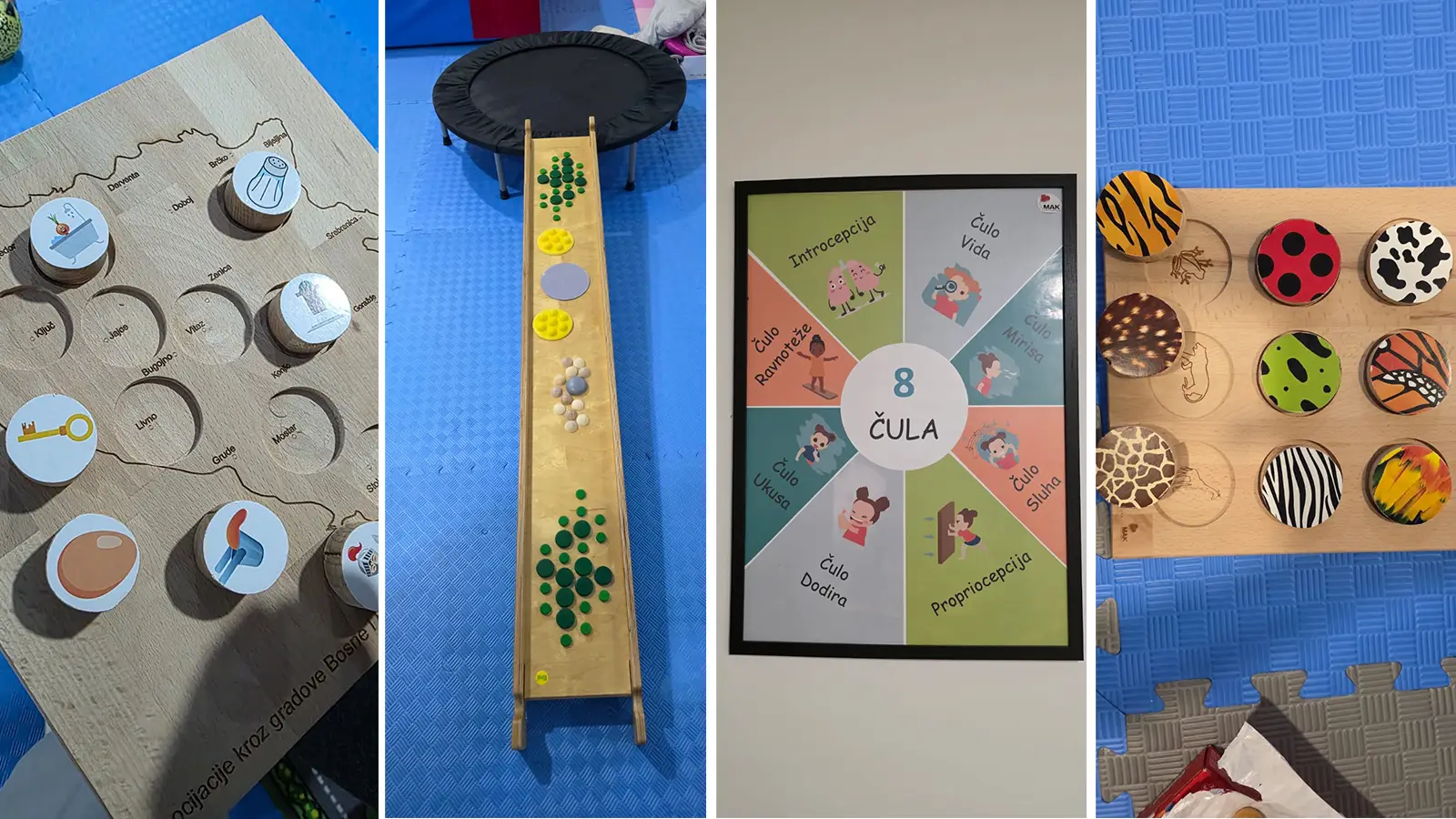
During the visit, the discussion focused on models for including children in therapies conducted by the MAK Association across its three centers — one in Vogošća and two in Sarajevo — as well as on the development of joint activities aimed at strengthening children’s emotional stability, sense of safety, confidence, and developmental capacities. Both sides expressed their readiness to build a long-term, structured collaboration rooted in the real needs of the children.
“Children with developmental disabilities in alternative care have secure protection and care within their institutions, but they often require additional professional support to better monitor their development and individual needs. Foundation Second aims to complement this care — to provide children access to therapies and activities that can further strengthen their skills and confidence. This is why the collaboration with the MAK Association is especially meaningful for us. Their expertise and dedication to children create an opportunity for us to jointly improve the areas in which children can progress and feel safer, more accepted, and supported. I believe this collaboration will offer children even more space for growth and development, in line with their true potential,” said Belma Mujezinović, Director of Foundation Second.
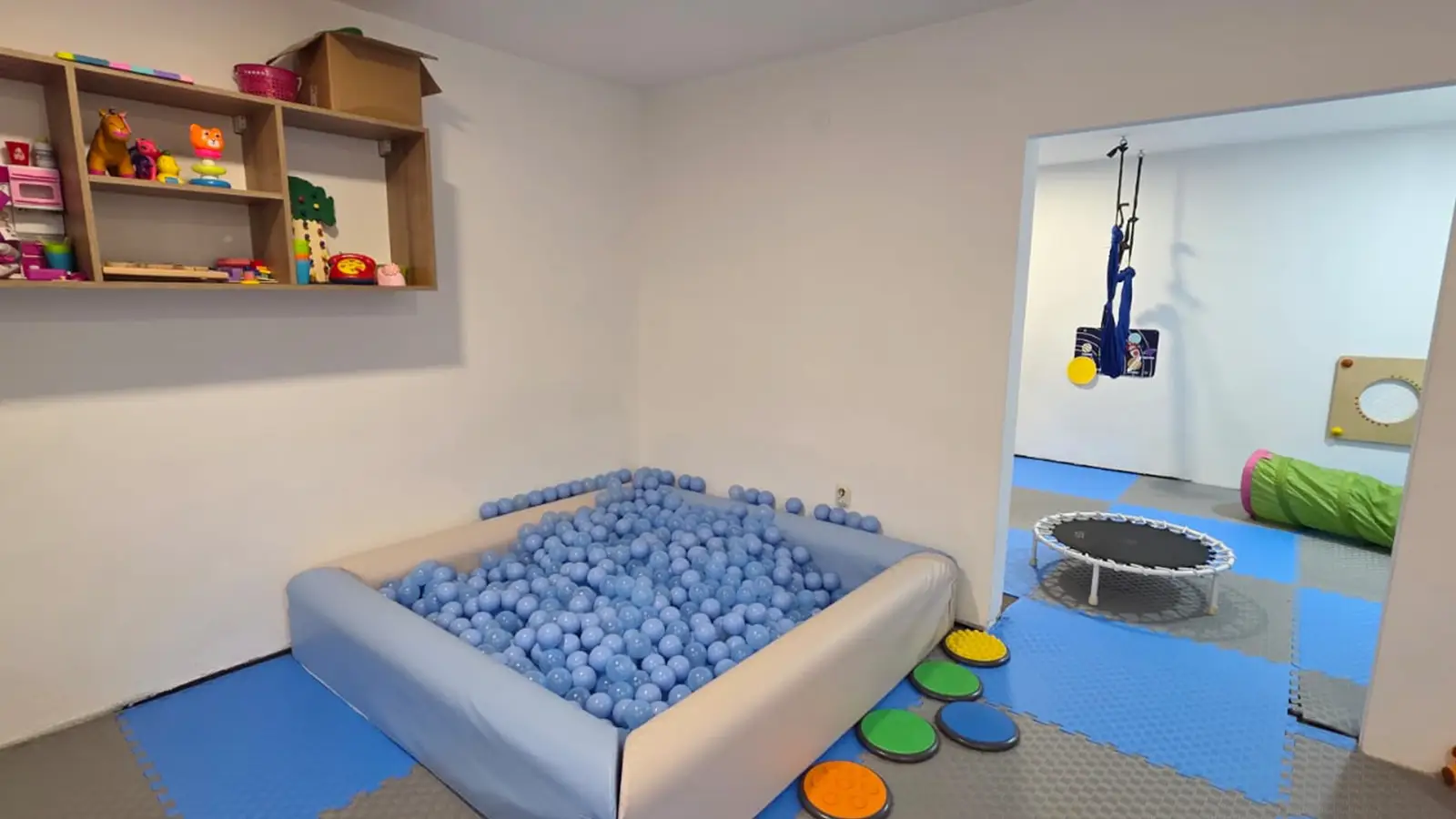
For the Foundation, the partnership with the MAK Association represents an important step forward. Their expertise and experience open the possibility for children to receive more comprehensive, high-quality support tailored to their needs and developmental potentials.
“I invite all our partners and donors to support the realization of this collaboration, because every investment in a child’s development — especially a child growing up in alternative care — has the power to positively shape their future. Together, we can ensure that these children receive more stable and meaningful support, as well as more opportunities for growth, progress, and a sense of belonging,” added Director Mujezinović.
In the coming period, Foundation Second and the MAK Association plan to sign a memorandum of cooperation that will define referral procedures, types of support to be provided, the timeline of activities, and mechanisms for regular evaluation. The first joint activities are expected soon, with the aim of ensuring that children receive timely and concrete benefits through enhanced professional care.
This visit marks the beginning of a partnership with the potential to significantly improve the quality of services available to children with developmental disabilities in alternative care. Second remains committed to creating a safe, professional, and empathetic environment in which every child has the right to progress, support, and a dignified life.