


Before Miki, Mrvica and the other cats arrived at the Small Family Home in Ledići, one very special resident was already living there. The girls from the Home for Children Without Parental Care Sarajevo gave her the name Pufnica.
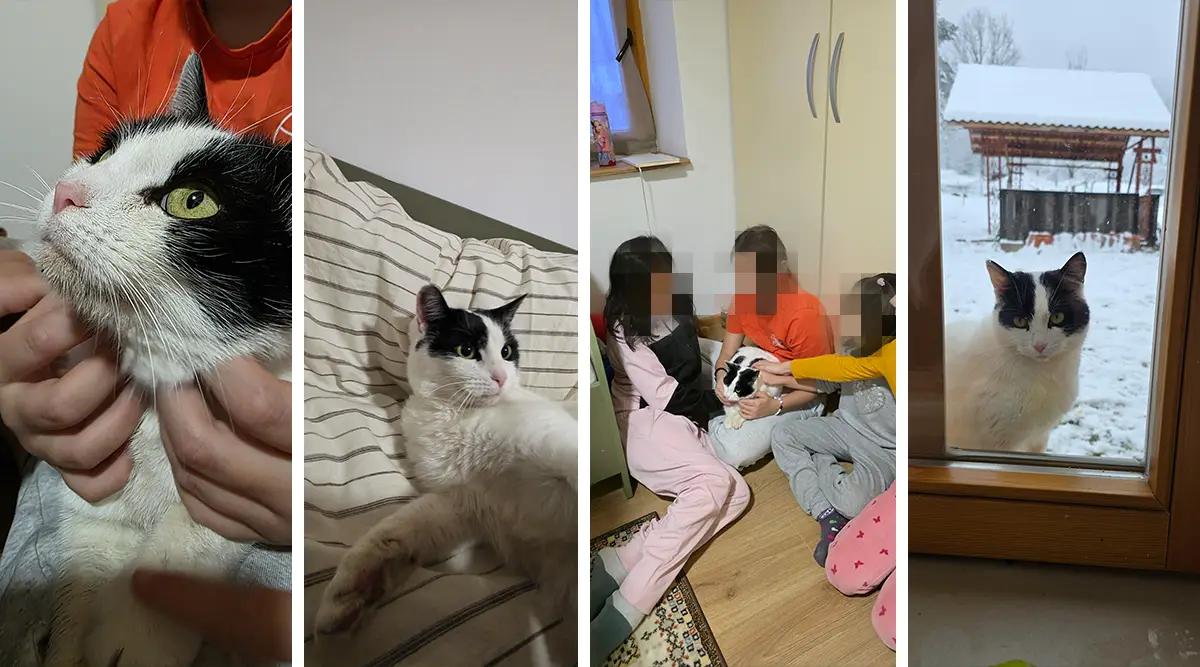
For almost three years, she was always the first to welcome children as they arrived at the Small Family Home in Ledići. Every new group quickly came to know this gentle village cat, who followed them around the yard, sat beside them while they rested and patiently accepted every cuddle.
During cold winter evenings, the children would invite her inside so she would not have to stay out in the cold. She often slept in their rooms, curled up on a bed or blanket, her gentle purring bringing warmth, comfort and a sense of security.
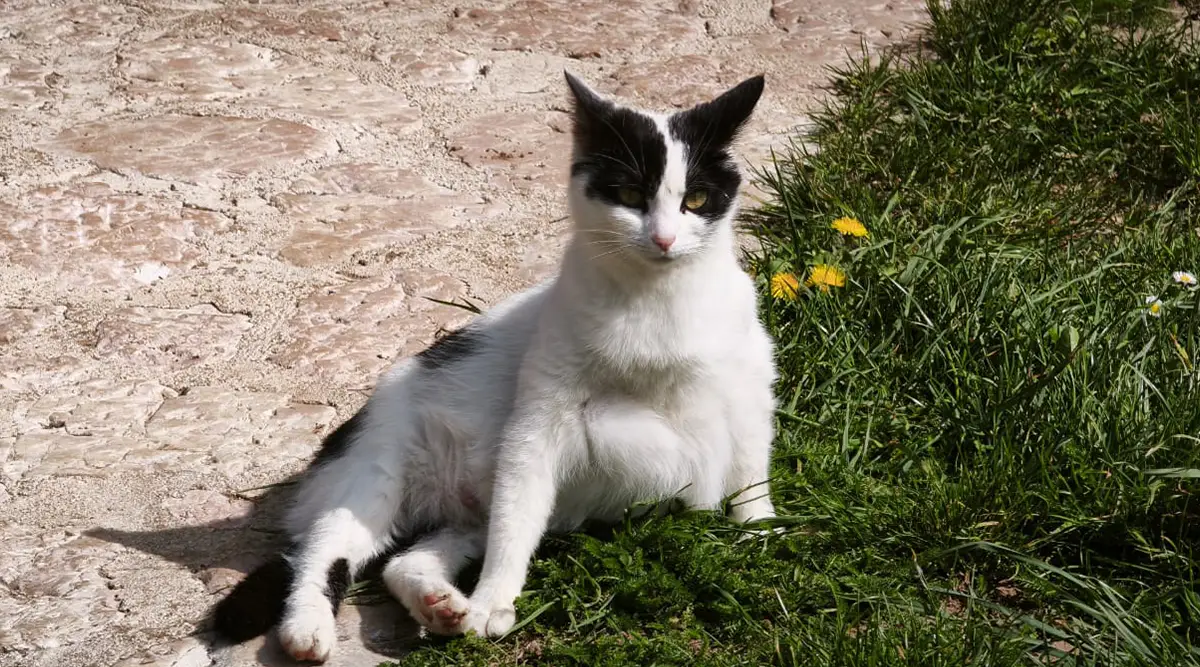
That is why the news that she had become a mother this spring brought great joy to the children who visit the Small Family Home.
Little did we know that one of the greatest battles for survival we had ever faced was about to begin.
A Mother Who Adopted Orphaned Kittens
For years, Foundation Second has cared for the cats living around the Small Family Home in Ledići. We feed them regularly, monitor their health and provide veterinary care whenever needed.
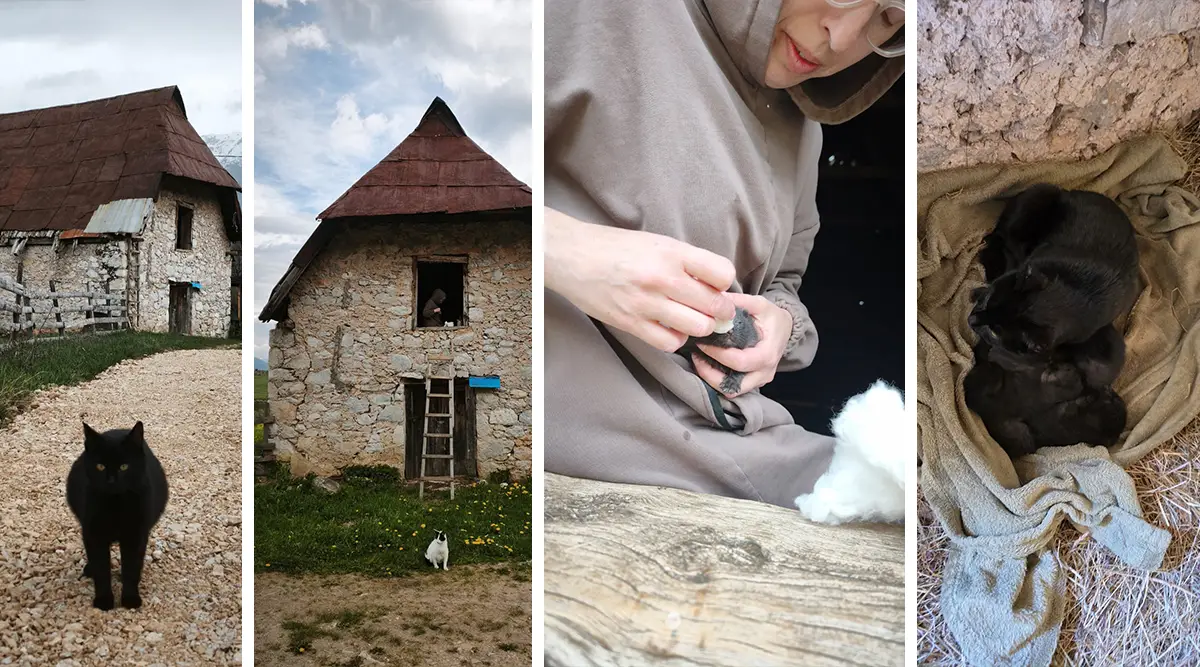
At the same time that Pufnica had her first litter, we were also caring for a black mother cat who lived nearby with her six kittens.
Foundation Second Director Belma Mujezinović visited them every day. During their first weeks of life, the kittens suffered from eye infections, so she cleaned their eyes daily and monitored their recovery. After a few days, however, their mother moved them to another old hay barn where it was no longer possible to reach them or continue their daily care.
Shortly afterwards, the black mother cat became seriously ill and disappeared.
She never returned.
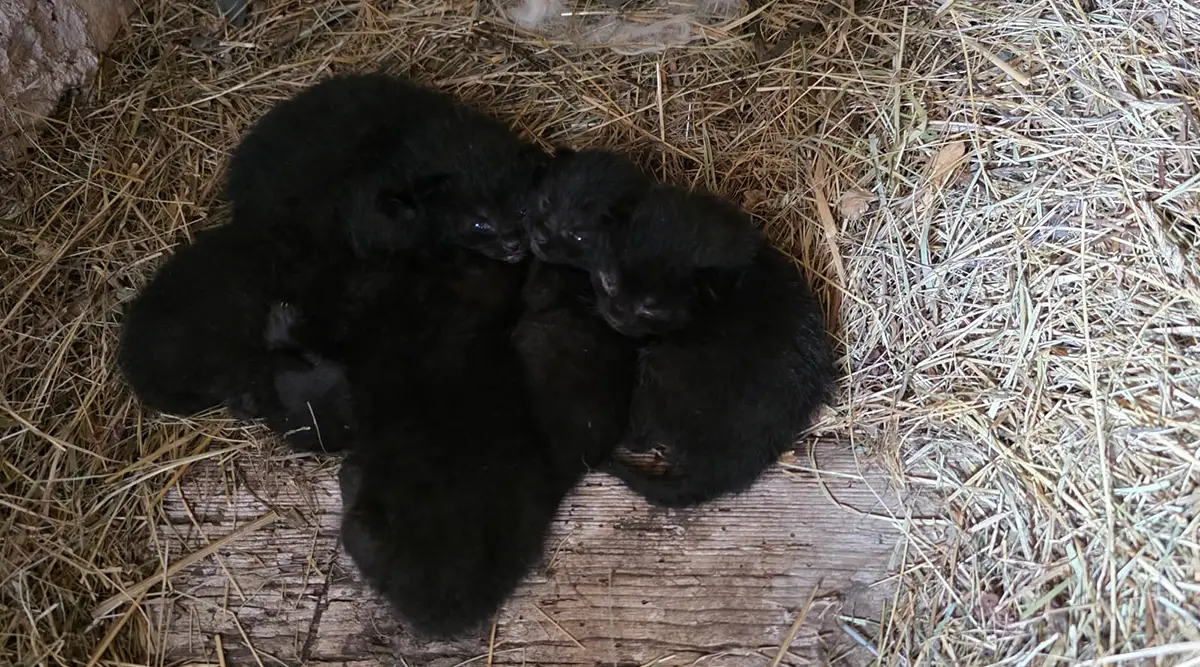
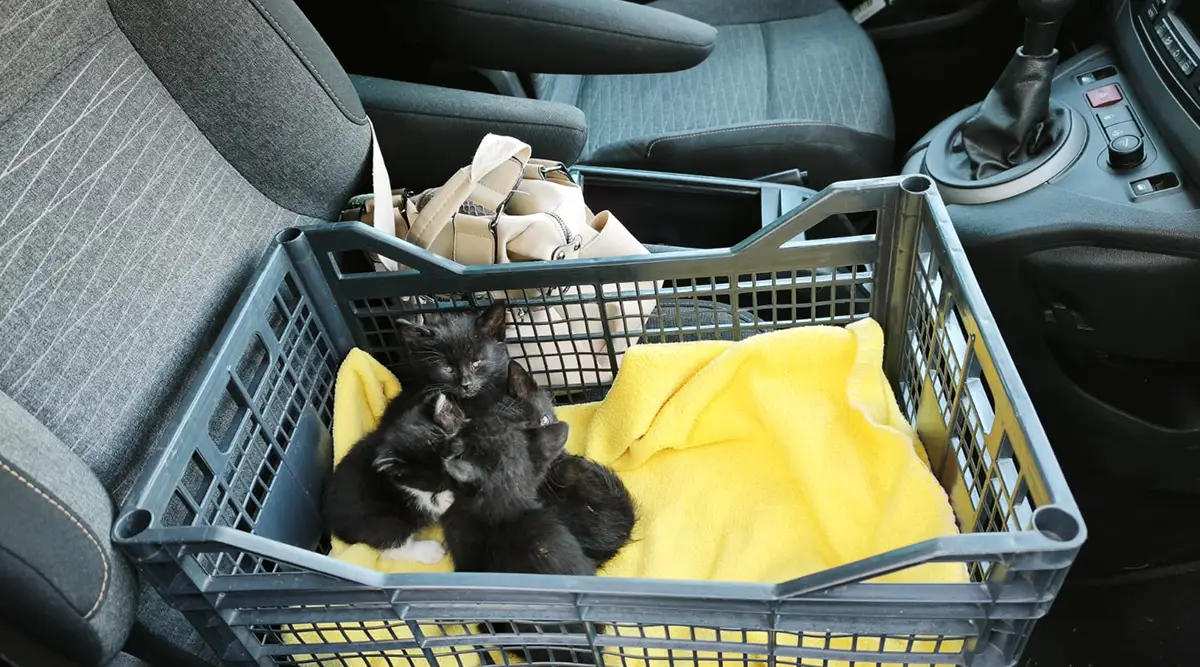
The very next day we heard desperate meowing coming from the old barn. We immediately began searching and found five of her kittens hidden in the place where she had left them before disappearing.
Sadly, we were unable to save the sixth kitten. It had already died before we reached it.
Nearby, we also found one of Pufnica's kittens that had become separated from its mother, so we brought it together with the five orphaned kittens to Pufnica.
At first, things did not go as we had hoped.
She hissed at the unfamiliar kittens, cautiously circled around them and repeatedly returned to her own baby. We did not know whether she would accept them.
But as the day went on, something changed.
She began sniffing them.
Then she started licking them.
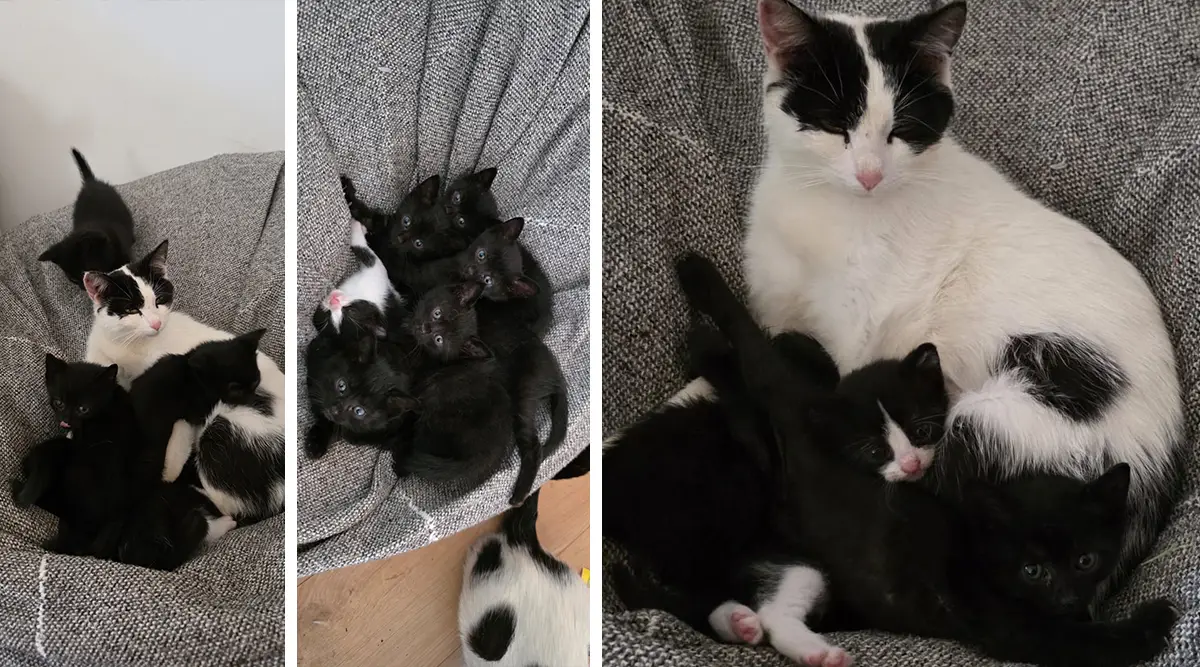
By the end of the day, she lay down beside them and began nursing all six kittens—her own baby and five orphaned kittens.
It was a sight we will never forget.
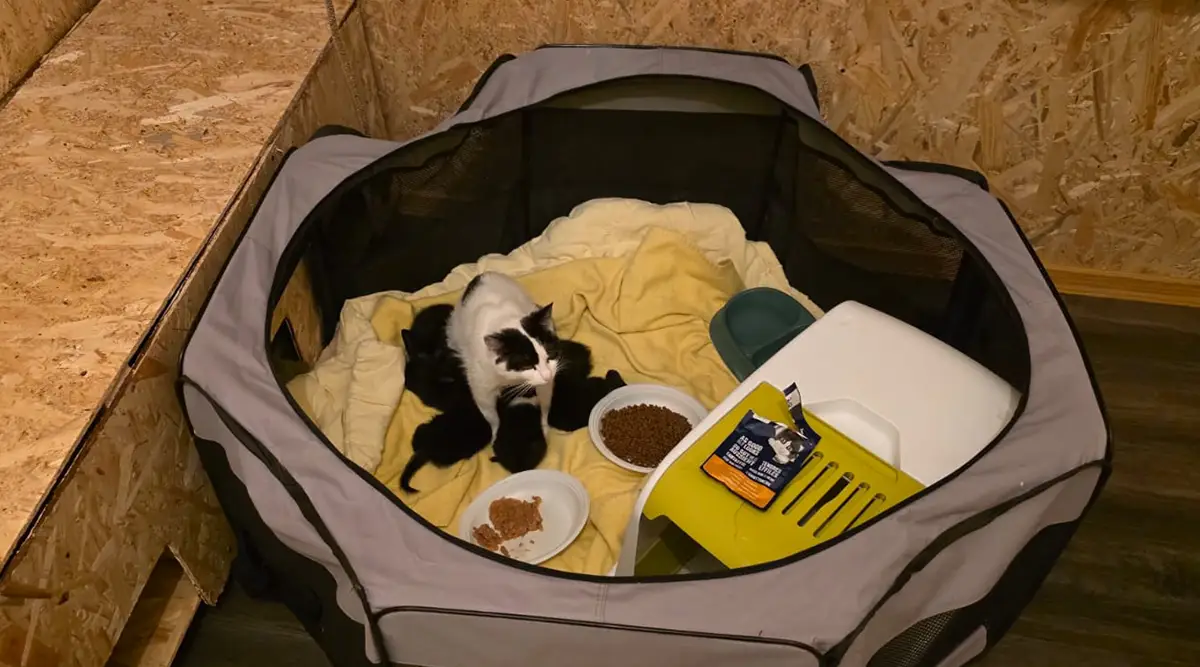
We moved Pufnica and all six kittens into the Mini Cat Barn—a former village barn that we renovated, insulated and transformed into a safe shelter for rescued cats in front of the Small Family Home in Ledići. There they had warmth, peace and protection, while we were able to monitor them every day and care for their recovery.
The Disease That Changed Everything
Unfortunately, the happiness did not last long.
A few days later, the black kittens began to fall ill.
It soon became clear that the reason their mother had disappeared was feline panleukopenia (feline distemper)—one of the deadliest viral diseases affecting cats. It is a highly contagious infection that attacks the immune system and digestive tract. It is especially dangerous for kittens and, without prompt treatment, is often fatal.
Sadly, the virus had already spread to her kittens.
Despite treatment and every effort we made, we lost the orphaned kittens one by one.
In the end, only one survived—a tiny black kitten.
Soon afterwards, Pufnica also became seriously ill. We rushed her to the veterinarian because we suspected that she, too, had become infected while nursing and caring for the orphaned kittens.
To give her the best possible chance of recovery and reduce the risk to the kittens, we had to separate them from their mother.
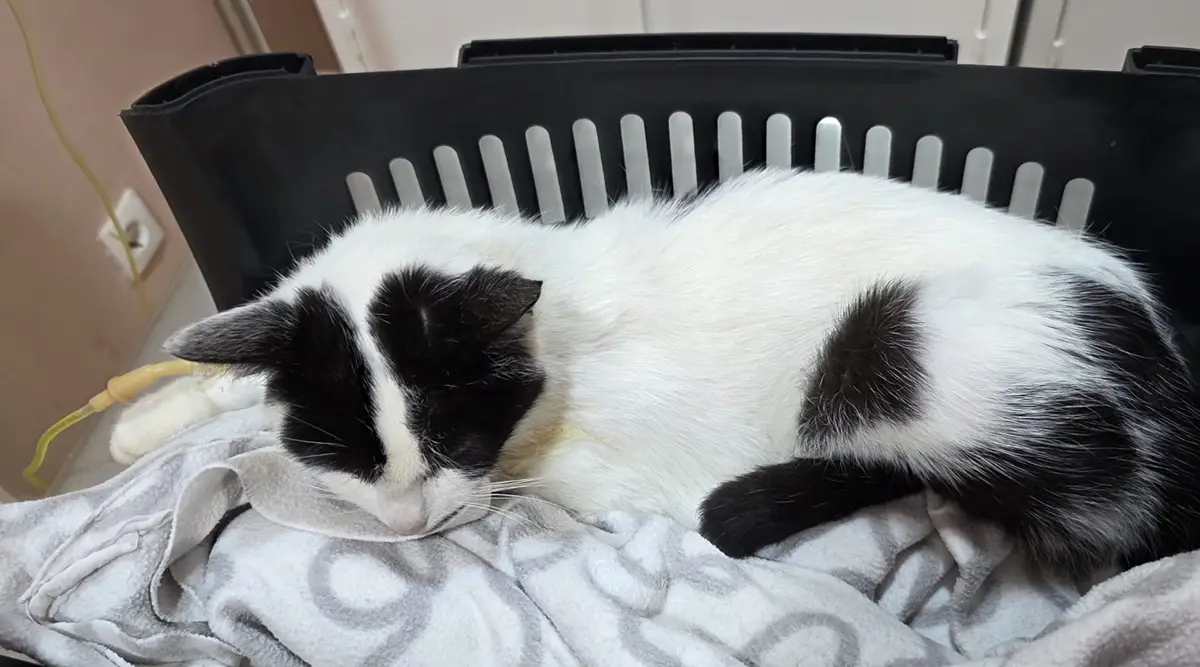
While Pufnica was fighting for her life, we continued searching around the house, afraid that she might have more hidden kittens somewhere nearby.
That was when we found her secret nest.
Inside were four more of Pufnica's kittens.
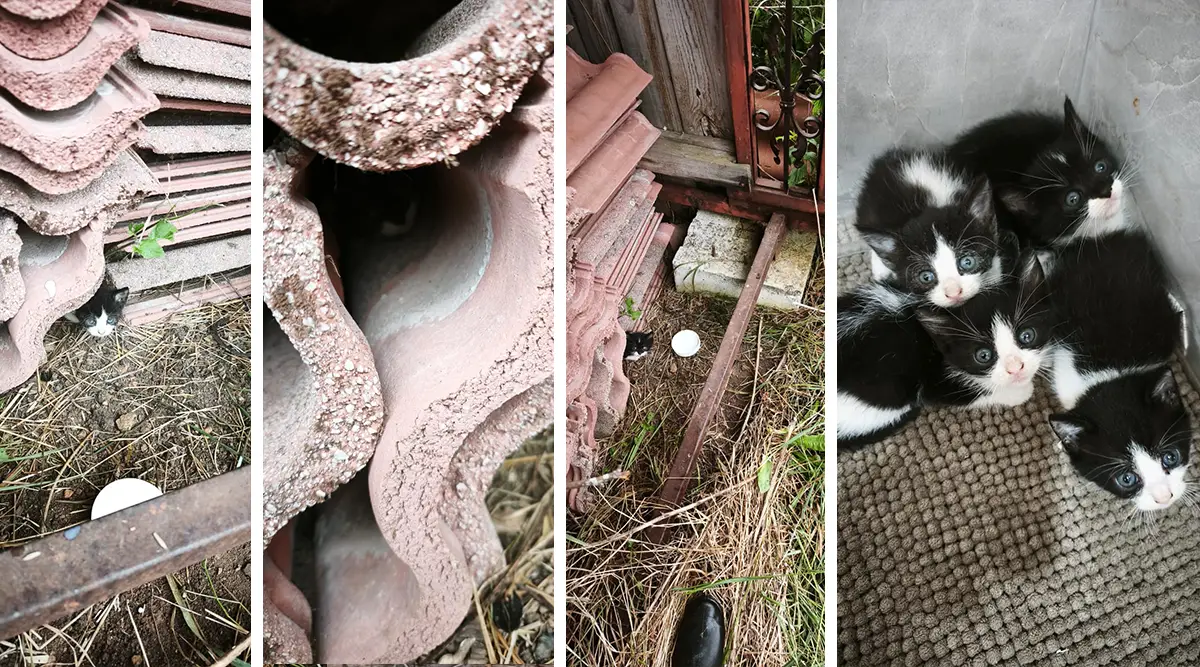
Fortunately, they were already a little over one month old and had started eating solid food, meaning they no longer depended on their mother's milk. This allowed us to focus on Pufnica's treatment while also protecting her kittens.
Sadly, the virus did not spare Pufnica's own litter.
One of her kittens also lost the battle against the disease.
Two weeks fighting for her life
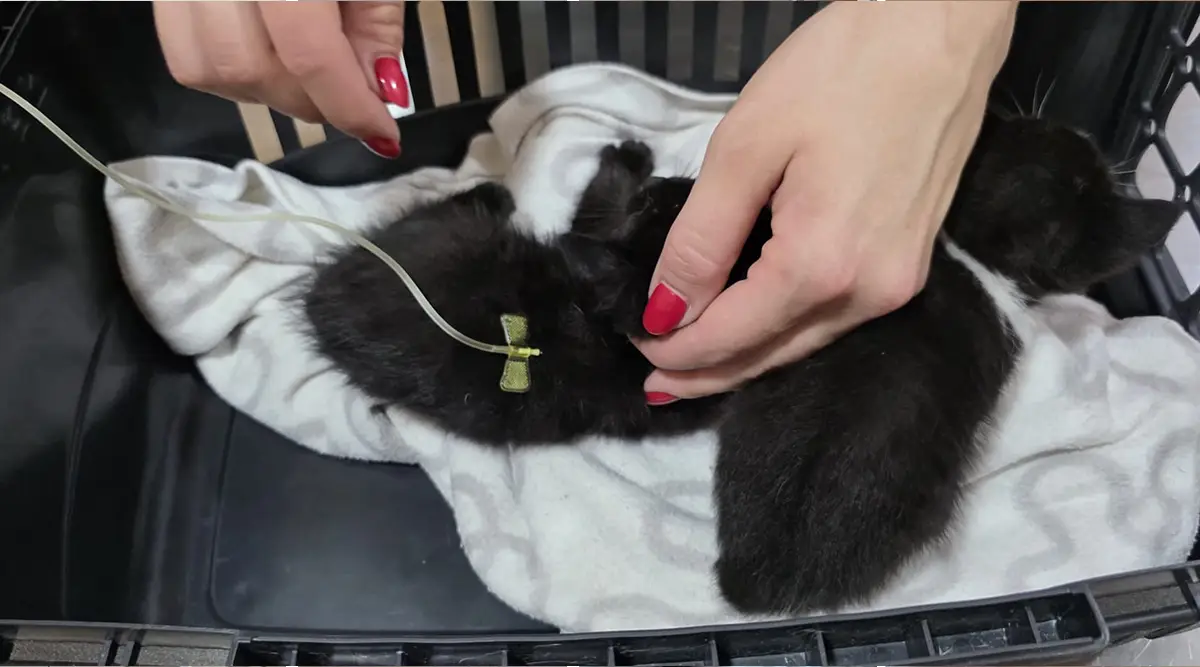
The following two weeks became a fight for every new day. Even before she fell ill, Pufnica had already been completely exhausted from nursing. She was feeding her own kitten as well as five orphaned ones, causing her to lose weight rapidly. By the time she developed feline panleukopenia, she had become alarmingly thin. Her body was at the very limit of its strength, and the intravenous fluids she received over the following fourteen days quite literally kept her alive, giving her a chance to overcome the disease.
We took Pufnica several times to Dr. Adna Ljubijankić's veterinary clinic, where she was always available to advise and support us, regardless of the time of day. Part of Pufnica's treatment also continued at City Vet, the veterinary clinic that has cared for the Foundation Director's cats for more than a decade. Every visit meant a 45-minute drive each way so she could receive treatment, be examined or have her intravenous catheter replaced.
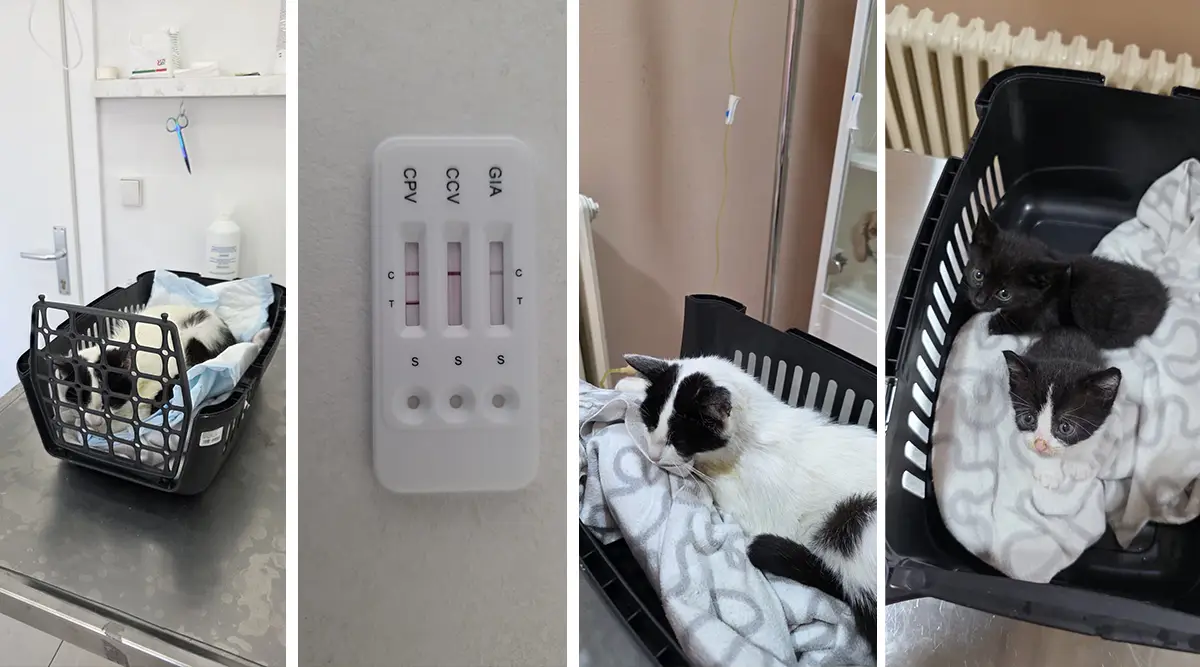
Between veterinary visits, Foundation Second Director Belma Mujezinović administered intravenous fluids—sometimes three times a day—together with injectable antibiotics and Globfel hyperimmune serum. Globfel contains ready-made antibodies against several serious feline viral diseases, including panleukopenia, helping support the cat's immune system while its own body develops a protective immune response.
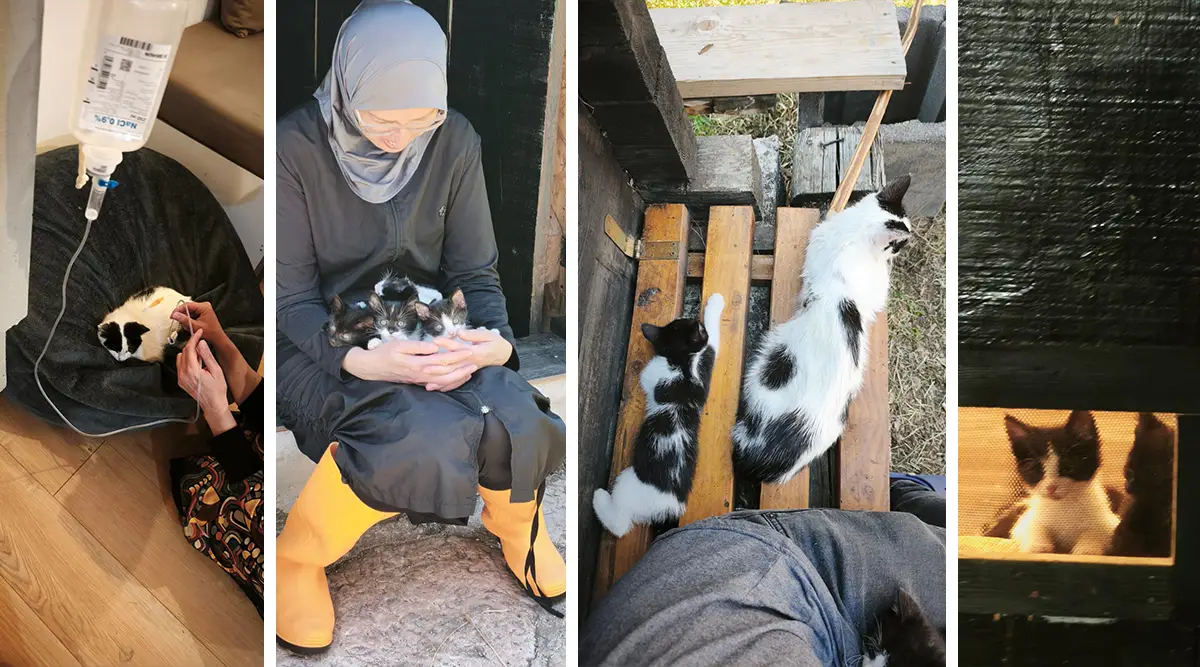
The surviving kittens also received Globfel serum to improve their chances of survival and recovery.
The battle lasted for days.
Each new day brought fresh uncertainty.
But Pufnica never gave up.
She survived.
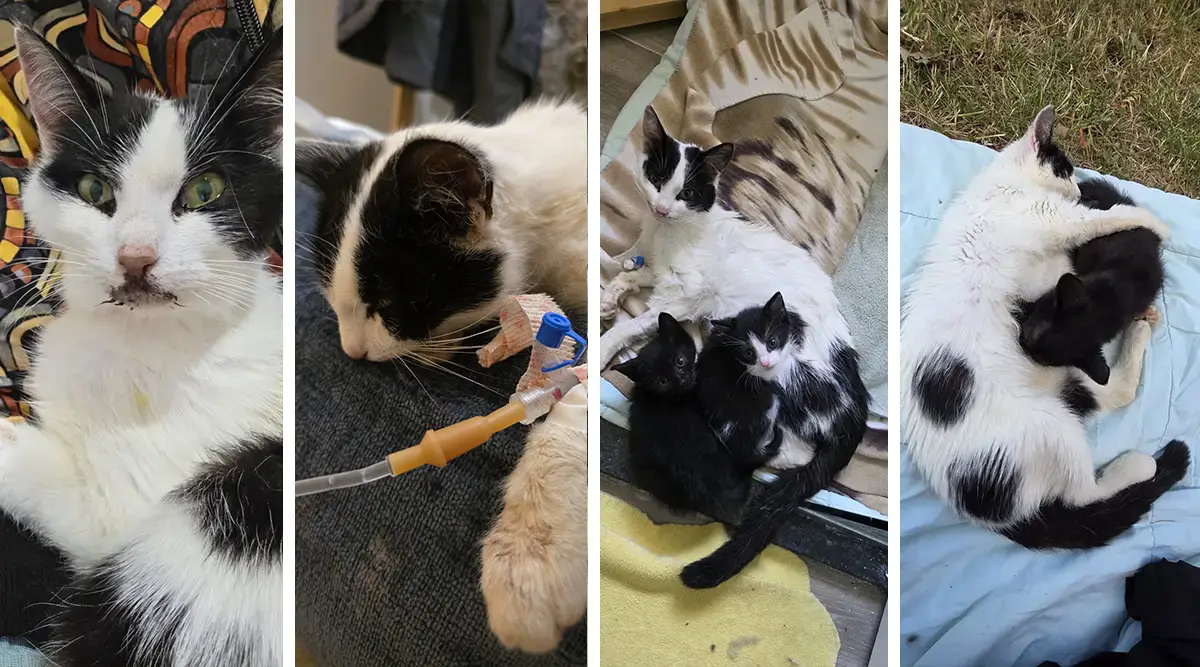
When she finally returned home, she no longer had milk, but she had not lost her motherly instinct.
Although the kittens were already eating on their own, she never left their side. She kept them warm, cleaned them, protected them and watched over their every step.
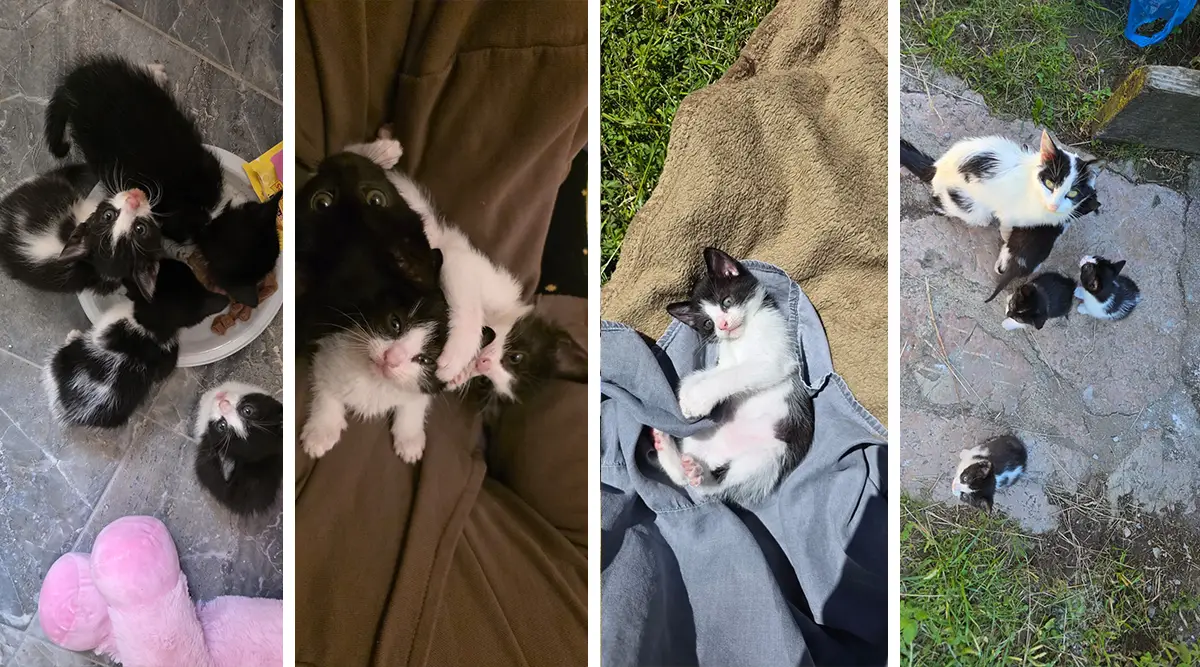
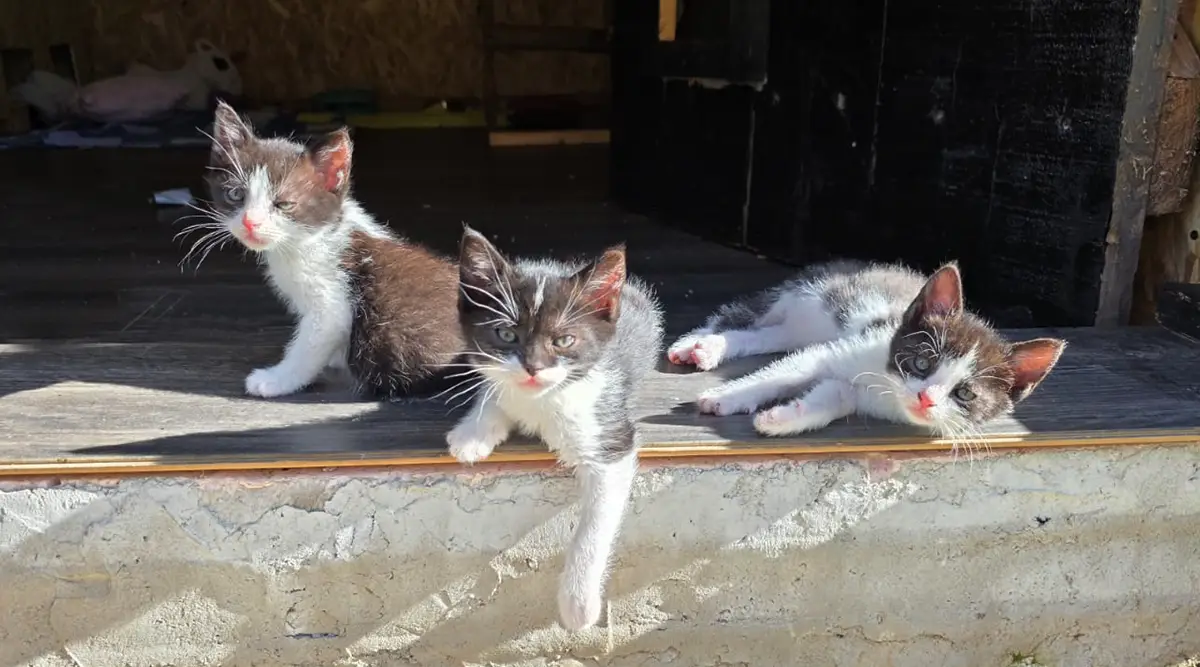
Today she is raising four of her own kittens and one adopted black orphan—the only survivor of the five kittens left without their mother.
More than pets
Today, Pufnica and her kittens are much more than cats living in the yard.
They have become an important part of everyday life for the children who visit the Small Family Home in Ledići.
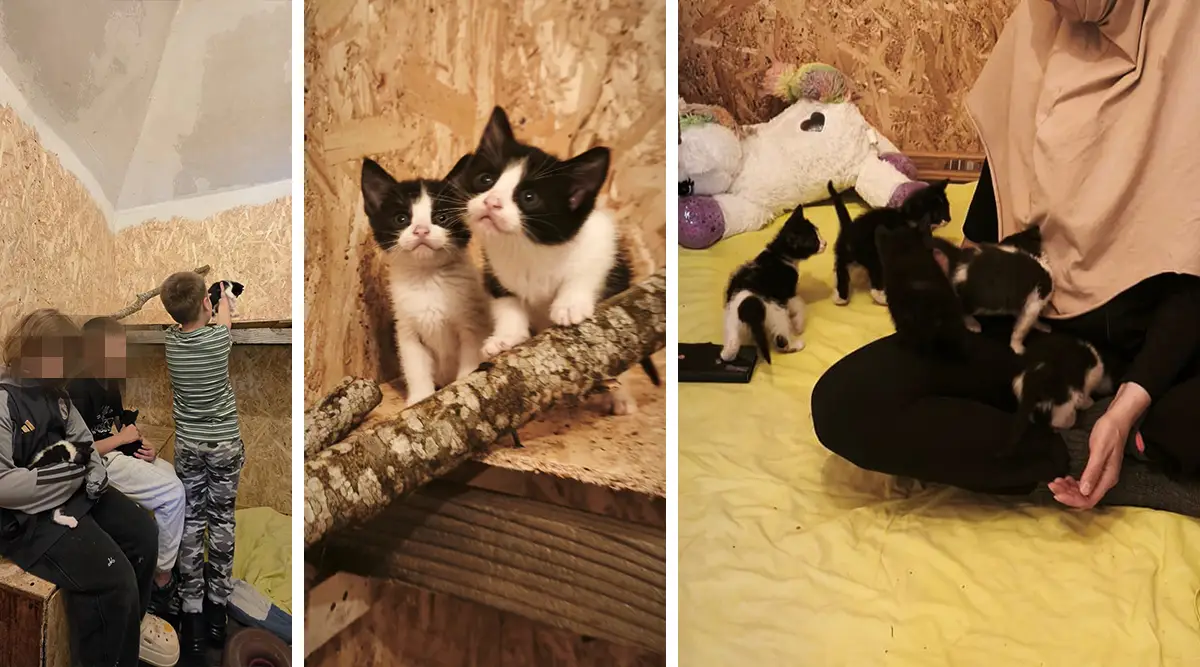
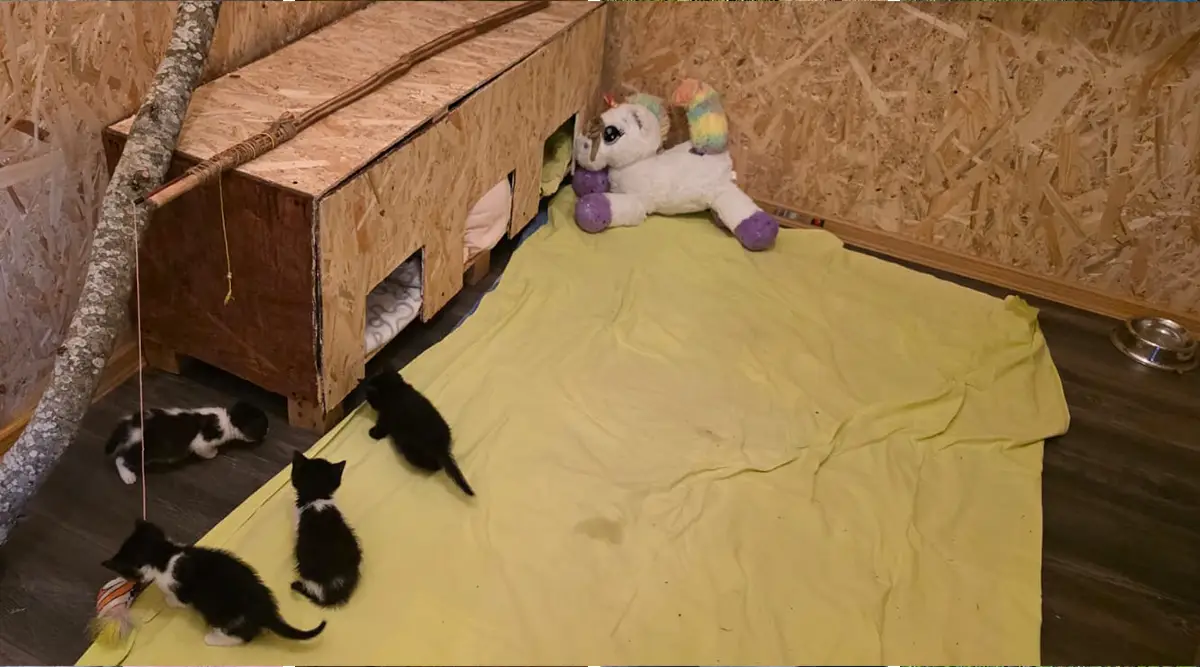
The children cuddle them, play with them, carry them in their arms and learn how to care responsibly for animals. Through these daily interactions, they develop kindness, empathy and a sense of responsibility.
They are especially moved by the story of how Pufnica accepted five kittens that had lost their mother.
Every new group of children asks us to tell the story again. They listen carefully, ask questions, want to know how Pufnica accepted the orphaned kittens, and almost always end by asking about the little black kitten—the only one that survived.
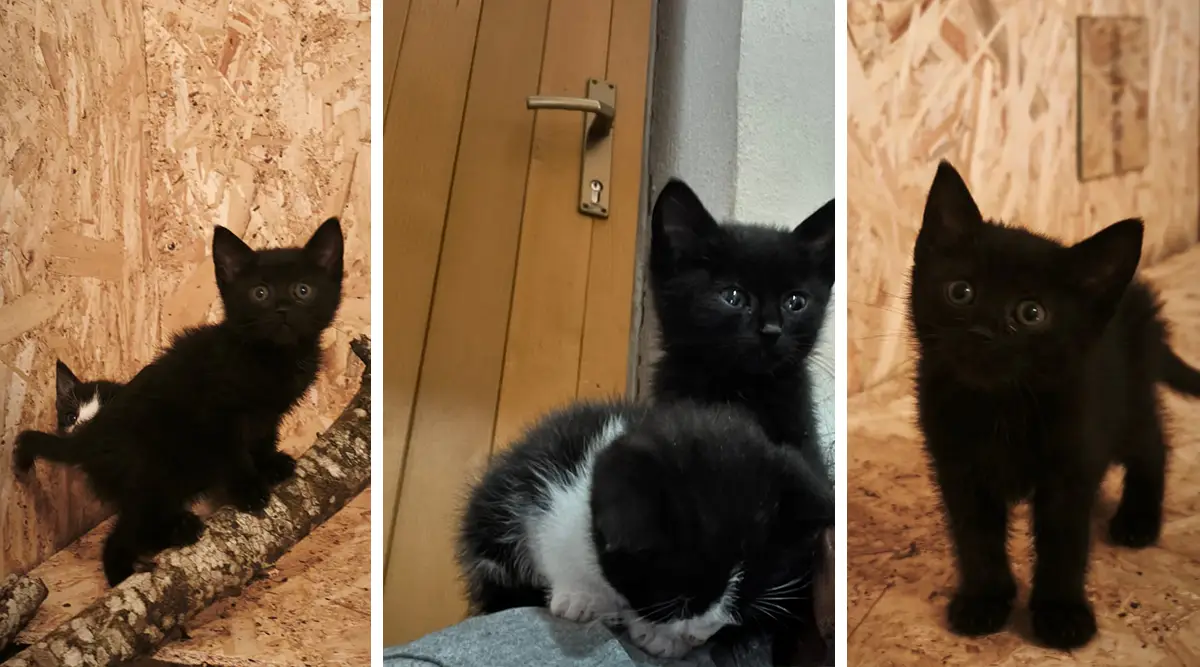
Every time, their reactions are the same—smiles when they hear that Pufnica accepted the kittens as her own, sadness for those that did not survive, and genuine joy when they see her peacefully lying beside her kittens and the one adopted orphan that survived.
In those moments, the children are learning much more than how to care for animals.
They learn that a family is not defined only by blood, but by love, care and the willingness to embrace and protect those who need us most.
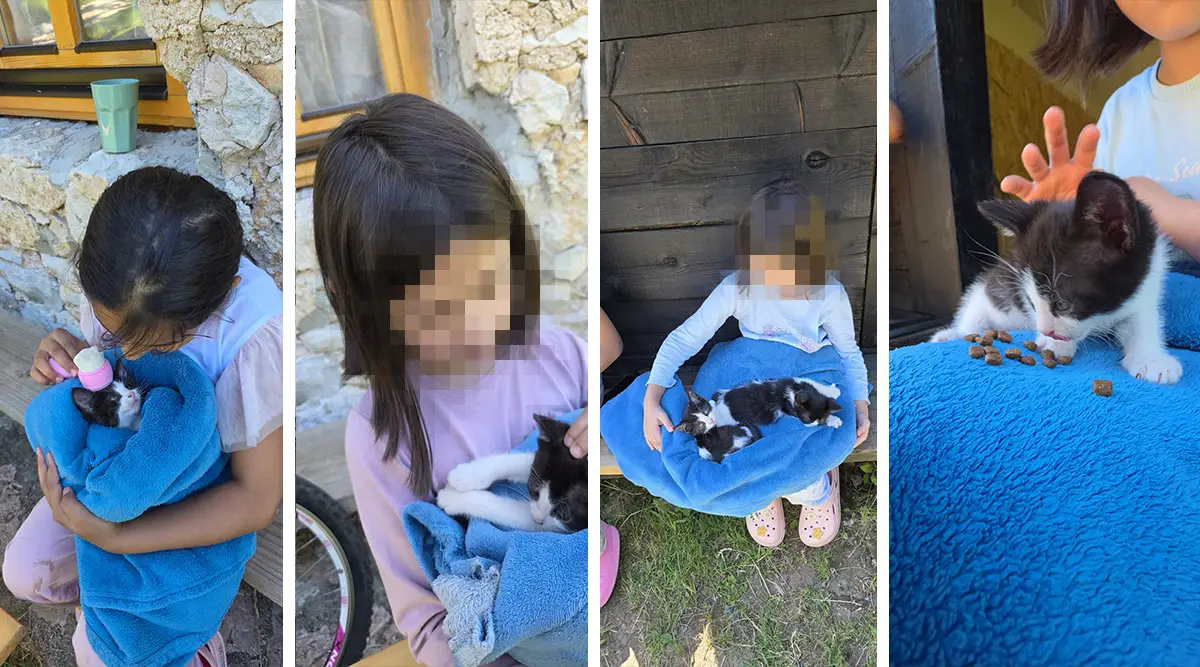
Numerous scientific studies have shown that interaction with animals reduces stress and anxiety, increases feelings of safety, strengthens social skills and emotional resilience, and has a particularly positive impact on children who have experienced trauma.
That is why Foundation Second believes that animals should be an important part of the therapeutic and rehabilitative environment in Ledići.
Not as an attraction.
But as quiet companions who help children rediscover trust, warmth and unconditional love.
Help us continue this story
Treating Pufnica and her kittens lasted for weeks and was extremely expensive.
Veterinary examinations, repeated trips to the clinic, intravenous fluids, antibiotics, Globfel hyperimmune serum and special food represented a significant financial burden that Foundation Second willingly accepted in order to save their lives.
After recovering, Pufnica was finally able to be spayed.
Our next goal is to spay and neuter the other stray cats that continue to come to Ledići, helping to prevent unwanted litters, reduce the suffering of abandoned animals and ensure a healthy and safe environment for the children who spend time here.
We invite everyone who would like to support this mission to help us with donations for spay and neuter procedures, veterinary care and quality food for the kittens by making a donation to Foundation Second and indicating "For Cats" as the payment purpose.
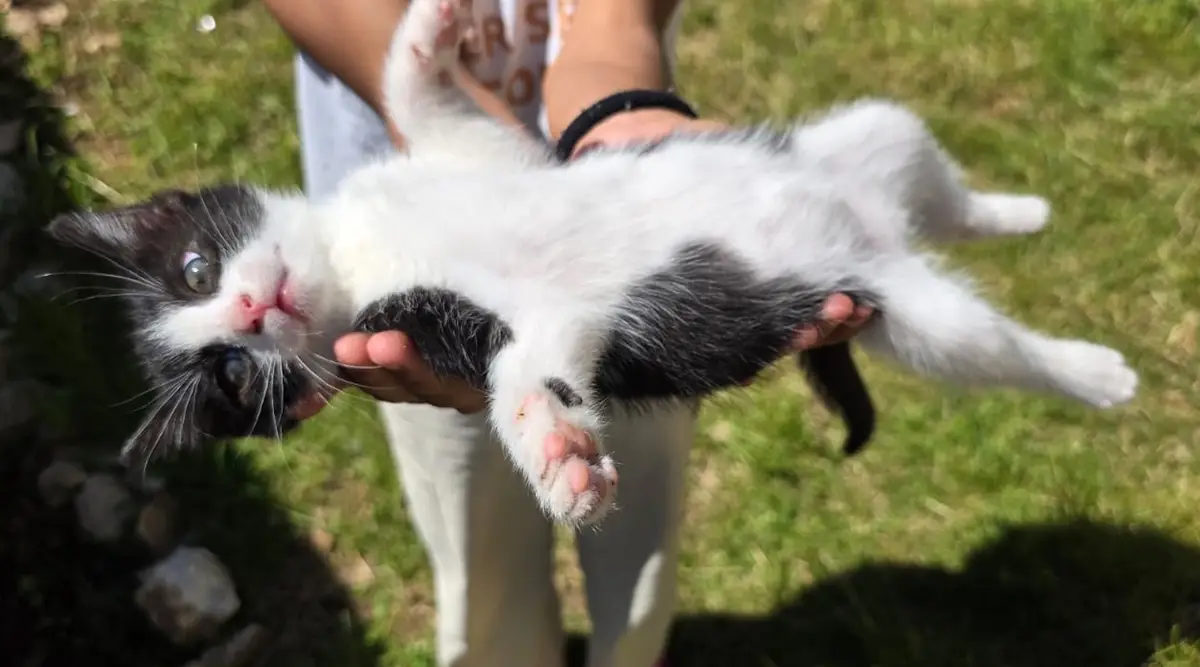
The photographs we are sharing tell the story of this entire journey—from rescue, illness and the fight for survival to the day when Pufnica once again lies peacefully beside the children while five healthy kittens play around them.
This is not just the story of one village cat.
It is a story of how love, compassion and responsible care for animals can become part of the healing journey of children growing up without parental care.
Sometimes, a gentle purr can say what words never could.