


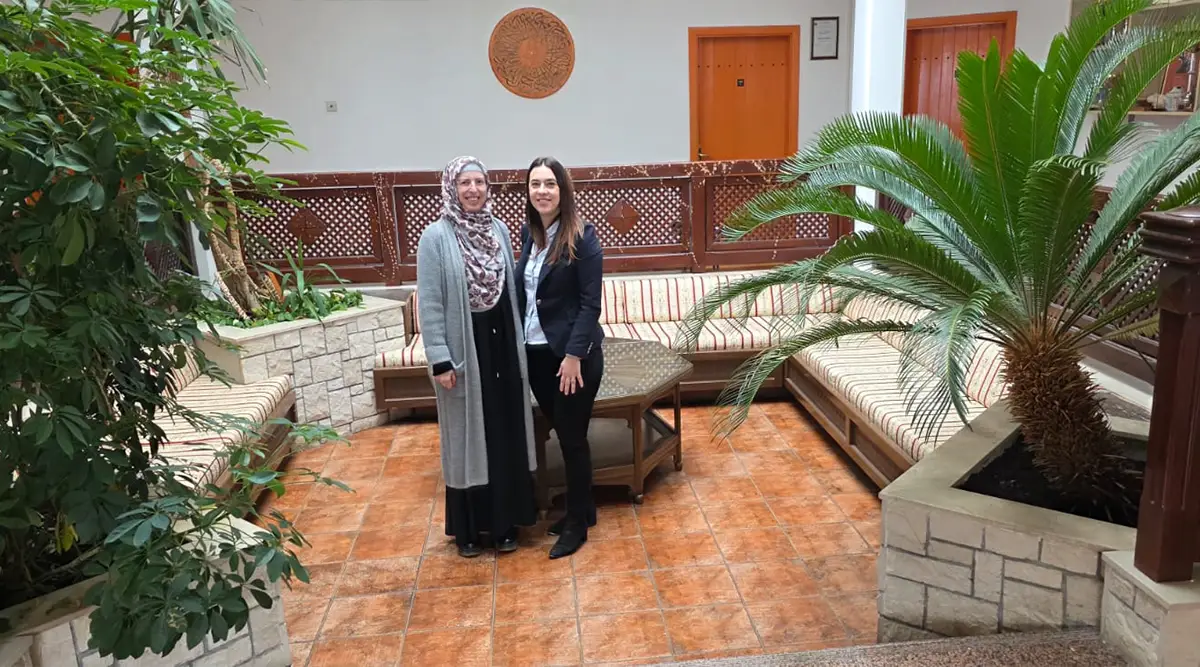
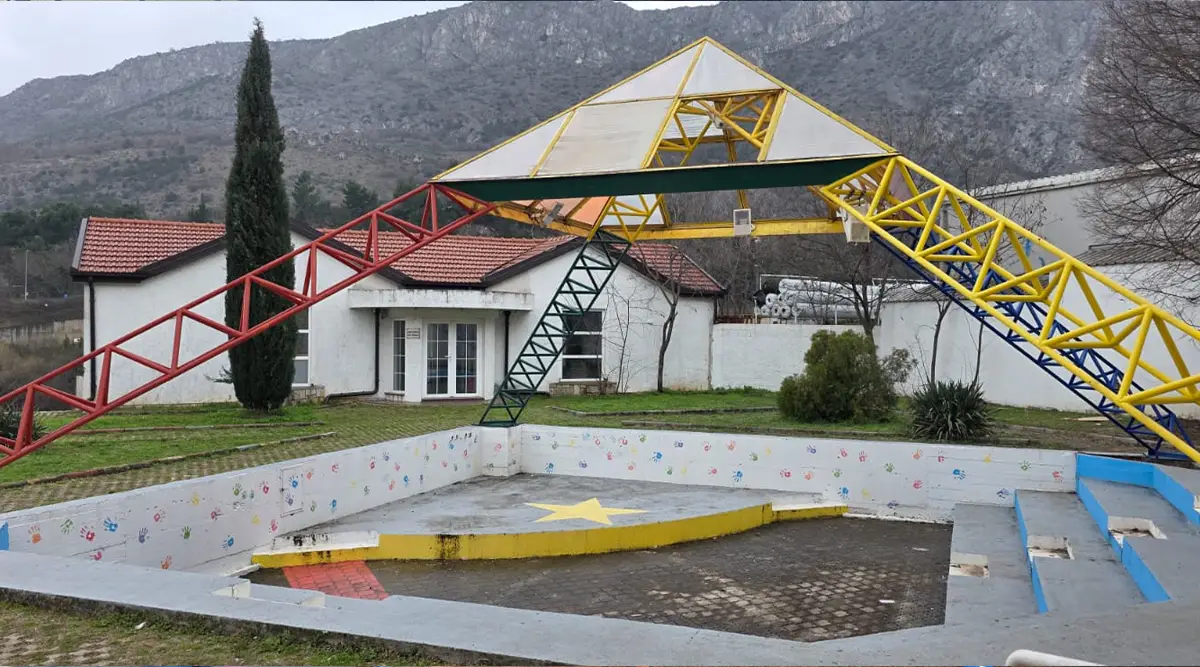
Earlier this week, Foundation Second Director Belma Mujezinović visited the Children’s Home in Mostar, an institution that has served as a home and refuge for children without parental care for more than two and a half decades. Located within a complex known among citizens as the Egyptian Children’s Village, the home was built around the year 2000 thanks to a generous donation from the Egyptian Red Crescent.
The complex represents a lasting symbol of international solidarity. An organization with a long tradition of humanitarian work recognized the need for a safe and warm space for the most vulnerable residents of Mostar, especially after the war devastation and hardships that left many families without basic living conditions.
30 children accommodated in three houses
Today, around 30 children live in this home, accommodated in three houses that resemble a family-like environment more than institutional care. This way of organizing daily life provides children with a sense of stability and togetherness, which are essential foundations for their growth and development at a time when they need it most.
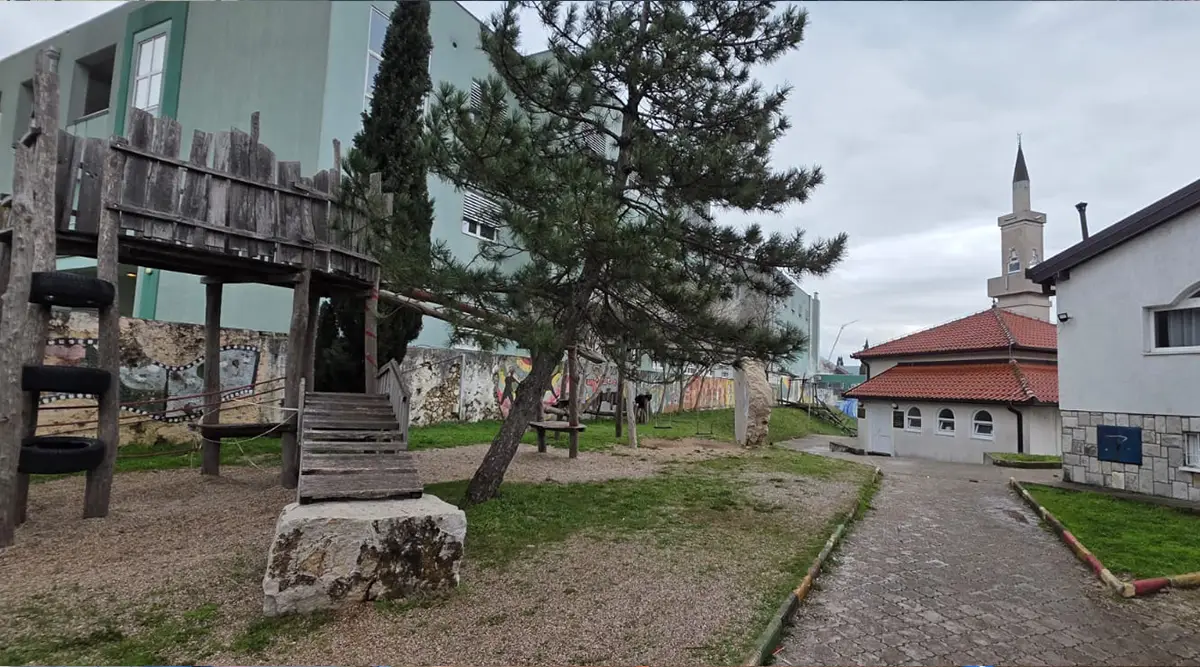
The uniqueness of this home lies not only in its history and architecture, but also in the spiritual dimension it offers – within the complex there is also a mosque, a space that provides children with peace and spiritual connection, as well as shared moments of religious heritage. Alongside everyday responsibilities and play, such spaces help young people develop a sense of belonging and spiritual stability.
Discussion on cooperation
During her visit, Mujezinović met with the Acting Director of the Home, Lejla Gosto Bevanda, to discuss opportunities for cooperation between the institution and Foundation Second. The conversation focused on a range of ideas that could improve the children’s experiences and quality of life throughout the year. Topics included Ramadan activities — shared iftars and meaningful gatherings during the month of fasting, as well as plans for annual activities such as summer and winter stays at the Small Family Home in Ledići, which Foundation Second is developing as a space for recreation, rest, and social interaction in nature.
For Director Mujezinović, this visit was much more than a formal meeting.
"Every child deserves a sense of warmth, safety, and care. The visit to Mostar was an opportunity to hear the needs of this community, to feel the spirit of the home, and to work together with colleagues from the Mostar Children’s Home to explore how we can provide additional support through cooperation — whether through Ramadan iftars, annual activities, or developmental and social programmes. We want these children to know they are not alone, and that behind every difficult situation there is room for joy and togetherness."
This meeting is a reminder that humanity is not an abstract concept, but a daily practice — that through dialogue, shared ideas, and concrete actions, bridges of support, understanding, and long-term change can be built. Humanitarian stories like this show that when people come together around values such as care, respect, and solidarity, even the greatest challenges become opportunities for growth and hope.