


At the end of last year, at a time when temperatures began to drop sharply and snow and ice gripped many households, Infobip donated funds to Foundation Second for the purchase of heating fuel for five families at risk of children being separated from their parents.
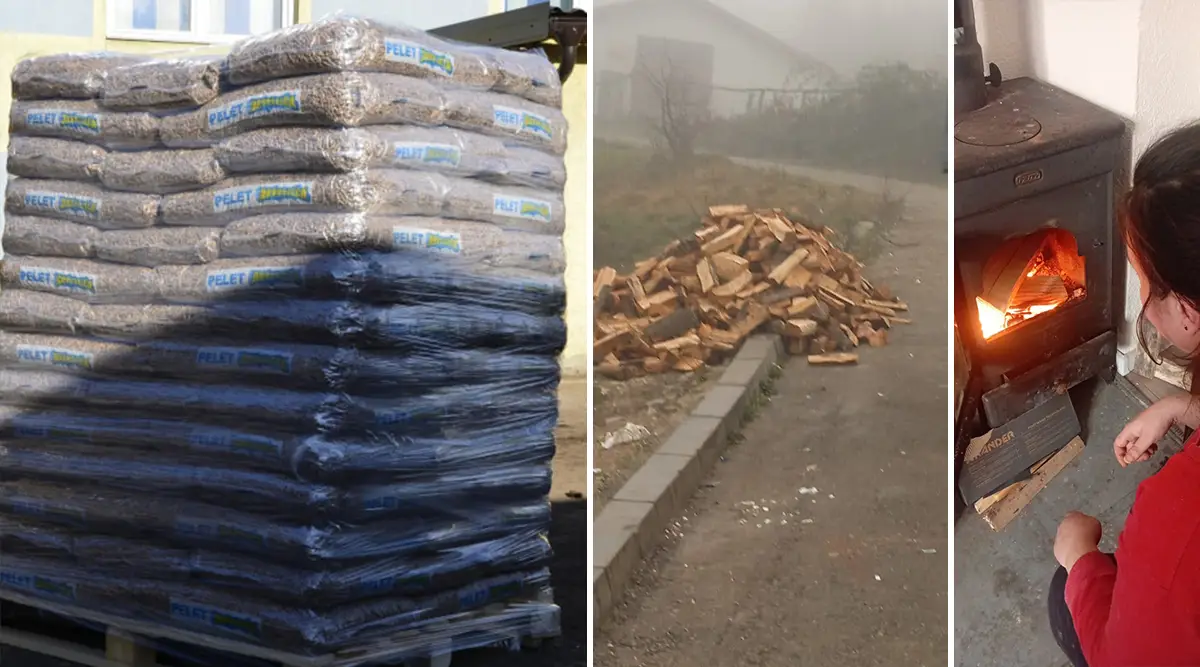
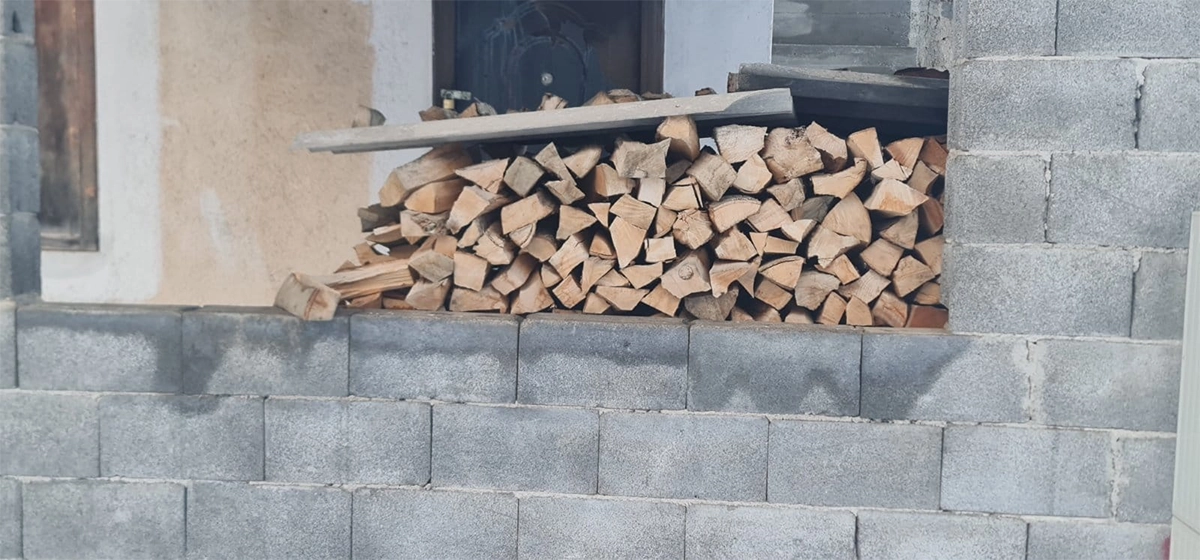
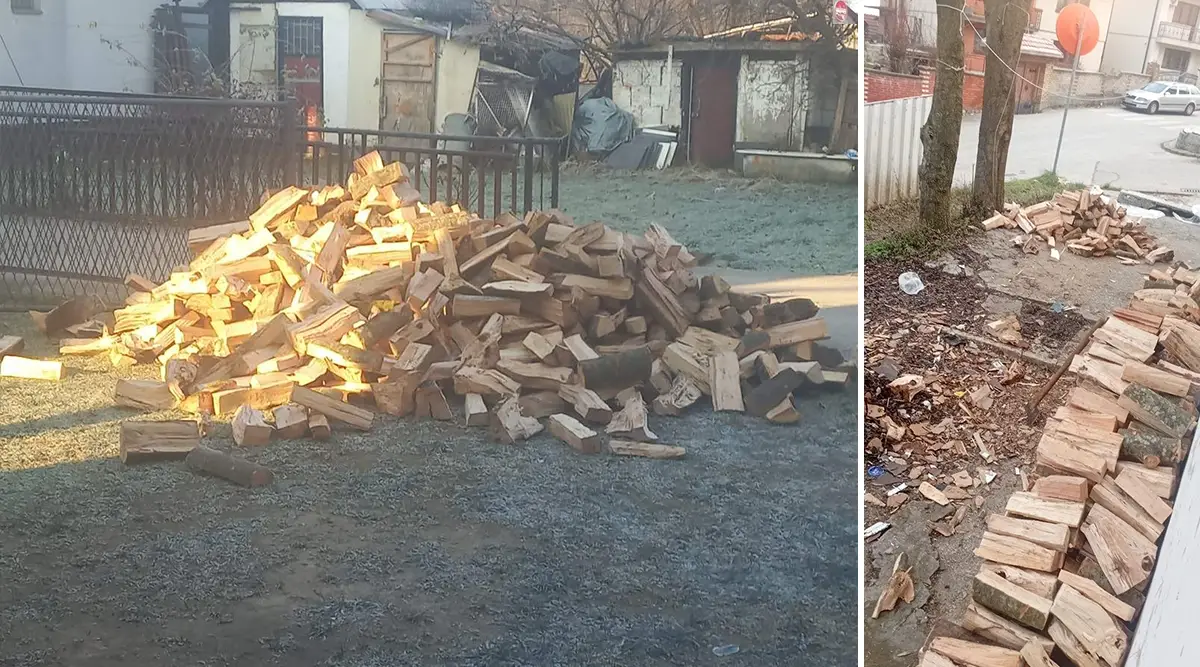
Four families received firewood, while one single mother was provided with pellets, in accordance with the heating system in her home. This support arrived precisely during a period of severe subzero temperatures, when heating costs become an insurmountable obstacle for families already struggling to provide basic living conditions for their children.
The donation was implemented in cooperation with the mobile team of the Family and Children Support Service of the Home for Children without Parental Care Sarajevo, who continuously monitor families at risk and act preventively — so that children can remain in their homes with their parents.
Amina Pohara, Head of the Family and Children Support Service, emphasizes:
"Heating in winter is not a luxury, but a basic condition of safety for children. When a family has no fuel, the risk is measured not only in cold, but also in the possibility that children may be separated from their family due to inadequate living conditions. This donation literally meant warmth, but also stability for five homes."
During periods of extreme weather conditions, heating costs are often the decisive factor that pushes families further into crisis. A timely response from donors therefore has a direct impact on preserving the family environment.
Belma Mujezinović, Director of Foundation Second, adds:
"Sometimes providing firewood or pellets is enough to prevent a much more difficult life situation. Thanks to Infobip, these five families faced the winter more safely, and the children remained where they belong — in their own homes. This is an example of how socially responsible business has a real, measurable impact on children's lives."
This support shows that care for children without parental care does not begin only when a child enters the system, but much earlier — at the moment when a family receives help to overcome its most difficult period.
Because sometimes the warmth of a home is what determines whether a family stays together.